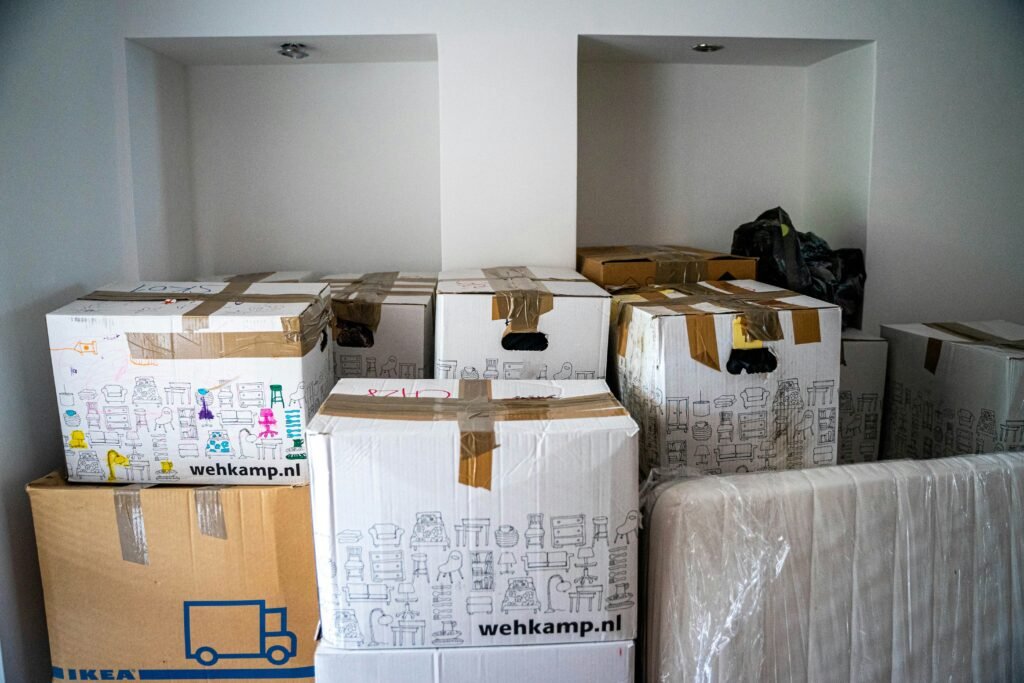
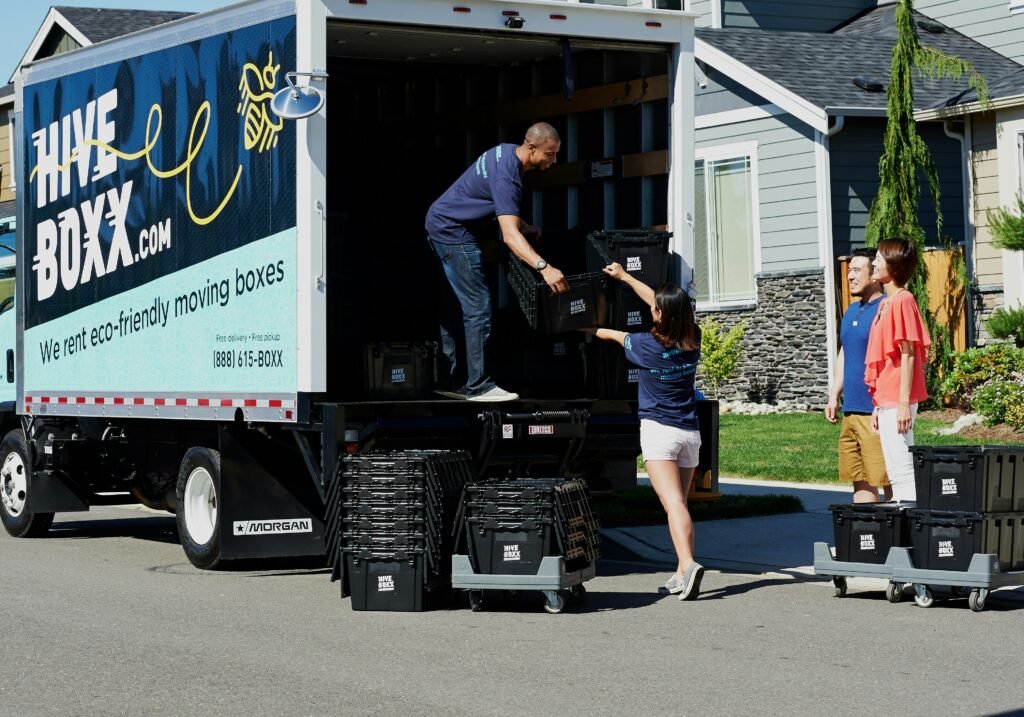
Discovering that everything will not fit in the moving truck can turn an organized move into a stressful moving-day problem. You may have furniture on the driveway, boxes inside the old home and only a few hours before you must return the keys.
Do not immediately abandon belongings or force items into an unsafe load. Stop loading, assess how much remains and determine why the available space was underestimated. Your next step may depend on whether you rented the truck yourself or hired a professional moving company.
Stop and Assess the Remaining Belongings
Before making another reservation or discarding anything, identify exactly what has not been loaded.
Separate the remaining belongings into four groups:
- Essential or irreplaceable items
- Items that can be transported separately
- Items that could temporarily go into storage
- Items you are willing to sell, donate or discard
Estimate how much additional space the belongings require. A few boxes may fit in your personal vehicle, while several pieces of furniture could require another truck or a second trip.
Photograph everything that remains. If professional movers are handling the move, the pictures can help document what was included in the original inventory and what could not be loaded.
Find Out Why the Moving Truck Is Too Small
Understanding what caused the shortage can help determine who should arrange and pay for the solution.
Common reasons include:
- The truck size was selected using an inaccurate online estimate
- The household inventory was incomplete
- Additional items were added after the quote
- Large furniture occupied more space than expected
- Boxes were larger or more numerous than estimated
- Items were loaded inefficiently
- Furniture was not disassembled as planned
- The moving company sent a smaller vehicle than promised
- Some belongings could not be safely stacked
If you hired movers, compare the belongings present with the inventory and written estimate. If you added items or failed to disclose a storage area, garage or basement, the additional transportation cost may be your responsibility.
If the inventory was accurate but the company supplied insufficient capacity, ask the company to explain the available options and proposed charges in writing.
Do Not Overload the Truck
Trying to squeeze everything into an already full moving truck can create serious safety and damage risks.
An overloaded or poorly balanced truck may:
- Be difficult to steer or stop
- Exceed its permitted weight
- Put excessive pressure on tires and suspension
- Allow boxes or furniture to shift
- Damage fragile belongings
- Make unloading hazardous
- Leave insufficient room to secure the load
A truck can run out of legal weight capacity even when some physical space remains. Conversely, bulky lightweight furniture can fill the cargo area before the weight limit is reached.
Do not place unsecured items in the aisle, against the cargo door or anywhere they could fall when the door opens.
Ask Whether the Load Can Be Reorganized
Poor use of vertical and irregular spaces may cause a truck to appear full prematurely. An experienced loader might be able to reorganize part of the shipment and recover some room.
Possible adjustments include:
- Disassembling tables, bed frames or shelving
- Placing suitable lightweight items inside empty furniture
- Filling safe gaps with soft belongings
- Loading uniform boxes more efficiently
- Positioning mattresses and flat furniture vertically
- Bundling long tools and narrow objects
- Removing unnecessary packing materials
However, unloading and repacking a significant portion of the truck can add labor time and cost. It may also increase the chance of damage if done hurriedly. Repacking is worthwhile only when the remaining volume is relatively small and the load can still be secured safely.
Contact the Moving Company Before Authorizing Changes
If you hired professional movers, contact the company’s office or move coordinator before agreeing to another truck, extra labor or a second trip.
Ask:
- Was every remaining item included in the original inventory?
- What truck capacity was promised?
- Can another vehicle be provided?
- Will the remaining belongings travel with the original shipment?
- Will there be an additional pickup or delivery charge?
- Who will be responsible for temporary storage?
- Will the delivery date change?
- Does the estimate need to be revised?
- Can the proposed solution be provided in writing?
Avoid relying only on a verbal agreement made beside the truck. Request written confirmation of new services, charges and delivery arrangements before authorizing the change.
If the cost is based on shipment size or weight, review TCM’s guide to understanding moving estimates before accepting a revised price.
Arrange a Second Trip for a Local Move
A second trip may be the simplest solution when the move is local. Ask whether the same crew can return after unloading the first load.
Before agreeing, confirm:
- The hourly rate for the additional time
- Travel or mileage charges
- Whether another minimum labor period applies
- How the extra trip affects building reservations
- Whether the crew can finish before access ends
- Whether the remaining items will stay secure
A second trip may be impractical for a long-distance move because of fuel, labor, scheduling and delivery considerations. In that situation, a smaller rental vehicle, freight shipment or temporary storage may be more realistic.
Use Another Vehicle or Shipping Service
When only a limited number of boxes remain, compare the cost of several alternatives:
- Loading appropriate items into your personal vehicle
- Renting a cargo van or small truck
- Shipping well-packed boxes separately
- Hiring a local delivery service
- Asking a trusted person with a suitable vehicle for help
- Placing the belongings in short-term storage
Consider the type of belongings before choosing. Fragile objects, temperature-sensitive possessions and valuable documents may not be suitable for unattended storage or ordinary parcel shipping.
Keep identification, medication, financial documents, keys, electronics and irreplaceable valuables with you whenever possible.
Use Temporary Storage When You Must Vacate Immediately
Temporary storage can provide breathing room when the property must be empty but the remaining belongings cannot travel that day.
Look for a storage option that can be accessed within your deadline. Confirm:
- Unit dimensions
- Access hours
- Minimum rental period
- Security arrangements
- Climate conditions
- Insurance requirements
- Transportation to and from the unit
- Whether large furniture will fit through the entrance
Create a written and photographic inventory before storing anything. Label every box clearly so you do not have to open the entire unit to locate an essential item later.
Decide Which Items Should Receive Priority
If capacity is extremely limited, load belongings according to their importance and replacement difficulty—not simply according to which items are closest to the truck.
Give priority to:
- Sentimental and irreplaceable possessions
- Expensive items that are difficult to replace
- Specialized equipment
- Essential furniture
- Items required immediately after arrival
- Belongings that would be costly to ship separately
Less important furniture, inexpensive household goods and items already marked for decluttering may be candidates for donation, sale or responsible disposal.
Do not make rushed decisions about sentimental belongings merely to save a small amount of space.
Avoid Leaving Belongings at the Property Without Permission
Leaving boxes or furniture behind can create problems with a landlord, buyer or incoming resident. You could lose access to the property or be charged for removal and cleaning.
If the belongings must remain temporarily, obtain written permission that confirms:
- Which items will remain
- Where they will be kept
- When they will be collected
- Who can enter the property
- Who is responsible for damage or removal
- Whether any fee applies
Do not assume that leaving the items in a garage, hallway or curbside area is acceptable.
Document Additional Costs and Decisions
Keep records of every expense caused by the space shortage, including:
- Additional labor
- Another vehicle
- Fuel and mileage
- Temporary storage
- Separate shipping
- Hotel stays
- Missed building reservations
- Disposal or donation services
Save the original inventory, estimate, contract, photographs, receipts and written communications. These records may help if you later dispute a charge or believe the moving company failed to provide the agreed capacity.
If you have not yet selected a mover, use TCM’s guide on how to choose a reliable moving company before signing an agreement.
How to Prevent This Problem Before Moving Day
Prevention begins with a complete inventory. Walk through every room and include closets, cabinets, balconies, attics, basements, garages and outdoor storage areas.
Before the move:
- List every large item separately.
- Estimate the number and size of packed boxes.
- Tell the mover about unusually bulky belongings.
- Update the inventory when anything changes.
- Confirm whether furniture will be disassembled.
- Ask how the required truck capacity was calculated.
- Request an in-person or video survey when practical.
- Build a small capacity margin into a DIY rental.
- Create a backup plan for excess belongings.
- Finish packing early enough to see the shipment’s actual size.
You should also measure large furniture and property access points. TCM’s furniture access checklist can help you identify pieces that may need to be dismantled before loading.
Frequently Asked Questions
Who pays if everything does not fit in the moving truck?
Responsibility depends on the agreement and why the shortage occurred. You may face additional costs if you added undisclosed belongings or provided an incomplete inventory. If the moving company received an accurate inventory but supplied insufficient capacity, ask the company to explain its proposed solution and charges in writing.
Can movers leave some belongings behind?
Movers may be unable to load items that exceed the agreed inventory, available capacity or safety limits. They may also refuse prohibited or improperly prepared items. Confirm what will be transported before the truck departs and document anything left behind.
Should movers unload and repack the truck?
Repacking may recover space if the original loading was inefficient, but it can add time and handling risk. It should only be done when the load can remain balanced, protected and properly secured.
Can I put the remaining belongings in my car?
You can use your car for items that fit safely without obstructing visibility, interfering with controls or exceeding the vehicle’s capacity. Secure everything so it cannot shift during sudden braking.
Is renting a second truck worth it?
A second truck may be worthwhile when many essential belongings remain or the move-out deadline leaves no other practical option. For a small number of boxes, parcel shipping, a cargo van or temporary storage may cost less.
Moving Note: Truck capacity, additional charges and responsibility for excess belongings depend on the mover, rental agreement, shipment inventory and applicable transportation rules. Review your written agreement and confirm all moving-day changes and costs before authorizing them.