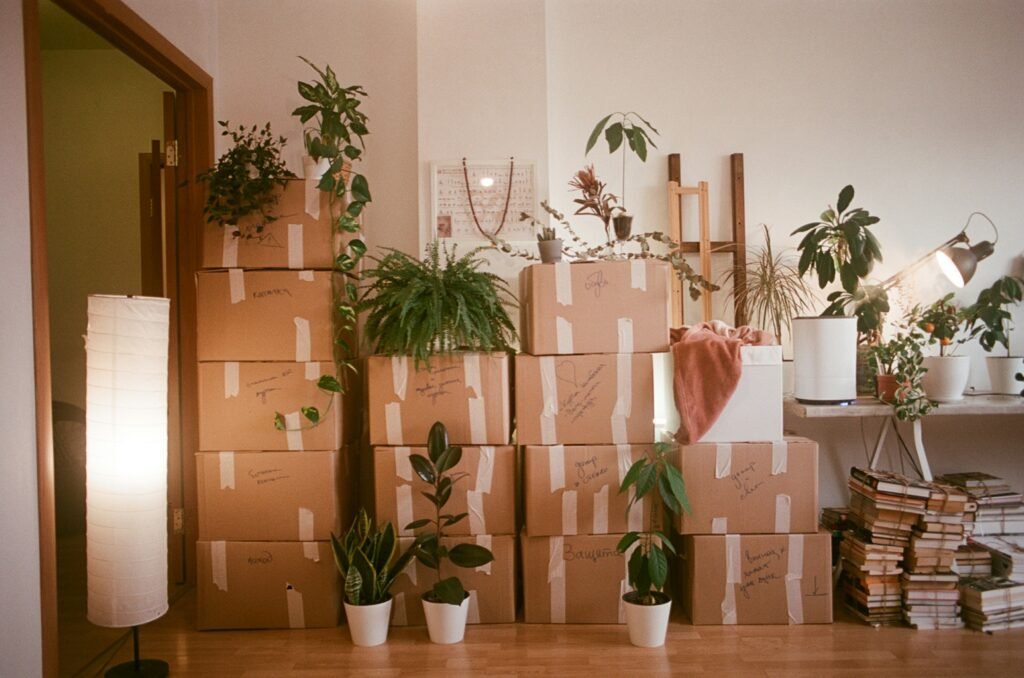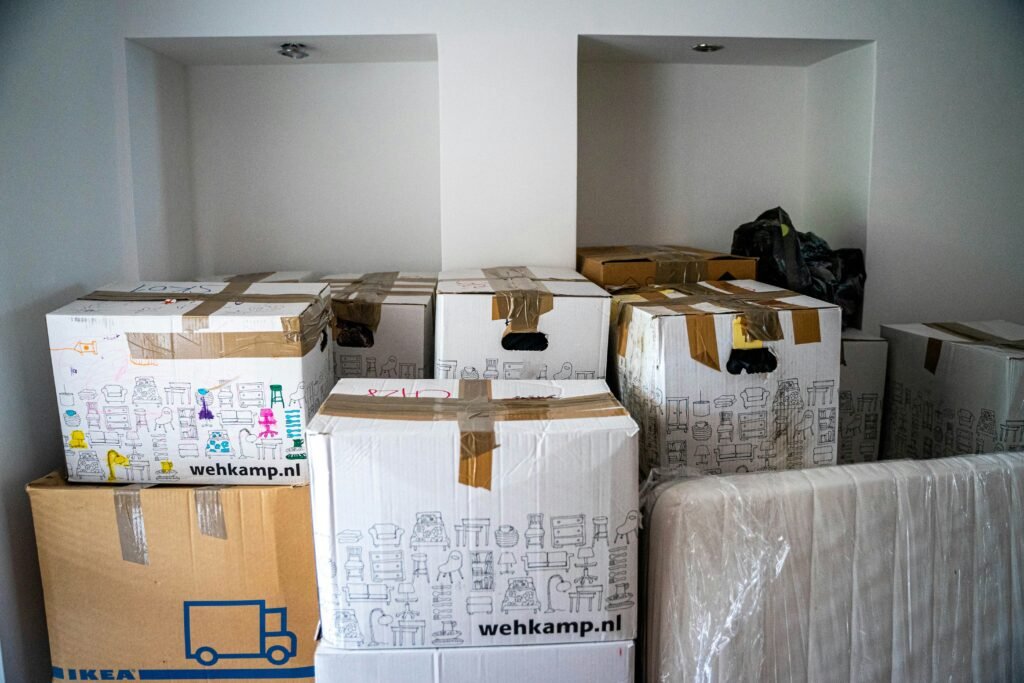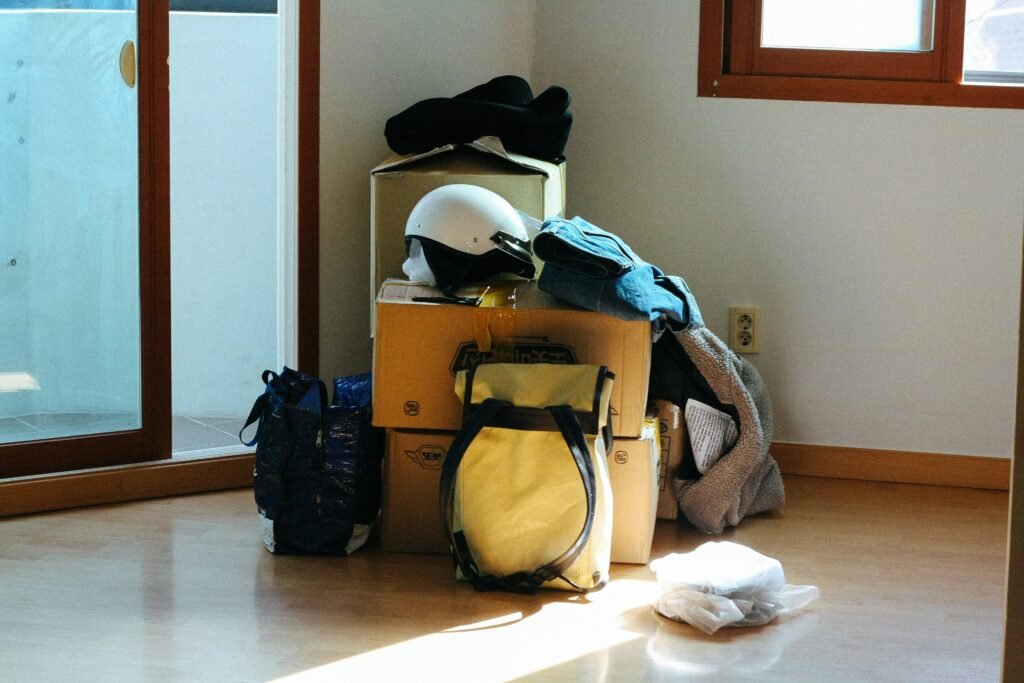

Moving to a new home requires careful coordination. Packing may be the most visible part of the process, but you must also manage utilities, documents, address changes, transportation, cleaning and the first few days in your new home.
This complete moving checklist breaks the process into practical stages, beginning eight weeks before moving day and continuing through your first week after arrival. You can adjust the timeline based on the distance of your move, the size of your household and how much time you have available.
Moving Checklist Timeline
The following table provides a quick overview of the major tasks you should complete during each stage of your move.
| Time Before or After Moving | Important Tasks |
|---|---|
| Eight weeks before | Create a moving folder, establish a budget, decide how you will move and begin decluttering |
| Six weeks before | Research your new area, collect estimates, gather packing materials and prepare an inventory |
| Four weeks before | Begin packing, transfer records, measure furniture and notify your employer |
| Two weeks before | Update your address, arrange utilities and confirm moving details |
| One week before | Finish most packing, prepare appliances and create an essentials box |
| Day before moving | Charge devices, organize documents and complete a final packing check |
| Moving day | Review paperwork, monitor loading and complete a final walkthrough |
| First 24 hours | Check the property, unpack essentials and make the home safe |
| First week after | Complete address updates, unpack important rooms and report any damage |
Eight Weeks Before Moving
Starting early gives you time to compare your options and handle unexpected problems without making rushed decisions.
Create a Moving Folder
Create a physical folder or secure digital file for all information related to the move. Keep the following records together:
- Moving estimates and agreements
- Receipts for moving expenses
- Household inventory
- Utility confirmation numbers
- Property documents
- School and medical records
- Important contact details
- Photographs of valuable belongings
Keep digital backups of essential documents. Passports, identification, financial records, medication information and other sensitive documents should travel with you instead of being placed in a moving truck.
Decide How You Will Move
Determine whether you will hire professional movers, rent a moving vehicle or ask friends and relatives for help.
Consider the distance, number of belongings, size of your furniture, physical demands and available time. A small local move may be manageable without professional assistance, while moving a large household to another state may require more support.
People planning an interstate move can review the Federal Motor Carrier Safety Administration’s Protect Your Move resources. The website explains moving documents, consumer protections and common signs of moving fraud.
Establish a Moving Budget
Transportation is only one part of the total moving cost. Your budget may also need to cover:
- Packing materials
- Moving labor
- Fuel and tolls
- Temporary accommodation
- Food during the journey
- Storage
- Cleaning
- Utility deposits
- Insurance or valuation coverage
- Pet care or childcare
- Replacement household items
Set aside an additional amount for unexpected expenses. Extra boxes, parking charges, access difficulties or last-minute changes can increase the final cost.
Begin Decluttering
Transporting belongings you no longer want creates more work and may increase your moving expenses.
Work through one room at a time and separate items into four groups: keep, sell, donate and discard. Consider whether each item will fit your new home, how often you use it and whether transporting it makes financial sense.
Dispose of unwanted items responsibly. Local governments may have specific procedures for electronics, paint, batteries and hazardous household materials.
Six Weeks Before Moving
Your plans should begin taking a more definite shape approximately six weeks before moving day.
Create a Household Inventory
List the furniture, appliances, electronics, boxes and valuable belongings that will be transported. Record serial numbers and take photographs of expensive or fragile items.
A detailed inventory serves several purposes. It can help you obtain a more accurate estimate, determine what needs special packing and verify that everything arrives at the destination.
Research Your New Area
Learn about the neighborhood and services near your new home. Research:
- Grocery stores and pharmacies
- Hospitals and urgent-care facilities
- Schools and childcare
- Public transportation
- Parking restrictions
- Waste and recycling schedules
- Local registration requirements
- Veterinarians
- Emergency services
Apartment and condominium residents should ask about loading areas, elevator reservations, building access and permitted moving hours.
Obtain and Compare Written Estimates
Provide complete information when requesting moving estimates. Mention stairs, elevators, narrow entrances, long carrying distances, unusually heavy objects and any items requiring special handling.
The Federal Trade Commission recommends obtaining written estimates and checking that each estimate accurately reflects the belongings being moved. Its consumer guidance explains how to recognize warning signs of moving scams.
Review how the price is calculated, which services are included and what circumstances could result in additional charges. Do not rely entirely on a verbal price.
Gather Packing Supplies
Begin collecting boxes, tape, packing paper, labels and protective materials. You may need:
- Small boxes for books and other heavy items
- Medium boxes for general household belongings
- Large boxes for lightweight items
- Specialty containers for artwork or clothing
- Furniture covers
- Mattress bags
- Packing paper
- Bubble cushioning
- Permanent markers
- Resealable bags
- Moving blankets
Suitcases, baskets and plastic containers can also be used for packing. Avoid placing heavy or fragile belongings inside weakened boxes.
Four Weeks Before Moving
Packing and administrative preparations should become part of your regular schedule during this stage.
Pack Nonessential Belongings
Begin with items you are unlikely to use before moving day, such as:
- Seasonal clothing
- Books
- Decorations
- Guest-room contents
- Extra linens
- Collectibles
- Rarely used kitchenware
Label each box with the destination room and a brief description of its contents. A numbering system can make the inventory easier to manage. For example, “Kitchen 1 of 6” shows where the box belongs and how many kitchen boxes should arrive.
Avoid writing the names of valuable products on the outside of boxes.
Measure Furniture and Entryways
Measure large furniture and compare the dimensions with doorways, staircases, elevators and hallways at the new property.
Identify furniture that may need to be disassembled. Take photographs before disassembly and place screws, bolts and other hardware in labeled bags.
This step can prevent you from paying to transport furniture that cannot enter or fit inside your new home.
Transfer Important Records
Arrange to collect or transfer:
- Medical records
- Dental records
- Veterinary records
- Prescriptions
- School records
- Insurance documents
- Financial records
Keep enough medication available for the moving period and possible delays. Essential medication should remain with you throughout the move.
Request Time Away From Work
Ask for moving-day leave as early as possible. A long-distance relocation may require additional time for travel, unloading and unexpected delivery delays.
When possible, leave yourself at least one day to unpack essential rooms before returning to work.
Two Weeks Before Moving
The final arrangements should now be confirmed, and most nonessential belongings should already be packed.
Change Your Address
Create a list of organizations that need your new address, including:
- Banks and credit-card providers
- Insurance companies
- Employers
- Schools
- Healthcare providers
- Government agencies
- Subscription services
- Membership organizations
- Friends and relatives
USAGov provides official instructions for changing your address with the Postal Service and government agencies. Depending on where you move, you may also need to update your driver’s license, vehicle registration and voter registration.
Mail forwarding can help prevent lost mail, but it should not replace updating important organizations directly.
Arrange Utility Services
Schedule the disconnection or transfer of services at your current property and activation at the new home.
These services may include:
- Electricity
- Gas
- Water
- Internet
- Waste collection
- Security systems
Arrange for essential utilities to be working by the time you arrive. Record the final meter readings at your old property and the initial readings at the new one when appropriate.
Confirm the Moving Details
Confirm the following information:
- Moving date
- Arrival window
- Pickup address
- Delivery address
- Contact numbers
- Parking arrangements
- Elevator reservation
- Services included
- Expected charges
- Accepted payment method
- Delivery schedule
Report major changes to your inventory before moving day. Adding furniture or a large number of boxes at the last minute could affect the available space and final cost.
Plan Your Remaining Meals
Use frozen food, refrigerated products and open pantry items. Avoid purchasing more food than you can consume before leaving.
Check whether food can be donated locally rather than discarded. Do not pack perishable food for a long-distance move unless you can transport it safely.
One Week Before Moving
Most packing should be completed during the final week.
Finish Packing
Leave out only the clothing, toiletries, kitchen supplies and other belongings needed during the remaining days.
Check every storage location, including:
- Closets
- Cabinets
- Drawers
- Attics
- Basements
- Garages
- Outdoor storage areas
- Spaces under beds
Keep hardware from disassembled furniture in labeled resealable bags. Attach each bag securely to the corresponding furniture or store all hardware in one clearly marked container.
Prepare a Moving Essentials Box
The essentials box should contain everything you may need during the first night in your new home.
Pack items such as:
- Toilet paper
- Soap and towels
- Toothbrushes and toiletries
- Medication
- Phone chargers
- Basic tools
- Cleaning supplies
- Trash bags
- Paper towels
- Snacks and water
- A change of clothes
- Bedding
- Pet supplies
- Children’s necessities
- Flashlight
- Basic first-aid supplies
Keep this box with you or make sure it is loaded last so it can be unloaded first.
Ready.gov provides official guidance for creating an emergency supply kit. Keeping basic emergency supplies available can be helpful during travel delays, severe weather or temporary utility interruptions.
Prepare Appliances
Follow the manufacturer’s instructions when preparing refrigerators, freezers, washing machines and other appliances.
Empty, clean and dry each appliance. Defrost the freezer early enough to prevent water leakage. A qualified professional may be needed to disconnect certain gas appliances.
Arrange Care for Children and Pets
Moving day can involve heavy objects, unfamiliar people and doors that remain open for extended periods.
Arrange a safe room or temporary care for children and pets when possible. Prepare food, medication, carriers, leashes, identification tags and comfort items separately.
The Day Before Moving
Complete the following tasks before going to bed:
- Charge phones and portable batteries.
- Confirm the arrival time.
- Organize identification and important documents.
- Empty and clean the refrigerator.
- Photograph valuable belongings.
- Photograph electronic cable connections.
- Set aside cleaning supplies.
- Confirm parking and building access.
- Check every room for unpacked belongings.
- Pack water and snacks for the journey.
Avoid putting keys, wallets, passports, medication or essential documents inside ordinary moving boxes.
Moving Day Checklist
Moving day requires your attention even when other people are handling the physical work.
Separate Items That Should Not Be Loaded
Place personal luggage, important documents, valuables, medication, keys and the essentials box in a separate room or inside your vehicle.
Tell everyone involved that these items should not be loaded.
Review the Moving Documents
Read every document before signing it. Confirm that your name, addresses, inventory and agreed services are correct.
Do not sign blank or incomplete paperwork. Ask about unfamiliar charges or terms before the loading process begins.
The FMCSA provides an official moving checklist for consumers preparing for an interstate household move.
Monitor Loading
Check boxes and furniture against your inventory as they are loaded. Note existing damage and keep photographs for your records.
Remain available to answer questions, but keep pathways clear so items can be moved safely.
Complete a Final Walkthrough
After everything has been loaded, inspect:
- Closets and cabinets
- Drawers
- Attic and basement
- Garage
- Outdoor areas
- Storage spaces
- Behind doors
- Inside appliances
Turn off lights, close windows and lock doors as required. Return keys according to your lease or property agreement.
During the Journey
Keep identification, medication, documents, valuables and communication devices with you.
Check the weather and road conditions before leaving. Share your route and expected arrival time with someone you trust, particularly when completing a long-distance move.
Carry chargers, water, food and emergency supplies. Families traveling with children or pets should schedule regular breaks and arrange accommodation in advance when an overnight stop is necessary.
Arriving at Your New Home
Inspect the new property before unloading. Look for water leaks, electrical problems, broken locks or other issues that may require immediate attention.
Direct Boxes to the Correct Rooms
Use the labels on your boxes to direct each item to the appropriate room. Proper placement reduces unnecessary lifting and makes unpacking easier.
Compare delivered belongings with your inventory. Check furniture and fragile items for visible damage as they enter the property.
Check Essential Services and Safety Equipment
Confirm that the following are working:
- Electricity
- Water
- Heating or cooling
- Exterior locks
- Smoke alarms
- Carbon monoxide alarms
- Essential appliances
Locate the electrical panel, water shutoff valve, fire extinguisher and emergency exits.
Document Missing or Damaged Items
Photograph damaged belongings and their packaging before throwing anything away. Record missing items and keep copies of the inventory and moving documents.
Review your agreement for instructions and deadlines related to reporting loss or damage. Procedures can vary, so problems should be documented promptly.
The First 24 Hours After Moving
Trying to unpack the entire home immediately can be exhausting. Concentrate on safety and basic comfort first.
Prioritize these tasks:
- Set up the beds.
- Unpack medication and toiletries.
- Prepare food and drinking water.
- Secure doors and windows.
- Create a safe space for children and pets.
- Unpack basic kitchen supplies.
- Remove boxes from walkways.
- Check for property damage.
- Test important appliances.
- Report urgent maintenance problems.
Avoid stacking heavy boxes where they could fall or obstruct an exit.
The First Week After Moving
Unpack according to how urgently each room is needed. Bedrooms, bathrooms and the kitchen will usually take priority.
During the first week:
- Complete outstanding address changes.
- Update your driver’s license when required.
- Update vehicle registration.
- Review voter-registration requirements.
- Register children for school.
- Find nearby healthcare and emergency facilities.
- Learn the waste and recycling schedules.
- Test safety alarms again.
- Review the home’s security.
- Save receipts and moving documents.
- Report missing or damaged items.
- Recycle or reuse packing materials.
USAGov provides links to official state motor vehicle services for people who need to update a driver’s license, vehicle registration or title after relocating.
Frequently Asked Questions
When should I begin planning a move?
Beginning six to eight weeks before moving day gives most households enough time to declutter, compare estimates, gather supplies and pack gradually. Larger households and long-distance moves may require more time.
What should I pack first?
Start with belongings you will not need before moving, such as seasonal clothing, decorations, books, guest-room items and rarely used kitchenware.
What should stay with me during the move?
Keep identification, medication, important documents, money, valuables, phones, chargers, keys and essential clothing with you. Do not place irreplaceable items in the moving truck.
When should I submit a change of address?
Begin updating important accounts approximately two weeks before the move. Schedule mail forwarding around your moving date and notify financial institutions, government agencies and healthcare providers directly.
How can I make moving day less stressful?
Finish packing before moving day, label every box, prepare an essentials box, confirm access and parking, keep documents separate and arrange a safe place for children and pets.
What should I unpack first?
Unpack bedding, toiletries, medication, towels, chargers, pet supplies and basic kitchen items first. Preparing the bedrooms and bathrooms can make your first night much more comfortable.
Following a complete moving checklist makes it easier to complete each task at the appropriate time. Careful preparation can protect your belongings, reduce avoidable expenses and help your household settle into the new home with less stress.
Note: Moving requirements, address-update procedures and consumer protections vary by location and type of move. Review the rules that apply in your area and read all moving documents carefully before signing.