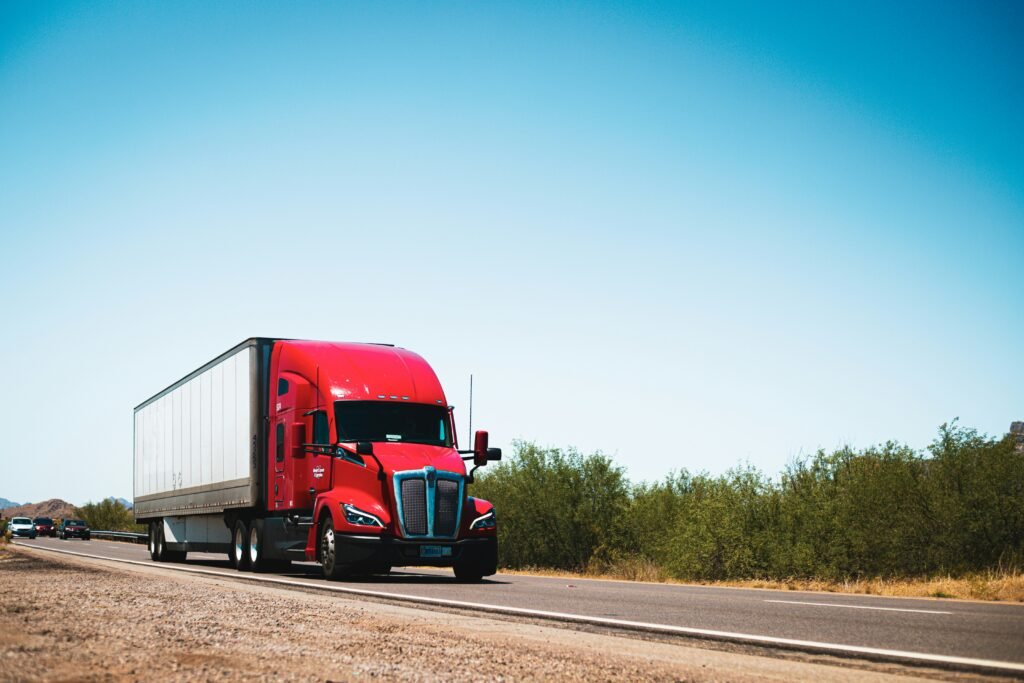
A moving truck that cannot park near your home can turn a straightforward move into a longer and more expensive process. Workers may need to carry furniture farther, cross busy streets or use smaller vehicles to transfer belongings between the property and the truck.
The problem is especially common around apartment buildings, narrow residential streets, downtown properties, gated communities and homes without private driveways. Construction, street-cleaning schedules, fire lanes and parking restrictions can also remove an expected loading space without much warning.
The best response is to identify the problem before moving day, confirm the local parking requirements and create a backup loading plan. When the issue is discovered at the last minute, safety and legal parking should take priority over keeping the original schedule.
Why Moving Truck Parking Matters
A moving truck requires more space than an ordinary passenger vehicle. The driver may need room to position the vehicle, open the rear door, operate a loading ramp and move equipment safely.
Poor parking access can affect:
- Loading and unloading time
- Hourly labor charges
- Long-carry fees
- Crew safety
- Traffic flow
- Building access
- Elevator reservations
- The moving schedule
- The risk of property damage
- Whether large furniture can be loaded efficiently
Parking a truck farther away does not necessarily make the move impossible. However, it may require additional labor, equipment and coordination.
Identify Parking Problems Before Moving Day
Do not assume the space in front of your home will be available simply because it is usually empty. Visit both properties around the same time of day that the moving truck is expected to arrive.
Inspect the pickup and delivery locations separately. A moving truck may have easy access at your current home but face restrictions at the new one.
Look for:
- Posted parking restrictions
- Permit-only areas
- Loading zones
- Fire hydrants and fire lanes
- Bus stops
- Bike lanes
- Street-cleaning schedules
- Construction zones
- Low branches or overhead wires
- Narrow streets
- Tight turns
- Weight or vehicle-size restrictions
- Height limits at garages and covered entrances
- Gates or security barriers
- Steep or uneven driveways
Take photographs and measure questionable areas. Send the information to the moving company before the move so it can evaluate the access conditions.
Our furniture and access checklist explains what to measure around doors, hallways, stairs, elevators and loading areas before moving day.
Ask the Moving Company How Much Space It Needs
Moving vehicles vary considerably in length and height. A truck used for a studio apartment may require much less space than a tractor-trailer transporting a long-distance shipment.
Ask the company:
- What type and approximate size of vehicle will arrive?
- How much curb space does it require?
- Does the truck need space for a loading ramp?
- Can it enter your driveway safely?
- Are there height or weight limitations?
- How close does the truck need to be?
- Can a smaller vehicle be used?
- Could a shuttle service be necessary?
- What additional fees may apply when parking is far away?
Do not rely on a description such as “a regular moving truck.” Ask for approximate dimensions whenever access is limited.
For a long-distance move, the vehicle arriving at your property may not be the same truck used for the main transportation. Confirm whether a smaller local vehicle will collect the belongings and transfer them to a larger truck.
Check Whether a Parking Permit Is Required
Some cities allow residents to reserve curb space or obtain a temporary permit for a moving truck. Other jurisdictions may require a general parking permit, temporary no-parking signs or approval for using a public loading area.
Requirements vary by city and may depend on:
- The street
- Vehicle size
- Day and time
- Length of the reservation
- Whether meters are present
- Whether traffic lanes will be affected
- Whether signs must be posted in advance
- Whether parking enforcement must verify the space
Contact the relevant municipal parking or transportation department for current instructions. Apply early because the process may require several business days.
Before applying, confirm:
- Which address the permit covers
- The exact permitted hours
- The amount of curb space reserved
- Where signs must be placed
- How early signs must be posted
- Whether the permit guarantees an empty space
- Who to contact if another vehicle occupies the area
- Whether separate permits are needed at both homes
A parking permit does not normally allow a driver to block a fire hydrant, fire lane, accessible space or other prohibited area. Follow the conditions written on the permit.
Speak With Your Building Manager or Landlord
Apartment and condominium buildings may have loading docks or designated moving areas that are not visible from the street. Access may require a reservation, deposit, security authorization or proof of insurance from the moving company.
Ask the building manager about:
- Loading-dock availability
- Moving hours
- Service entrances
- Elevator reservations
- Vehicle height limits
- Gate access
- Parking permits or passes
- Security procedures
- Required protective materials
- Time limits
- Weekend or holiday restrictions
- Certificates of insurance
- Deposits or move-in fees
Reserve the loading area and elevator for overlapping periods. A truck reservation is not helpful when the service elevator is unavailable, and an elevator reservation may be wasted if the truck cannot access the building.
Obtain the rules in writing and share them with the moving company.
Reserve Legal Curb Space When Permitted
When local rules allow it, reserve enough legal space for the moving vehicle and loading equipment. Follow the municipality’s process rather than placing personal objects in the street.
Do not attempt to hold a public parking space with:
- Household chairs
- Garbage bins
- Traffic cones you are not authorized to use
- Boxes
- Personal vehicles parked unlawfully
- Homemade no-parking signs
These methods may violate local rules and may not prevent another driver from using the space.
Where permitted, you may be able to position your own vehicles legally in the area before the move and relocate them when the truck arrives. Confirm that doing so complies with all posted restrictions and permit conditions.
Tell the Movers About the Problem Immediately
Notify the moving company as soon as you discover that close parking may not be available. Waiting until the crew arrives can create delays and unexpected charges.
Provide:
- The complete address
- Photographs of the street and entrance
- Approximate walking distance from possible parking
- Information about stairs and elevators
- Parking restrictions
- Permit details
- Loading-area reservation times
- Gate or entry instructions
- A building contact number
- Information about roadwork or closures
- Your proposed backup location
Ask the company to confirm the revised plan in writing. If the change may affect the price, request an updated estimate.
Our guide to moving estimates can help you identify where access fees, labor time and additional services should appear.
Understand Possible Additional Charges
When a moving truck cannot park close to the home, the final price may increase. The exact effect depends on the pricing method and written agreement.
Possible charges include:
| Possible charge | Why it may apply |
|---|---|
| Additional labor time | Workers need longer to carry items between the home and truck |
| Long-carry fee | The walking distance exceeds the distance included in the estimate |
| Shuttle fee | A smaller vehicle transfers belongings to or from the main truck |
| Additional crew | More workers are required to maintain the schedule |
| Parking cost | Legal commercial parking or a permit must be paid for |
| Waiting time | The crew cannot begin while parking or building access is resolved |
| Equipment charge | Additional carts, dollies or protective materials are required |
| Rescheduling fee | The move cannot proceed and must be completed another day |
Ask how the company measures a long carry. It may be based on the distance between the truck and the building entrance, but policies differ.
Never assume an access-related charge is included. Review your estimate and ask for unclear costs to be explained before moving day.
Consider Using a Smaller Shuttle Vehicle
A shuttle may be necessary when the main truck is too large for the street, driveway or building entrance. Belongings are loaded into a smaller vehicle, transported to the larger truck and transferred again.
A shuttle can solve problems involving:
- Narrow urban streets
- Low-clearance entrances
- Weight-restricted roads
- Gated properties
- Rural roads unsuitable for large trucks
- Steep driveways
- Tight turns
- Limited loading areas
However, a shuttle adds time and an additional handling stage. Ask how the service will be priced, how belongings will be tracked and where the transfer will occur.
For long-distance moves, confirm whether the need for a shuttle could affect the delivery schedule.
Create a Safe Long-Carry Route
When the truck must remain farther away, inspect the complete route between the vehicle and the home.
The pathway should be:
- Wide enough for furniture
- Clear of boxes and household items
- Free from loose rugs and cords
- Properly lit
- Protected from pets and children
- Clear of snow, ice, mud and standing water
- Away from active traffic where possible
- Accessible without crossing unsafe slopes or stairs
Open required doors and gates before loading begins. Protect floors, walls, door frames and elevator interiors where appropriate.
If workers must cross a sidewalk or shared hallway, do not block the route completely. Other residents and pedestrians should still be able to pass safely.
Do Not Block Traffic or Unsafe Areas
A moving schedule does not justify illegal or dangerous parking. The truck should not block:
- Fire hydrants
- Fire lanes
- Accessible parking spaces
- Crosswalks
- Intersections
- Bus stops
- Bike lanes where prohibited
- Driveways without permission
- Emergency access
- Railway crossings
- Active traffic lanes
The driver is responsible for operating and positioning the vehicle safely. Do not pressure the driver to enter a space that appears too narrow, unstable or restricted.
If the only nearby location would create a hazard, use a legal alternative even if it increases the carrying distance.
What to Do When Another Vehicle Takes the Reserved Space
A permit or temporary sign may not guarantee that the curb will be empty when the truck arrives.
If another vehicle occupies the reserved space:
- Confirm that your permit applies to the correct location and time.
- Do not touch, block or attempt to move the vehicle.
- Contact the number provided by the local parking authority.
- Notify the moving company about the delay.
- Ask whether the truck can wait legally nearby.
- Use the prepared backup loading area if necessary.
- Record the time and circumstances in case they affect your bill.
Do not arrange private towing unless you have the authority to do so. Procedures for reporting and removing a vehicle vary by jurisdiction.
What to Do When You Discover the Problem on Moving Day
When no parking plan was made in advance, remain calm and work through the available options.
Assess Nearby Legal Parking
Look for a location where the truck can park legally without blocking traffic or emergency access. The driver should make the final decision about whether the location is safe for the vehicle.
Contact the Building
A property manager may be able to open a loading area, provide temporary access or adjust an elevator reservation.
Contact the Local Parking Authority
Ask whether an emergency or same-day permit is available. Do not assume one can be issued immediately.
Approve Additional Work Carefully
If the mover recommends a long carry, shuttle or additional crew, ask:
- Why is it required?
- What will it cost?
- How will the charge be calculated?
- Will it change the schedule?
- Can the change be documented in writing?
Adjust the Schedule
When safe and legal access cannot be arranged, rescheduling may be the only responsible option. Review your agreement to understand the financial consequences before making the decision.
How to Reduce Delays When the Truck Parks Far Away
You can make a long carry more manageable by preparing the property before the crew arrives.
Complete these tasks:
- Finish packing every box.
- Label boxes by destination room.
- Disassemble approved furniture in advance.
- Clear hallways and stairs.
- Reserve the elevator.
- Unlock gates and service entrances.
- Remove snow, ice and outdoor obstacles.
- Keep children and pets away from the loading route.
- Separate belongings that will travel with you.
- Make sure someone is available to answer questions.
Avoid packing while loading is underway. Last-minute packing can add even more time to a move already affected by poor access.
The complete moving checklist can help you coordinate these preparations without overlooking essential tasks.
Planning for Parking at the New Home
Do not focus exclusively on the departure address. The delivery location may have more complicated restrictions.
Before the move, verify:
- When you will receive the keys
- Whether the street permits commercial vehicles
- Where the truck can unload
- Whether a permit is required
- Whether the loading dock has been reserved
- Whether the vehicle fits beneath any structure
- How far the truck will be from the entrance
- Whether stairs or elevators are involved
- Whether unloading hours are restricted
- Whether construction will affect access
Send this information to the mover even if the company already has the address. A street address alone does not explain the actual access conditions.
Moving Truck Parking Checklist
Use this checklist for both the pickup and delivery properties:
| Task | Pickup | Delivery |
|---|---|---|
| Inspect street restrictions | ☐ | ☐ |
| Confirm truck size | ☐ | ☐ |
| Check driveway suitability | ☐ | ☐ |
| Ask about parking permits | ☐ | ☐ |
| Reserve loading area | ☐ | ☐ |
| Reserve service elevator | ☐ | ☐ |
| Check vehicle clearance | ☐ | ☐ |
| Photograph the access area | ☐ | ☐ |
| Send details to the mover | ☐ | ☐ |
| Confirm possible extra fees | ☐ | ☐ |
| Prepare a backup location | ☐ | ☐ |
| Clear the carrying route | ☐ | ☐ |
Frequently Asked Questions
How close does a moving truck need to park?
There is no universal distance. The truck should be close enough for safe and efficient loading while remaining legally parked. Greater distances may increase labor time or result in a long-carry charge.
Can a moving truck block my driveway?
A truck may be able to use or temporarily block your private driveway with proper permission, provided it does not violate local rules or prevent emergency access. Blocking someone else’s driveway without authorization is not acceptable.
Do I need a permit for a moving truck?
It depends on the city, street and parking arrangement. Some municipalities require a permit to reserve curb space, while others use temporary no-parking signs or different procedures. Check with the local authority for both addresses.
Who is responsible for arranging parking?
The customer is often expected to provide accurate access information and arrange required permits, but responsibilities vary by company and contract. Ask the mover directly and have the answer documented.
What is a long-carry fee?
A long-carry fee may apply when workers must transport belongings farther than the distance included in the moving price. Ask the company how it measures the distance and calculates the charge.
What is a moving shuttle?
A shuttle is a smaller vehicle used to transfer belongings between the property and the main moving truck when the larger vehicle cannot reach the loading area.
Can movers refuse to complete the move because of parking?
A crew may be unable to proceed when there is no legal or safe place to park. The available solution could involve waiting, a long carry, a shuttle or rescheduling, depending on the circumstances and agreement.
Will poor parking make my move more expensive?
It can. Additional labor time, long carrying distances, parking expenses, waiting time or a shuttle may increase the cost. Disclose access problems before accepting the estimate.
Should I reserve parking at both properties?
Yes, when reservations are available or required. Confirm access independently at the pickup and delivery locations because each property may have different rules.
Parking is easy to overlook when planning a move, but it directly affects time, cost and safety. Inspect both addresses, confirm the truck’s requirements, arrange permits early and prepare a legal backup location. A clear parking plan can prevent a minor access issue from disrupting the entire moving day.
Moving Note: Parking laws, permit procedures, building rules and moving-company charges vary by location. Confirm current requirements with the appropriate municipality, property manager and moving company before moving day.