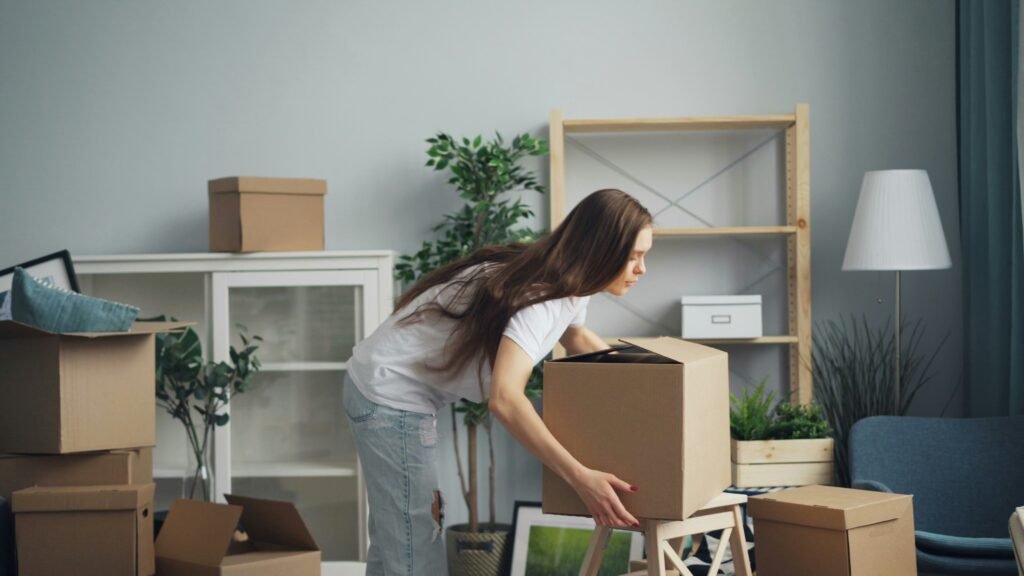
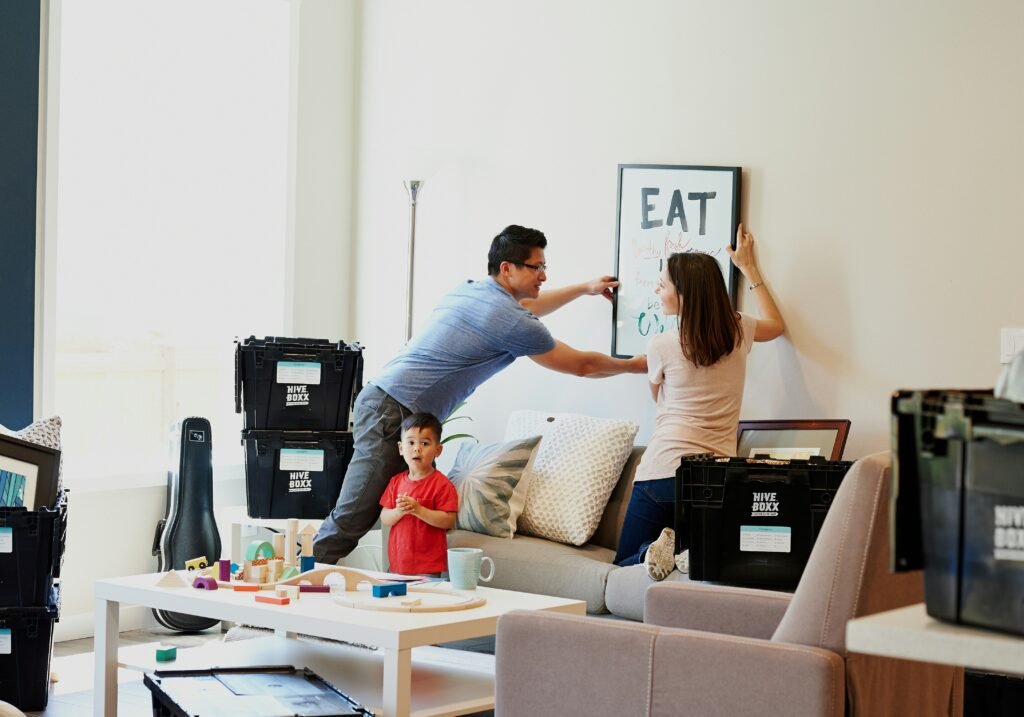
A moving day essentials box should contain the belongings you will need during the journey, immediately after arriving and throughout your first night in the new home. It should remain with you or be loaded last so you can access it before unpacking ordinary boxes.
Medication, identification, toiletries, chargers, bedding, basic tools, food and household supplies are among the most important items to include. Knowing what to pack in a moving day essentials box can prevent you from opening multiple containers just to find toilet paper, a phone charger or clean clothing.
Moving Day Essentials Box Checklist
Use this table as a starting point and adjust it for your household.
| Category | What to Pack |
|---|---|
| Important documents | Identification, moving paperwork, lease or property documents and emergency contacts |
| Medication | Prescriptions, medical devices, basic first aid and medication instructions |
| Toiletries | Toothbrushes, toothpaste, soap, toilet paper, towels and shower supplies |
| Clothing | Change of clothes, sleepwear, socks, underwear and weather-appropriate layers |
| Electronics | Phones, chargers, portable batteries, flashlights and essential work devices |
| Food and water | Drinking water, snacks, simple meals, cups, utensils and napkins |
| Bedding | Sheets, pillows, blankets and sleeping necessities |
| Cleaning supplies | Paper towels, trash bags, disinfectant, cloths and basic cleaner |
| Basic tools | Screwdriver, pliers, utility knife, scissors, tape and measuring tape |
| Kitchen essentials | Plates, cups, cutlery, can opener and basic food-preparation items |
| Children’s supplies | Clothing, food, medication, toys, comfort items and diapers when needed |
| Pet supplies | Food, water, bowls, leash, carrier, medication and waste supplies |
| Safety supplies | First-aid kit, flashlight, batteries and emergency information |
Not every item must fit inside one physical box. You can divide your essentials among a document bag, personal luggage, cooler and clearly labeled household container.
What Is a Moving Day Essentials Box?
A moving day essentials box is a collection of items that should remain immediately accessible during and after your move.
It is sometimes called:
- First-night box
- Open-first box
- Moving survival kit
- Moving-day kit
- Essentials bag
The purpose is the same: to avoid searching through sealed boxes when you are tired, the household shipment is delayed or the utilities are not working as expected.
The box should support your household from the morning of the move through at least the following day. Long-distance moves may require enough supplies for several days.
Essentials Box vs. Personal Bag
Some belongings should not be placed in a general household box, even when that box is labeled “Open First.”
Keep in Your Personal Bag
Carry these items directly:
- Driver’s license or other identification
- Passports
- Wallet and payment cards
- Prescription medication
- Keys
- Phone
- Important financial documents
- Jewelry
- Irreplaceable items
- Moving agreement
- Property-access information
Place in the Essentials Box
The household essentials box may contain:
- Toilet paper
- Towels
- Bedding
- Cleaning supplies
- Basic tools
- Kitchen supplies
- Snacks
- Chargers
- Additional clothing
This distinction reduces the chance that sensitive or irreplaceable belongings will be lost or loaded unintentionally.
Important Documents
Place important records in a secure, weather-resistant folder or bag.
Documents may include:
- Driver’s licenses
- Passports
- Birth certificates
- Lease agreement
- Property documents
- Moving estimate
- Inventory
- Bill of lading
- Valuation documents
- Utility confirmations
- Hotel reservations
- Vehicle records
- Medical information
- School records
- Veterinary records
- Emergency contacts
Keep digital copies in secure storage when appropriate, but do not rely entirely on internet access during the move.
Create a Contact Sheet
Prepare a written list containing:
- Current property contact
- New property contact
- Utility providers
- Emergency contacts
- School or childcare
- Veterinarian
- Healthcare provider
- Hotel or accommodation
- Relevant moving contacts
A printed copy remains useful when a phone loses power or mobile service is unavailable.
Medication and Medical Supplies
Medication should remain under your control throughout the move.
Pack:
- Prescription medication
- Over-the-counter medication
- Medical devices
- Eyeglasses or contact supplies
- Hearing-aid batteries
- Mobility supplies
- Basic first aid
- Allergy information
- Copies of prescriptions
- Healthcare contact information
Keep enough medication for possible travel or delivery delays.
Temperature-sensitive medication may require insulated transportation. Follow instructions from the healthcare provider, pharmacist or manufacturer.
Do not place essential medication inside a moving vehicle where it may become inaccessible or exposed to extreme temperatures.
Toiletries and Bathroom Supplies
The bathroom should be one of the first functional rooms in the new home.
Pack:
- Toilet paper
- Hand soap
- Toothbrushes
- Toothpaste
- Shampoo
- Shower supplies
- Towels
- Washcloths
- Deodorant
- Hairbrush
- Personal-care products
- Shower curtain and hooks when needed
Seal liquids inside waterproof bags. Keep cleaning products separate from toiletries and food.
Clothing
Pack enough clothing for at least one or two days. A long-distance move or uncertain delivery schedule may require more.
Include:
- Underwear
- Socks
- Comfortable clothing
- Sleepwear
- Work or school clothes
- Weather-appropriate layers
- Closed-toe shoes
- Rainwear
- Seasonal accessories
Each household member should have a separate bag when possible. This prevents clothing from becoming mixed and makes it easier to find personal items.
Electronics and Chargers
Phones are often needed for directions, communication, property access and confirmation numbers.
Pack:
- Phones
- Charging cables
- Wall adapters
- Portable batteries
- Laptop
- Laptop charger
- Tablet
- Flashlight
- Spare batteries
- Headphones
- Mobile hotspot when necessary
Charge every device before moving morning.
Keep electronics protected from moisture, impact and extreme temperatures. Do not leave them inside a hot or freezing vehicle longer than necessary.
Food and Drinking Water
Moving day can be physically demanding, and food may not be easily available.
Prepare:
- Bottled or safely stored water
- Shelf-stable snacks
- Fruit that travels well
- Sandwiches or simple meals
- Child-appropriate food
- Pet food
- Cups
- Plates
- Cutlery
- Napkins
- Can opener
- Cooler and ice packs when needed
Avoid foods that require complicated preparation. Keep perishable food at a safe temperature.
Ask household members about allergies or dietary requirements before packing shared snacks.
Bedding and Sleep Supplies
Setting up beds should be one of the first tasks after arriving.
Pack one complete set for each bed:
- Fitted sheet
- Top sheet
- Pillowcases
- Pillows
- Blanket or comforter
- Sleepwear
Pack each bed’s supplies together in a clearly labeled bag or container.
Do not place all bedding deep inside the household shipment. An unexpected delay could leave you without what you need for the first night.
Cleaning Supplies
The new home may require cleaning before belongings are placed in rooms.
Include:
- Paper towels
- Trash bags
- Cleaning cloths
- Multipurpose cleaner
- Disinfectant
- Hand sanitizer
- Dish soap
- Sponge
- Broom and dustpan
- Disposable gloves
- Small vacuum when practical
Keep chemical products in their original labeled containers. Seal them against leaks and separate them from food, medication and personal-care items.
Do not mix cleaning chemicals.
Basic Tools
A small toolkit can help with furniture, boxes and minor setup tasks.
Pack:
- Flathead screwdriver
- Phillips screwdriver
- Pliers
- Adjustable wrench
- Measuring tape
- Scissors
- Utility knife
- Packing tape
- Hammer
- Flashlight
- Spare batteries
- Furniture hardware
- Pen and permanent marker
Protect sharp tools and keep them away from children.
Do not pack every tool in the essentials box. Include only what may be required for immediate setup.
Kitchen Essentials
You do not need a complete kitchen during the first night, but a few basic items can make meals easier.
Pack:
- Plates or bowls
- Cups
- Cutlery
- One knife with blade protection
- Cutting board
- Can opener
- Bottle opener
- Kettle or coffee supplies when needed
- Dish soap
- Sponge
- Kitchen towel
- Food-storage bags
Choose simple foods that require minimal equipment.
Essentials for Children
Moving can be disruptive for children. A familiar object and predictable routine may make the first day easier.
Pack a separate bag containing:
- Change of clothing
- Sleepwear
- Medication
- Snacks
- Water bottle
- Favorite toy
- Comfort item
- Books or games
- Electronic device and charger
- School necessities
- Toiletries
For babies or toddlers, add:
- Diapers
- Wipes
- Formula or food
- Bottles
- Changing supplies
- Portable sleeping arrangement
- Stroller
- Extra clothing
Do not place a child’s essential medication or comfort item inside the household shipment.
Essentials for Pets
Pets should have their own accessible travel supplies.
Pack:
- Food
- Drinking water
- Bowls
- Leash
- Harness
- Carrier or crate
- Medication
- Veterinary records
- Waste bags
- Litter and litter box
- Bedding
- Favorite toy
- Cleaning supplies
- Current identification
Keep a current photograph of each pet and verify that identification information is accurate.
Ready.gov provides additional guidance on preparing an emergency plan and kit for pets.
Keep pets secure while doors are open. A quiet room, caregiver or boarding arrangement can reduce the risk of escape or injury.
Emergency and Safety Supplies
Moving plans can be affected by weather, traffic, power outages or delayed property access.
Your emergency supplies may include:
- First-aid kit
- Flashlight
- Extra batteries
- Drinking water
- Nonperishable food
- Portable radio
- Phone battery
- Emergency contacts
- Local map
- Weather-appropriate clothing
- Basic hygiene supplies
Ready.gov offers an official emergency supply kit checklist that can help you prepare for interruptions lasting longer than expected.
What to Pack for a Local Move
A local move may require supplies for only one day and night.
Your essentials can usually focus on:
- Documents
- Medication
- Toiletries
- Clothing
- Chargers
- Food and water
- Cleaning supplies
- Bedding
- Basic tools
Keep enough flexibility for an unexpected delay or property-access problem.
What to Pack for a Long-Distance Move
A long-distance move may involve overnight travel or a delivery window.
Pack enough supplies for several days, including:
- Additional clothing
- Extra medication
- Travel documents
- Hotel information
- Vehicle supplies
- Food and water
- Weather-appropriate clothing
- Children’s travel items
- Pet travel supplies
- Work or school equipment
Do not assume your household shipment will arrive at the same time you do.
What to Pack When Moving Into an Apartment
Apartment access can be affected by keys, elevators, building hours and parking.
Keep these items accessible:
- Lease
- Key-collection instructions
- Building contact information
- Gate codes
- Elevator reservation
- Parking authorization
- Identification
- Proof of required arrangements
- Basic cleaning supplies
- Measuring tape
Confirm how and when you can enter the building before moving day.
How Many Essentials Boxes Do You Need?
The appropriate number depends on household size and travel time.
| Household | Suggested Setup |
|---|---|
| One adult | One personal bag and one essentials box |
| Couple | One personal bag each and one shared box |
| Family with children | Individual personal bags plus one or two shared boxes |
| Household with pets | Personal bags, shared box and separate pet kit |
| Long-distance move | Travel luggage, document bag, cooler and one or more essentials boxes |
| Household with medical needs | Personal luggage plus a separate medical-supply bag |
Do not create so many “essential” containers that they become difficult to identify. Limit them to items you genuinely need before ordinary unpacking begins.
How to Label the Essentials Box
Use a distinctive label on multiple sides.
Include:
- OPEN FIRST
- DO NOT LOAD, when it will stay with you
- Destination room
- Household name
- Box number
- General contents
Consider using a different label color from ordinary boxes.
Do not write sensitive information such as “passports,” “cash” or “jewelry” on the outside.
Where Should the Essentials Box Travel?
The safest location depends on its contents.
In Your Personal Vehicle
Medication, documents, valuables, clothing, food and critical supplies should generally travel with you.
Loaded Last
Bedding, cleaning supplies, basic tools and ordinary household items may be loaded last so they can be unloaded first.
Confirm who is responsible for the box. Do not assume that a label guarantees it will be placed where you expect.
What Should Not Go in the Essentials Box?
Avoid packing:
- Fuel
- Propane
- Fireworks
- Unapproved chemicals
- Leaking products
- Unprotected knives
- Loose batteries
- Excessively heavy tools
- Items you will not need immediately
- Irreplaceable valuables in an unattended box
Household products such as paints, cleaners, oils, batteries and pesticides may require special management. Review the Environmental Protection Agency’s guidance on household hazardous waste.
When Should You Prepare the Essentials Box?
Begin making a list approximately one week before moving, but wait to add daily medication, toiletries and electronics until the final day.
A practical schedule is:
| Time Before Moving | Task |
|---|---|
| One week before | Create the list and choose the containers |
| Three days before | Add bedding, tools, cleaning supplies and household items |
| Day before | Add clothing, toiletries, food and children’s supplies |
| Moving morning | Add medication, documents, phones and final personal items |
Our guide to what to do during the final week before moving provides a complete seven-day countdown.
Moving Day Essentials Box Mistakes to Avoid
Common mistakes include:
- Packing the box too early
- Loading essential medication
- Forgetting phone chargers
- Packing bedding separately
- Failing to include toilet paper
- Mixing cleaners with food
- Making the box too heavy
- Forgetting pet or child supplies
- Packing documents in ordinary boxes
- Failing to label the box clearly
- Loading the box first
- Including too many nonessential items
- Assuming the shipment will arrive immediately
Review the box on moving morning before anything is loaded.
Essentials Box Checklist Before Leaving
Confirm that you have:
- Identification
- Keys
- Wallet
- Moving documents
- Property-access information
- Medication
- Phones and chargers
- Clothing
- Toiletries
- Food and water
- Bedding
- Cleaning supplies
- Basic tools
- Children’s essentials
- Pet supplies
- Emergency contacts
Use the complete moving checklist to review the other tasks that should be completed before leaving.
Frequently Asked Questions
What is the purpose of a moving day essentials box?
It keeps necessary belongings accessible during the move and first night, before ordinary boxes are unpacked.
Should medication go in the essentials box?
Essential medication should remain in your personal bag or another secure container under your control. Do not place it inside an unattended household box.
Should the essentials box go in the moving vehicle?
Personal documents, medication and valuables should travel with you. Household supplies may be loaded last when you can ensure they will be unloaded first.
How many days of clothing should I pack?
Pack at least one or two days for a local move. A long-distance move or uncertain delivery schedule may require clothing for several days.
What food should I pack?
Choose water, shelf-stable snacks and simple meals that require minimal preparation. Keep perishable food at a safe temperature.
Should every family member have a separate bag?
Separate personal bags make clothing, medication and comfort items easier to locate. Shared household supplies can remain in one or two essentials boxes.
What should I unpack first after moving?
Start with medication, toiletries, bedding, food, children’s items, pet supplies, chargers and basic cleaning materials.
Is an essentials box the same as an emergency kit?
They overlap but serve different purposes. An essentials box supports your first night, while an emergency kit is designed for unexpected disruptions or hazards.
A well-prepared moving day essentials box allows you to eat, clean, sleep and manage basic household needs without searching through dozens of containers. Keep the most important personal belongings with you and make the remaining essentials easy to identify.
Note: Medication, food, chemical and transportation requirements vary. Follow applicable safety instructions and keep sensitive, valuable and irreplaceable belongings under your control throughout the move.