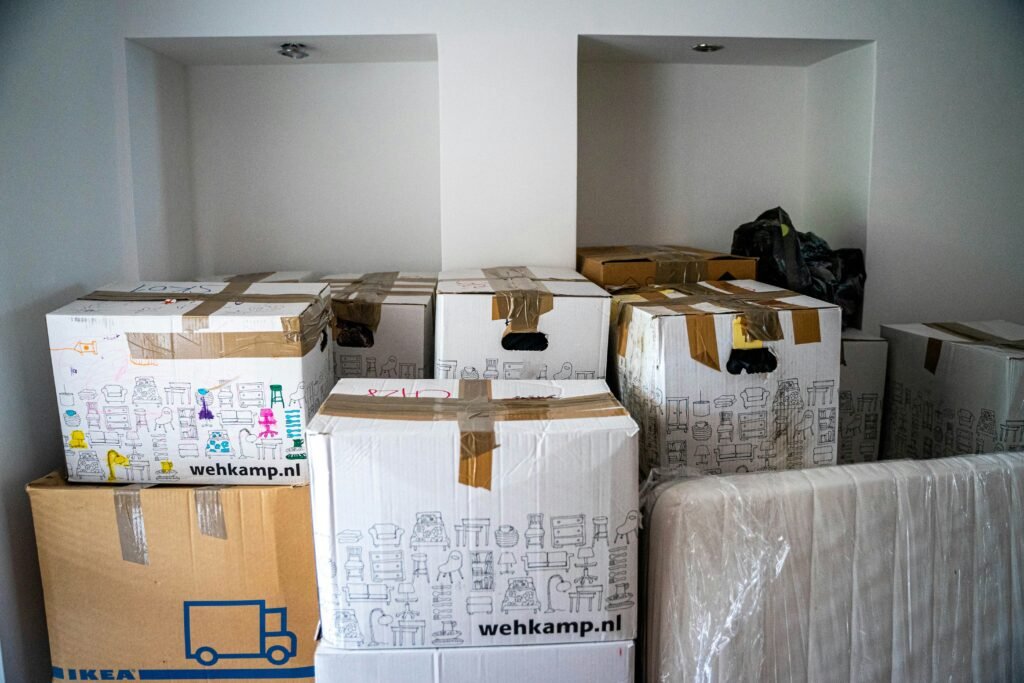
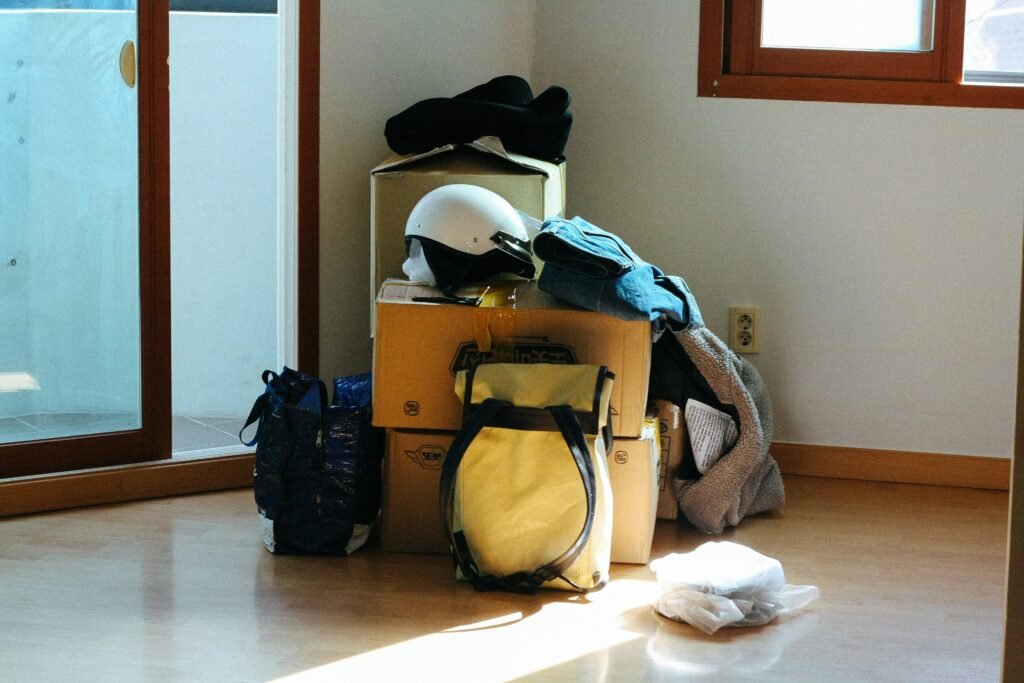
The final week before moving is the time to finish packing, confirm every important arrangement and prepare the belongings that must remain with you. Major decisions should already be made, allowing you to concentrate on practical tasks that protect your schedule and belongings.
Knowing what to do during the final week before moving can prevent missing documents, utility problems, incomplete packing and confusion on moving day. This seven-day plan helps you prioritize the right tasks without trying to complete everything at once.
Final Week Before Moving: Daily Checklist
Use this table as a quick seven-day countdown. You can adjust the order based on your moving date and household needs.
| Time Remaining | Main Tasks |
|---|---|
| Seven days | Confirm all moving details and review your inventory |
| Six days | Finish packing nonessential belongings |
| Five days | Prepare appliances and dispose of restricted items |
| Four days | Confirm utilities, address changes and property access |
| Three days | Pack an essentials box and organize important documents |
| Two days | Clean empty rooms and prepare children and pets |
| One day | Complete a final walkthrough, charge devices and rest |
| Moving morning | Separate personal belongings and review the plan |
Seven Days Before Moving: Confirm the Arrangements
Start the final week by reviewing all the details that could affect moving day.
Confirm the Date and Arrival Time
Verify:
- The moving date
- Expected arrival time
- Pickup and delivery addresses
- Primary contact numbers
- Services included
- Expected charges
- Payment arrangements
- Delivery expectations
- Parking and loading access
- Elevator reservations
Make sure your contact information is correct and that you will be reachable throughout the move.
Report significant inventory changes before moving day. Additional furniture, appliances or boxes could affect the amount of space, labor and time required.
Review Your Household Inventory
Compare your current belongings with the inventory you created earlier. Identify anything that has been sold, donated or added since the original list was prepared.
Photograph valuable furniture, electronics, artwork and fragile belongings. Include images showing their existing condition.
A detailed inventory can help you confirm that everything arrives and document loss or damage.
Check Access to Both Properties
Confirm when you must leave your current property and when you can enter the new one.
Apartment and condominium residents should verify:
- Permitted moving hours
- Elevator reservation
- Loading-area access
- Parking requirements
- Gate or security codes
- Key collection
- Building protection requirements
Do not wait until moving morning to discover that an elevator, loading area or entrance is unavailable.
Six Days Before Moving: Finish Nonessential Packing
Most household belongings should be packed by this stage.
Work through each room and pack anything you will not need during the final week, including:
- Books
- Decorations
- Extra linens
- Seasonal clothing
- Collectibles
- Guest-room belongings
- Rarely used kitchenware
- Entertainment equipment
- Garage and storage items
Keep only essential clothing, toiletries, medication, basic cookware and work-related items available.
For a broader timeline leading up to moving day, follow the complete moving checklist.
Label Every Box Clearly
Each label should include:
- Destination room
- General description of contents
- Box number
- Fragile warning when necessary
- Instructions such as “This Side Up”
Avoid writing the names of expensive products on the outside of boxes.
A numbering system makes tracking easier. If your kitchen boxes are labeled “Kitchen 1 of 7” through “Kitchen 7 of 7,” you can quickly determine whether one is missing.
Keep Boxes at a Safe Weight
Avoid filling large boxes with books or other dense belongings. Use small boxes for heavy items and large boxes for lightweight items such as pillows and bedding.
Fill empty spaces with packing paper or other protective materials to stop contents from shifting.
Five Days Before Moving: Prepare Appliances and Restricted Items
Appliances and household chemicals require special attention.
Prepare Major Appliances
Follow the manufacturer’s instructions when disconnecting or preparing appliances.
Tasks may include:
- Emptying and cleaning the refrigerator
- Using remaining frozen food
- Defrosting the freezer
- Draining the washing machine
- Disconnecting water lines
- Cleaning the oven
- Securing removable appliance parts
- Allowing appliances to dry completely
Some gas or permanently connected appliances may require qualified assistance. Do not attempt a disconnection that you are not trained or authorized to perform.
Identify Items That Cannot Be Transported Normally
Certain materials may present safety risks during transportation, including:
- Gasoline
- Propane
- Fireworks
- Paint thinner
- Pesticides
- Some cleaning chemicals
- Ammunition
- Pressurized containers
- Flammable liquids
- Corrosive substances
Ask about prohibited items before moving day. Follow local waste rules when disposing of chemicals, batteries, paint or other hazardous materials.
Never pour hazardous materials down a drain or leave them behind without the property owner’s permission.
Use Remaining Food
Plan meals around refrigerated, frozen and open pantry products. Avoid buying groceries that will be difficult to transport.
Consider donating unopened, shelf-stable food through an appropriate local nonprofit program.
Four Days Before Moving: Confirm Utilities and Address Changes
Administrative tasks should be completed before the final two days become busy.
Confirm Utility Arrangements
Check the scheduled disconnection or transfer of services at your current home and activation at the new property.
Essential services may include:
- Electricity
- Water
- Gas
- Internet
- Waste collection
- Security services
Try to keep essential services active at the old home through the end of moving day. Schedule electricity and water at the new home to begin before you arrive.
Keep confirmation numbers and account information accessible.
Update Your Address
Notify organizations that need your new address, including:
- Banks and credit-card providers
- Insurance companies
- Employers
- Healthcare providers
- Schools
- Government agencies
- Subscription services
- Membership organizations
USAGov explains how to change your address with the Postal Service and other government services. Mail forwarding can help, but important organizations should also be updated directly.
Depending on where you relocate, you may need to update your driver’s license, vehicle registration and voter registration after arriving.
Confirm Your Travel Plan
Long-distance moves require a clear travel plan. Review:
- Driving route
- Weather conditions
- Fuel or charging stops
- Overnight accommodation
- Meal stops
- Pet-friendly rest areas
- Emergency contacts
- Expected arrival time
The National Weather Service provides current forecasts and safety alerts through Weather.gov. Check the forecast again shortly before departure because conditions can change.
Three Days Before Moving: Prepare Essentials and Documents
Anything you may need immediately should be separated from the general household shipment.
Pack a Moving Essentials Box
Your essentials box should contain enough supplies for the first night and following morning.
| Essentials Category | Items to Consider |
|---|---|
| Personal care | Soap, toothbrushes, toilet paper, towels and toiletries |
| Clothing | Change of clothes, sleepwear and weather-appropriate layers |
| Medication | Prescriptions, basic first aid and medical devices |
| Electronics | Phones, chargers, portable batteries and a flashlight |
| Food | Water, snacks, simple meals and pet food |
| Household supplies | Trash bags, paper towels, cleaning products and basic tools |
| Bedroom | Bedding, pillows and children’s comfort items |
| Documents | Identification, agreements, inventory and property records |
Keep the essentials box with you. When that is not possible, make sure it is loaded last and unloaded first.
Ready.gov offers guidance for assembling a basic emergency supply kit, which can be helpful if travel is delayed or utilities are temporarily unavailable.
Organize Important Documents
Place important records in a secure folder or bag that remains with you.
These may include:
- Driver’s licenses
- Passports
- Birth certificates
- Financial records
- Property documents
- Lease documents
- Moving agreements
- Insurance information
- Medical records
- School records
- Pet records
- Contact information
Do not place original identity or financial documents inside ordinary boxes.
Separate Valuables
Jewelry, money, small electronics, irreplaceable photographs and sentimental belongings should remain under your control whenever possible.
Avoid leaving valuables inside an unattended vehicle, especially overnight.
Two Days Before Moving: Clean and Prepare the Household
Most rooms should now contain packed boxes rather than loose belongings.
Clean Empty Areas
Cleaning rooms as they become empty reduces the amount of work required after loading.
Focus on:
- Cabinets and drawers
- Closets
- Bathrooms
- Baseboards
- Floors
- Appliances
- Storage areas
- Garage
- Outdoor spaces
Keep a small cleaning kit available for the final walkthrough.
Renters should review their move-out requirements and document the property’s condition with photographs after cleaning.
Prepare Furniture
Disassemble furniture that cannot be moved safely in one piece. Photograph the furniture before taking it apart so reassembly is easier.
Place screws, bolts and small hardware in labeled resealable bags. Attach each bag securely to the corresponding furniture or keep all hardware in one marked container.
Protect sharp corners and delicate surfaces. Do not apply adhesive tape directly to finished furniture.
Prepare Children
Explain the moving-day plan in age-appropriate language. Pack a small personal bag for each child containing:
- Clothing
- Snacks and water
- Medication
- Toys or books
- Comfort items
- Electronic devices and chargers
- Basic toiletries
Arrange childcare away from the loading area when possible.
Prepare Pets
Confirm how pets will be kept safe while doors are open. Prepare:
- Carrier or crate
- Leash
- Food and water
- Medication
- Veterinary records
- Waste bags or litter supplies
- Updated identification
- Familiar blanket or toy
A quiet room, trusted caregiver or boarding arrangement can keep pets away from heavy objects and unfamiliar activity.
One Day Before Moving: Complete the Final Preparations
The day before moving should focus on confirmation rather than major packing.
Complete a Room-by-Room Check
Walk through every area and look inside:
- Closets
- Cabinets
- Drawers
- Attic
- Basement
- Garage
- Outdoor storage
- Appliances
- Spaces under beds
- Areas behind doors
Keep personal luggage and belongings that should not be loaded in one clearly separated area.
Charge Your Devices
Fully charge:
- Phones
- Tablets
- Laptops
- Portable batteries
- Flashlights
- Navigation devices
Download important directions and contact details in case mobile service becomes unreliable.
Photograph Electronic Connections
Take photographs of television, computer and entertainment-system connections before disconnecting them.
Label cables and pack them with the corresponding device whenever possible.
Prepare Food and Water
Set aside water, snacks and simple meals for moving day. Choose food that does not require complicated preparation.
Keep a cooler available for items that must remain cold.
Get Enough Rest
Late-night packing can lead to mistakes, injuries and exhaustion. Try to finish early enough to sleep properly.
Prepare comfortable clothing and closed-toe shoes for moving morning.
Moving Morning Checklist
Moving morning should begin with a brief review rather than frantic packing.
Complete the following tasks:
- Eat a practical breakfast and drink water.
- Keep children and pets away from loading areas.
- Separate documents, medication and valuables.
- Confirm access and parking.
- Protect floors and doorways when necessary.
- Review the inventory.
- Keep your phone charged and accessible.
- Identify belongings that should not be loaded.
- Provide clear directions for room labels.
- Keep water available throughout the day.
Review Documents Before Signing
Read paperwork carefully and confirm that the addresses, inventory and requested services are accurate.
Do not sign blank or incomplete documents. Keep copies of everything you sign.
Consumers preparing for an interstate household move can consult the Federal Motor Carrier Safety Administration’s moving checklist and consumer-protection information.
Complete a Final Walkthrough
After everything is removed, inspect every room again. Check cabinets, closets, appliances, storage areas and outdoor spaces.
Record final meter readings when appropriate. Take photographs of the empty property, turn off lights, close windows and lock doors.
Return keys according to your lease or property agreement.
What Should You Not Do During the Final Week?
Certain mistakes can make the last few days unnecessarily difficult.
Avoid:
- Making major changes without updating your plans
- Leaving most packing until the final night
- Mixing important documents with ordinary belongings
- Buying large amounts of groceries
- Packing medication where it cannot be reached
- Ignoring building access requirements
- Assuming utilities have been arranged without confirmation
- Placing hazardous materials in boxes
- Leaving children or pets near loading activity
- Signing documents without reading them
- Packing every cleaning supply before the property is empty
The goal is to reduce uncertainty. Every important arrangement should be confirmed rather than assumed.
When Should Most Packing Be Finished?
Most belongings should be packed two to three days before moving day. The only items left unpacked should be those required for daily life, travel and the first night in the new home.
The exact timing depends on the size of the household. A small apartment may require only a few days of packing, while a large home may require several weeks.
Read how far in advance you should start planning a move to create a realistic preparation timeline.
What If the Moving Date Changes?
Contact everyone affected as soon as the date changes. This may include your property manager, utility providers, employer, school, childcare provider and anyone assisting with the move.
Review whether the change affects:
- Property access
- Utility activation
- Travel reservations
- Parking permits
- Elevator reservations
- Work leave
- Childcare
- Pet care
- Temporary accommodation
For guidance on selecting a replacement date, see how to choose the best date for your move.
Frequently Asked Questions
What should I do one week before moving?
Confirm the schedule, finish most packing, prepare appliances, update your address, arrange utilities and organize the documents and valuables that must remain with you.
Should everything be packed a week before moving?
Not everything needs to be packed. Keep essential clothing, medication, toiletries, basic kitchen supplies and work-related equipment available. Most nonessential belongings should already be boxed.
When should I disconnect my refrigerator?
Follow the manufacturer’s instructions. Refrigerators and freezers usually need time to be emptied, cleaned, defrosted and dried before transportation.
What should I keep out until moving day?
Keep identification, medication, important documents, phones, chargers, toiletries, a change of clothes, cleaning supplies, food, water and pet or child necessities available.
When should I confirm the moving arrangements?
Confirm the main details when the date is scheduled and verify everything again approximately one week before moving. Complete a final confirmation one or two days before arrival.
What should I do the night before moving?
Finish your room-by-room check, charge devices, prepare documents, set aside food and water, confirm the morning schedule and get adequate rest.
What should go in a moving essentials box?
Include toiletries, medication, chargers, clothing, bedding, basic tools, cleaning supplies, snacks, water, pet supplies and anything required during the first night.
The final week becomes much easier when major decisions have already been made. Focus on completing packing, protecting essential belongings and confirming every arrangement that could affect moving day.
Note: Building policies, moving documents, address requirements and waste-disposal rules vary by location. Confirm the requirements for your current and new properties before moving day.