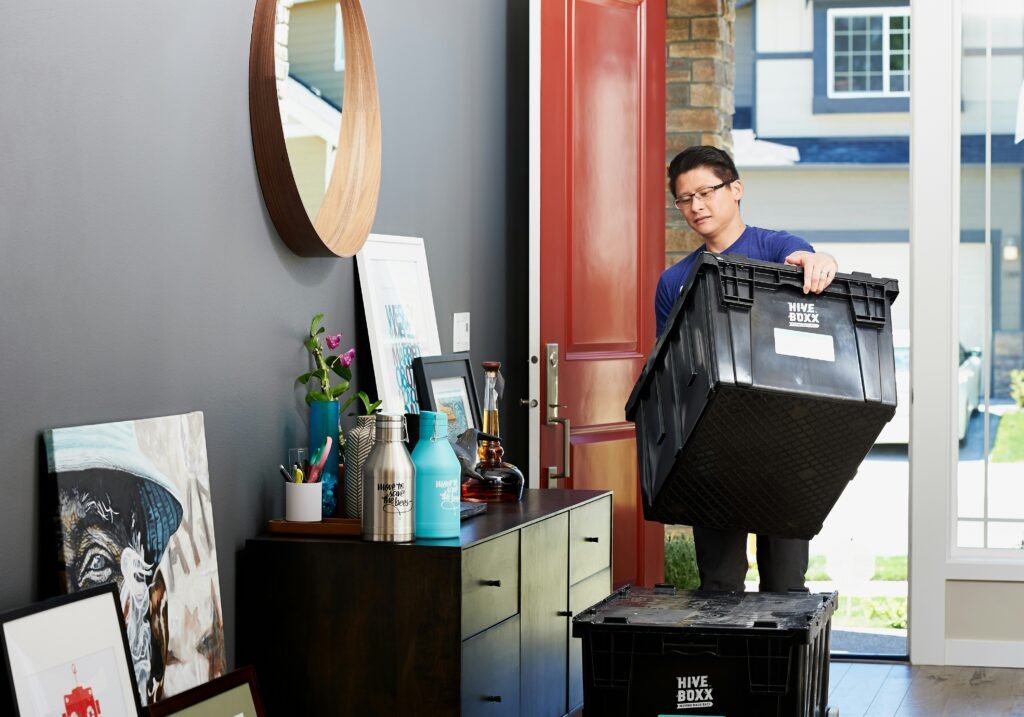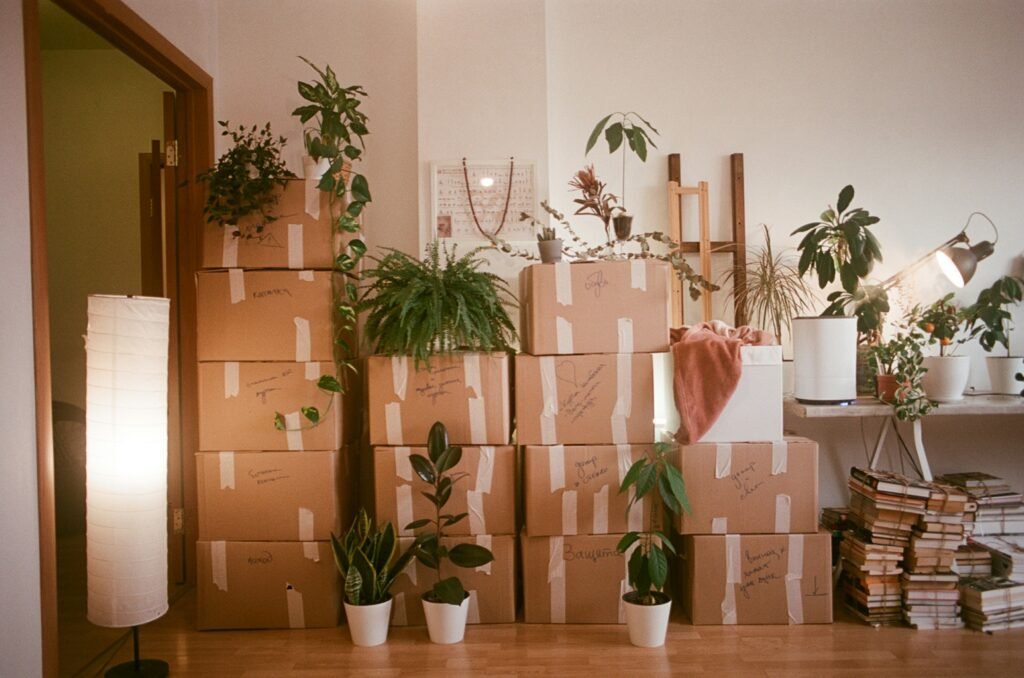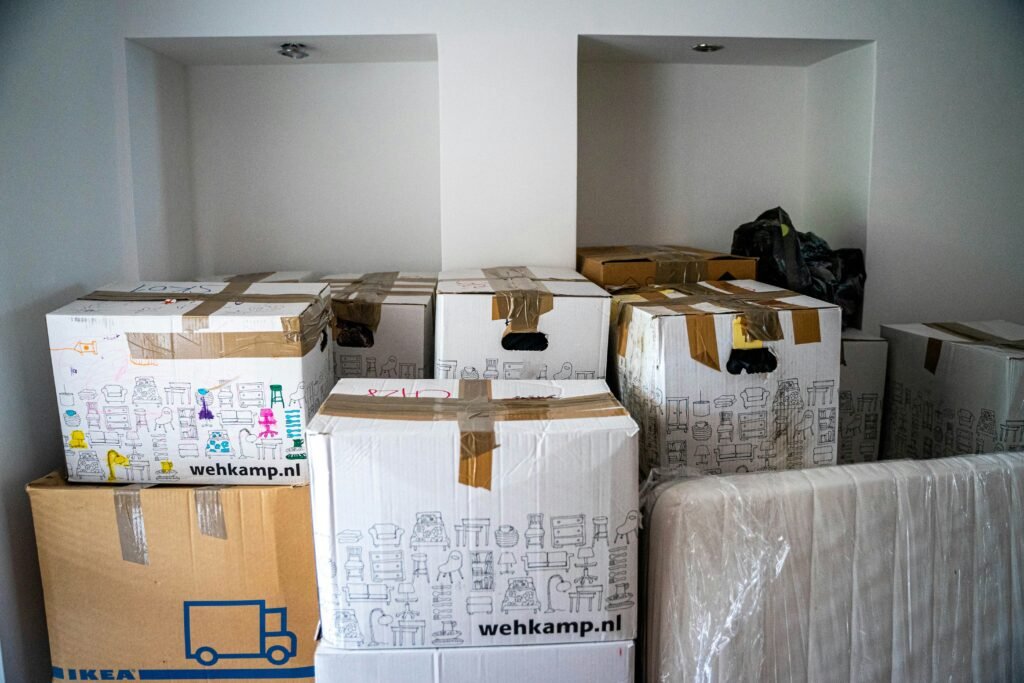

Moving day usually begins early and involves much more than loading boxes into a vehicle. You may need to confirm property access, review paperwork, protect floors, supervise loading, check your inventory and complete a final walkthrough before leaving.
Knowing what to expect on moving day can help you remain organized while several tasks happen at once. This guide explains each stage of the day, from the final morning preparations to inspecting your belongings at the new home.
Moving Day Timeline
Every move is different, but most follow a similar sequence.
| Stage of Moving Day | What Usually Happens | What You Should Do |
|---|---|---|
| Early morning | Final household preparations | Eat, dress safely, secure pets and separate personal belongings |
| Arrival | Introductions and property review | Confirm the plan, access and items being moved |
| Before loading | Paperwork and walkthrough | Review documents and point out fragile or special items |
| Loading | Boxes and furniture leave the property | Monitor the inventory and remain available |
| Final walkthrough | Empty property is inspected | Check every room, record meter readings and secure the home |
| Travel | Belongings are transported | Keep documents, medication and valuables with you |
| Arrival at new home | Property and access are checked | Inspect the home and direct items to their rooms |
| Unloading | Boxes and furniture are delivered | Check inventory and inspect for visible damage |
| After unloading | Paperwork and basic setup | Document problems, unpack essentials and secure the property |
Treat this timeline as a flexible guide. The actual length of moving day depends on the household size, number of belongings, travel distance, building access and weather.
What Time Does Moving Day Usually Begin?
Many moves begin in the morning because an early start provides more daylight and time to respond to delays. Morning temperatures may also be safer during hot weather.
The starting time should be confirmed before moving day. Apartment buildings and condominium communities may restrict moves to particular hours.
Prepare to be ready before the agreed arrival time. Everyone should be dressed, essential belongings should be separated, and most packing should already be complete.
For help organizing the previous seven days, follow our guide to what to do during the final week before moving.
Before Loading Begins
The first part of the morning sets the tone for the rest of the day.
Eat and Stay Hydrated
Moving can involve several hours of physical activity and decision-making. Eat a practical breakfast and keep drinking water available.
Prepare portable snacks that do not require cooking. Avoid packing all your food and drink before the day begins.
Wear Appropriate Clothing
Choose comfortable clothing that allows you to move freely. Wear closed-toe shoes with good traction.
Avoid loose accessories or clothing that could catch on furniture, boxes or equipment.
Your clothing should also be appropriate for the weather. Keep rain gear, warm layers or sun protection accessible when necessary.
Secure Children and Pets
Loading areas can be dangerous for children and animals. Doors may remain open, and people may carry heavy items without a clear view of the pathway.
Arrange childcare or pet care away from the property when possible. Otherwise, designate a secure room that will remain closed and will not be entered during loading.
Place a clear sign on the door so no one opens it accidentally.
Separate Items That Must Stay With You
Create a clearly marked area for belongings that should not be loaded.
Keep the following items with you:
- Identification
- Wallets and money
- Medication
- Important documents
- Keys
- Phones and chargers
- Jewelry and valuables
- Personal electronics
- Travel clothing
- Food and water
- Children’s essentials
- Pet supplies
- Moving paperwork
Use your vehicle, a locked room or another clearly separated space. Tell everyone involved that these belongings are not part of the household shipment.
When Help Arrives
Begin with a brief walkthrough rather than immediately moving boxes.
Confirm the Plan
Verify the pickup and delivery addresses, expected services, access instructions and contact information.
Point out:
- Fragile belongings
- Heavy furniture
- Items requiring disassembly
- Boxes that must remain upright
- Belongings that should not be transported
- Existing property damage
- Narrow doorways or stairs
- Areas that require floor protection
Mention anything that changed after the original arrangements were made. Undisclosed boxes, furniture or access difficulties could affect the schedule.
Ask Questions Before Work Begins
Clarify any remaining uncertainty regarding:
- Loading order
- Inventory process
- Furniture protection
- Expected travel time
- Delivery arrangements
- Payment
- Additional charges
- Reporting damage
- Contact during transportation
Resolve questions before your belongings are loaded, not after the vehicle has left.
Review the Moving Paperwork
Read every document before signing. Make sure the addresses, inventory, requested services and agreed arrangements are accurate.
Do not sign blank or incomplete forms. Keep a copy of everything you sign and store the documents somewhere accessible.
People completing an interstate household move can review the Federal Motor Carrier Safety Administration’s Protect Your Move resources. The agency provides information about moving paperwork, consumer rights and responsibilities.
The Federal Trade Commission also recommends getting information in writing and checking that the inventory used for an estimate accurately describes the belongings being moved. Its consumer guidance explains how to avoid common moving scams.
What Happens During Loading?
Boxes and furniture are normally moved from the property in a planned order. Large or heavy items may be loaded differently from fragile belongings.
Remain Available
Stay close enough to answer questions, but avoid blocking pathways or distracting anyone carrying heavy items.
One adult should act as the main point of contact. Having several household members give conflicting instructions can create confusion.
Monitor the Inventory
Use your household inventory to track belongings as they leave the property.
A useful inventory may include:
| Inventory Detail | Why It Is Helpful |
|---|---|
| Box number | Helps identify missing containers |
| Destination room | Makes unloading more organized |
| General contents | Helps locate essential items |
| Existing condition | Separates previous wear from new damage |
| Photograph | Creates a visual record |
| Special instructions | Identifies fragile or upright-only items |
Make sure numbered boxes remain part of the inventory. Keep photographs of valuable and fragile possessions.
Avoid Packing During Loading
Most packing should be finished before the loading process begins. Last-minute packing can create delays and increase the risk of damage.
When an overlooked item must be packed, label it properly and add it to the inventory.
Protect the Property
Floors, walls, doors and stair rails may need protection. Keep pathways clear and remove rugs, cords or other tripping hazards.
Watch for damage to both the building and belongings, but remain a safe distance from anyone carrying furniture.
Do Not Attempt Unsafe Lifting
Moving day is not the time to test whether you can lift an object that is too heavy or awkward.
Use appropriate equipment and assistance. Avoid lifting with your back, twisting while carrying weight or attempting to move large furniture alone.
How Long Does Loading Take?
Loading time depends on several variables:
- Size of the household
- Number of boxes
- Amount of furniture
- Number of people helping
- Distance between the home and vehicle
- Stairs or elevators
- Parking availability
- Weather
- Furniture disassembly
- Special items
- How well the household was prepared
A well-packed small apartment may be loaded relatively quickly. A large home with difficult access can take most of the day.
Do not schedule important appointments immediately after the expected loading time. Build flexibility into the day.
Completing the Final Walkthrough
Walk through the entire property after everything has been removed.
Check:
- Closets
- Cabinets
- Drawers
- Attic
- Basement
- Garage
- Outdoor storage
- Behind doors
- Under stairs
- Inside appliances
- Spaces under beds
- Balconies and patios
- Utility areas
Small belongings are often left inside drawers, high shelves and storage areas.
Document the Property’s Condition
Take photographs or video of each empty room. Record existing damage and the condition after cleaning.
Renters may need this record for a move-out inspection or security-deposit discussion. Home sellers may also want documentation showing the property’s condition when possession changed.
Record Meter Readings
Record final electricity, gas or water readings when appropriate. Photograph the meters so you have a dated visual record.
Keep utility confirmation numbers and final bills.
Secure the Property
Before leaving:
- Close and lock windows.
- Turn off lights.
- Adjust the thermostat as required.
- Remove trash.
- Lock exterior doors.
- Return keys according to the agreement.
- Confirm that nothing remains outside.
Do not leave keys in an unapproved location.
During Transportation
Keep important belongings in your personal vehicle or luggage.
Follow a Planned Route
Long-distance moves require extra preparation. Review:
- Weather conditions
- Traffic and road closures
- Fuel or charging locations
- Overnight accommodation
- Food and rest stops
- Pet-friendly stops
- Emergency contacts
- Expected arrival time
The National Weather Service provides current forecasts and warnings through Weather.gov. Check conditions along the entire route rather than only at the starting point.
Keep Emergency Supplies Available
Carry water, food, medication, chargers, a flashlight, basic first aid and appropriate clothing.
Ready.gov provides guidance for building an emergency supply kit. These supplies can be useful when travel is delayed or severe weather affects the route.
Maintain Communication
Keep the relevant contact numbers accessible. Inform the appropriate person if your travel is delayed or your expected arrival time changes.
Do not assume everyone automatically knows about a schedule change.
Arriving at the New Home
Inspect the new property before unloading begins.
Confirm Access
Make sure keys, gate codes, elevators, loading areas and parking are available as planned.
Keep entrances clear and ensure pets and children remain away from unloading paths.
Inspect the Property
Look for urgent concerns, including:
- Water leaks
- Electrical problems
- Broken locks
- Damaged stairs
- Loose railings
- Blocked entrances
- Broken windows
- Pest activity
- Unfinished repairs
Photograph problems before furniture and boxes cover the area. Renters should report significant issues to the property manager promptly.
Check Essential Services
Confirm that electricity and water are working. Depending on the season, also check heating or cooling.
Locate:
- Electrical panel
- Water shutoff valve
- Smoke alarms
- Carbon monoxide alarms
- Fire extinguisher
- Emergency exits
Do not wait for an emergency to learn where these are located.
Directing the Unloading Process
Clear labels make unloading faster and more organized.
Assign Rooms
Place a sign on each room that matches the labels on your boxes. This is particularly helpful when room purposes are not obvious.
Direct furniture to its intended location before it is fully assembled. Moving heavy pieces again later creates extra work.
Check Items Against the Inventory
Mark each item as it arrives. Pay particular attention to:
- Numbered boxes
- Furniture
- Electronics
- Artwork
- Appliances
- Fragile items
- Belongings requiring special handling
Do not rely solely on memory. A written inventory makes missing items easier to identify.
Inspect for Visible Damage
Look for:
- Crushed or torn boxes
- Broken furniture
- Scratches
- Water damage
- Missing parts
- Damaged appliances
- Broken glass
- Signs that a box was opened
Document concerns before discarding packaging or moving the item again.
What Happens After Unloading?
Review the property and inventory before the moving process is considered complete.
Document Missing or Damaged Belongings
Take photographs of damage from several angles. Keep the damaged item and its packaging until you understand the reporting requirements.
Write down:
- Item description
- Inventory number
- Type of damage
- Time the damage was noticed
- Relevant document numbers
- Any conversations about the problem
Moving agreements may contain reporting procedures and deadlines. Review the applicable documents promptly.
Review the Final Paperwork
Check that the services listed match what was provided. Ask about any unexpected charge before making or confirming payment.
Keep receipts, agreements and inventory records together. Do not discard them simply because the belongings have arrived.
Secure the New Home
Confirm that all exterior doors and windows lock properly. Consider changing or rekeying exterior locks when permitted and appropriate.
Keep keys, access codes and garage controls in a secure place.
What Should You Unpack First?
Do not try to unpack the entire household on moving day. Start with the items required for safety, hygiene and sleep.
A practical order is:
- Medication and medical equipment
- Bathroom supplies
- Bedding
- Children’s essentials
- Pet supplies
- Food and drinking water
- Phone and computer chargers
- Basic kitchen items
- Work or school necessities
- Clothing for the following day
The essentials box prepared during the final week should contain most of these belongings.
Use the complete moving checklist to organize the tasks that remain after arrival.
Common Moving-Day Delays
Even a carefully planned move can experience delays.
| Cause of Delay | How to Prepare |
|---|---|
| Poor parking access | Confirm loading areas and permits in advance |
| Elevator problems | Reserve the elevator and confirm the schedule |
| Unfinished packing | Complete most packing several days beforehand |
| Additional belongings | Update the inventory before moving day |
| Severe weather | Monitor forecasts and maintain a backup plan |
| Traffic or road closures | Check the route and allow extra travel time |
| Delayed property access | Confirm key collection and possession time |
| Furniture that will not fit | Measure doorways, stairs and furniture |
| Missing documents | Keep all paperwork in one accessible folder |
| Children or pets in loading areas | Arrange care or establish a secure room |
A delay does not always mean something has gone wrong. Delivery windows, building access and transportation conditions can all affect the schedule.
Moving Day Safety Tips
Protecting people is more important than completing the move quickly.
- Keep walkways clear.
- Use closed-toe footwear.
- Keep children and pets away from loading areas.
- Drink water regularly.
- Use appropriate lifting equipment.
- Do not carry more than you can manage safely.
- Avoid standing behind a reversing vehicle.
- Do not climb on unstable furniture or boxes.
- Keep medications and emergency contacts available.
- Stop when severe weather makes conditions unsafe.
Report dangerous conditions immediately rather than trying to work around them.
Frequently Asked Questions
Should I help with loading on moving day?
Your role should be established beforehand. When professional help is handling the move, remain available to answer questions and monitor the inventory without interfering with safe work. During a self-managed move, agree on lifting responsibilities before beginning.
Do I need to be present during the entire move?
A responsible adult should generally remain available during loading and unloading. That person can answer questions, review documents, monitor the inventory and authorize decisions.
What should I keep with me?
Keep identification, medication, documents, valuables, keys, phones, chargers, food, water, clothing and essential supplies with you.
What should I wear on moving day?
Wear comfortable, weather-appropriate clothing and closed-toe shoes with good traction. Avoid loose accessories that could become caught.
What time should a move begin?
Morning is often practical because it provides more daylight and time to respond to delays. The actual starting time should comply with property and building requirements.
How long does moving day take?
A small local move may take several hours, while a large or long-distance move may require a full day or multiple days. Household size, access, distance and preparation all affect the duration.
What happens when belongings are damaged?
Document the damage immediately, preserve packaging and review the reporting procedure in your moving documents. Do not wait to investigate applicable deadlines.
Should I pay before or after the move?
Payment timing depends on the written agreement and type of move. Review the terms before moving day, understand the accepted payment method and question unexpected changes before paying.
What should I do the night after moving?
Set up beds and bathrooms, unpack medication and essential food, secure the property and rest. Nonessential boxes can wait until the following days.
Careful preparation allows you to focus on supervision and safety rather than unfinished packing. Confirm the plan, keep essential belongings with you and use a written inventory from the moment loading begins until the final item reaches its correct room.
Note: Moving procedures, paperwork, building policies and consumer protections vary by location and type of move. Review your written agreements and confirm the requirements for both properties before moving day.