
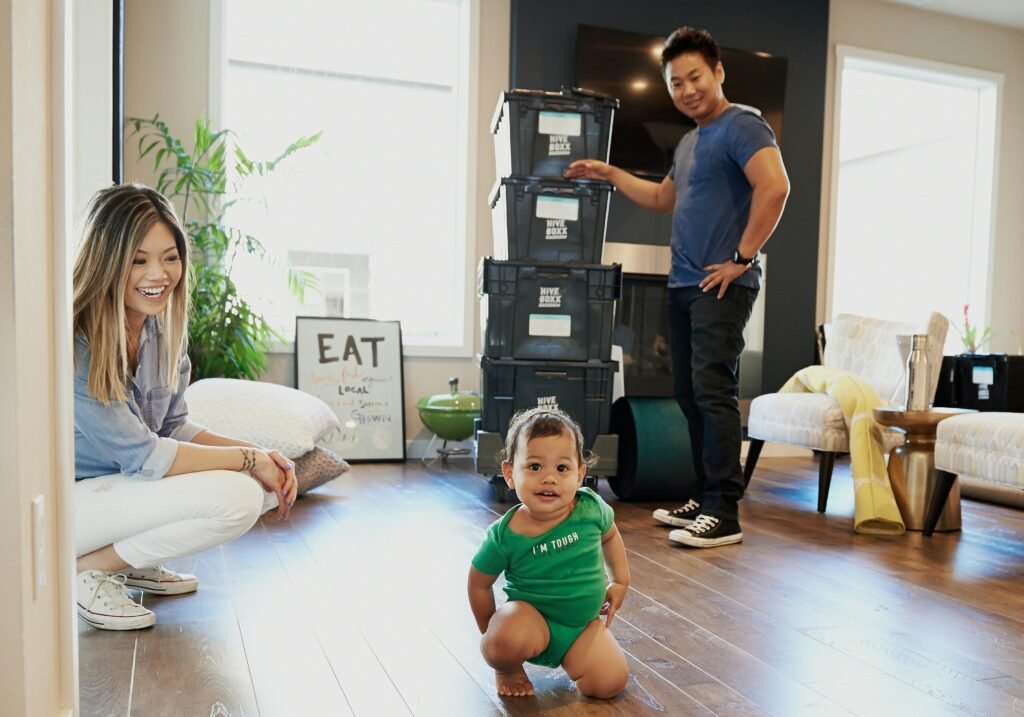
Moving can be exciting for adults while still feeling uncertain or upsetting to children. A new home may also mean leaving friends, changing schools, giving up familiar routines and adjusting to an unfamiliar neighborhood.
Children usually benefit from clear explanations, opportunities to participate and predictable routines before and after the move. Learning how to move with children involves both practical planning and paying attention to how each child responds to change.
Moving With Children by Age
Children at different ages may understand and respond to moving differently.
| Age Group | How to Prepare Them | What May Help on Moving Day |
|---|---|---|
| Infants | Maintain familiar feeding and sleep routines | Keep food, diapers, medication and comfort supplies accessible |
| Toddlers | Use simple explanations and show pictures of the new home | Arrange a safe caregiver or child-free loading area |
| Preschoolers | Explain what will stay the same and let them pack a small box | Keep familiar toys and comfort items nearby |
| Elementary-age children | Discuss the timeline, school and new neighborhood | Give them a clear plan and age-appropriate responsibility |
| Preteens | Include them in room and activity decisions | Keep communication, entertainment and personal items accessible |
| Teenagers | Discuss school, friendships and social concerns honestly | Give them privacy, responsibility and ways to stay connected |
Age is only one factor. Personality, previous experiences, developmental needs and the circumstances behind the move can all affect a child’s reaction.
Tell Children About the Move at the Right Time
Children should generally learn about the move early enough to process the change and ask questions. Avoid letting them discover it accidentally through overheard conversations or packed boxes.
The exact timing depends on:
- The child’s age
- How certain the move is
- The moving timeline
- Whether the child will change schools
- Family circumstances
- The child’s understanding of time
Young children may not understand a move scheduled several months away. Older children may need more notice to process the change, speak with friends and prepare for school transitions.
Use clear, honest language. Avoid promising that everything will be perfect or exactly the same.
Explain What Will Change and What Will Stay the Same
Children may focus on losing familiar parts of their lives.
Explain what will change:
- Home
- Bedroom
- School
- Neighborhood
- Daily travel
- Nearby friends or relatives
Then explain what will remain:
- Family relationships
- Favorite belongings
- Household routines
- Hobbies
- Celebrations
- Contact with important people when possible
Young children may need to hear these explanations more than once.
Invite Questions
Children may ask practical questions such as:
- Where will I sleep?
- Will I attend a new school?
- Can I take my toys?
- What will happen to my friends?
- Can our pet come?
- Will I still play the same sport?
- How long will the journey take?
- Who will live in our old home?
Answer what you know. When the answer is uncertain, explain how and when the family will find out.
Do not dismiss a concern because it seems small to an adult.
Involve Children in Age-Appropriate Decisions
Children cannot decide every aspect of the move, but limited choices can give them a useful sense of participation.
They may help choose:
- Bedroom color
- Bedding
- Which toys travel personally
- How boxes are labeled
- Decorations for the new room
- A first meal in the new home
- A family activity after arrival
- Which belongings to donate
Avoid placing adult financial or housing decisions on children. Their role should be meaningful without making them responsible for the move.
Visit the New Area When Possible
A visit can make the destination feel more familiar.
Show children:
- New home
- School
- Playground
- Library
- Recreation center
- Walking routes
- Grocery store
- Nearby relatives or friends
When an in-person visit is not practical, use photographs, maps and school information.
HealthyChildren.org, a resource from the American Academy of Pediatrics, recommends visiting a new school or attending orientation when possible because familiarity can make the first day less uncertain. Its back-to-school guidance offers additional preparation ideas.
Plan the School Transition Early
Contact the current and future schools well before moving.
Ask about:
- Enrollment requirements
- School boundaries
- Required identification
- Proof of address
- Academic records
- Immunization records
- Course placement
- Transportation
- Meals
- Extracurricular activities
- Special education services
- Language support
- Counseling services
Transfer Important Records
Records may include:
- Report cards
- Transcripts
- Attendance information
- Test results
- Individualized Education Program documents
- Accommodation plans
- Health records
- Immunization records
- Extracurricular information
The U.S. Department of Education explains that education records may be transferred to another school when a student seeks or intends to enroll there. Parents also have rights regarding access to student records under FERPA.
Keep copies of important documents with you rather than placing them inside ordinary moving boxes.
Help Children Say Goodbye
Goodbyes allow children to recognize that an important part of life is changing.
Depending on the child and circumstances, consider:
- Small gathering with friends
- Photographs of familiar places
- Contact-information exchange
- Signed notebook or memory book
- Final visit to a favorite park
- Farewell to teachers
- Planned video calls
- A map showing both locations
Do not force a child into a public farewell they do not want. Some may prefer a quiet goodbye with one or two close friends.
Declutter Children’s Belongings Carefully
Moving is a useful time to sort toys, clothing and books, but children may experience the process differently from adults.
Involve Them When Appropriate
Ask children to help identify:
- Outgrown clothing
- Broken toys
- Duplicate belongings
- Books they no longer read
- Items they would like to donate
- Favorite belongings that must remain accessible
Do not secretly discard valued possessions simply because they appear unimportant.
Set Reasonable Limits
A child may not need to keep every school paper or toy. Consider:
- One memory box
- Photographs of bulky projects
- A defined number of favorite toys
- Donation of usable items
- Recycling damaged materials
Read how to declutter your home before moving for a complete room-by-room process.
Let Children Pack a Personal Box
Give each child a clearly labeled container for belongings they want to find immediately.
Possible contents include:
- Favorite toys
- Books
- Photographs
- Small decorations
- Art supplies
- Comfort items
- Familiar blanket
- Bedroom night-light
Keep the box manageable and separate from valuables or medication.
For young children, an adult should review the contents before sealing it.
Prepare a Child’s Moving-Day Bag
Each child should have a personal bag that remains accessible.
| Category | What to Pack |
|---|---|
| Clothing | Change of clothes, sleepwear, underwear and socks |
| Food | Water, snacks and any necessary feeding supplies |
| Medication | Prescriptions and medical instructions |
| Comfort | Favorite toy, blanket or stuffed animal |
| Entertainment | Books, games, headphones and electronic device |
| Hygiene | Wipes, tissues, toothbrush and other toiletries |
| Travel | Jacket, travel pillow and motion-sickness supplies when appropriate |
| School | Essential documents or immediate school supplies |
Babies and toddlers may also need diapers, formula, bottles, changing supplies and a portable sleeping arrangement.
Use our guide on what to pack in a moving day essentials box for the rest of the household.
Arrange Childcare for Moving Day
Loading and unloading areas can be unsafe for children. Doors may remain open, furniture may block visibility and people may carry heavy objects.
When possible, arrange for children to stay with a trusted caregiver away from the property.
When that is not possible:
- Designate one adult to supervise.
- Use a secure room away from loading.
- Keep doors and windows secured.
- Remove small choking hazards.
- Provide food and entertainment.
- Place a sign on the door.
- Do not allow children to play around vehicles.
The CDC notes that dangerous situations can happen quickly with toddlers, making close supervision particularly important.
Maintain Safe Sleeping Arrangements
Cribs, beds and safety equipment should be prepared correctly rather than improvised because moving day is busy.
Keep necessary:
- Crib components
- Mattress
- Bedding
- Safety rails
- Baby monitor
- Night-light
- Sleepwear
- Comfort item
Label hardware and follow manufacturer instructions when disassembling and rebuilding children’s furniture.
Do not use damaged furniture or substitute unsafe temporary sleep arrangements.
Maintain Familiar Routines
A move can disrupt meals, naps, bedtime, homework and activities.
Try to preserve:
- Regular sleep times
- Familiar bedtime routine
- Usual meals
- Medication schedule
- Reading time
- Favorite family activities
- Reasonable limits on screens
- Contact with important people
The CDC notes that healthy development is supported by a safe, caring home, family interaction, nutrition and sleep.
Perfection is not necessary. Predictability is the goal.
Plan the Journey Around Children’s Needs
Long-distance travel requires rest, food and opportunities to move safely.
Plan:
- Regular breaks
- Meals and snacks
- Bathroom stops
- Diaper changes
- Medication times
- Overnight accommodation
- Safe seating
- Weather-appropriate clothing
- Entertainment
Do not pack every child-related item inside the household shipment.
Keep emergency contacts, healthcare information and essential medication with you.
Prepare for Travel Delays
Weather, traffic or vehicle problems can extend the journey.
Keep:
- Extra water
- Shelf-stable food
- Additional clothing
- Medication
- Blankets
- Flashlight
- Portable batteries
- First-aid supplies
- Hygiene items
- Emergency contacts
Ready.gov provides a family-oriented emergency supply kit checklist.
Adjust emergency supplies for each child’s age, medical needs and dietary requirements.
What to Expect on Moving Day With Children
A clear moving-day schedule can reduce confusion.
| Stage | What Children Need |
|---|---|
| Early morning | Breakfast, comfortable clothing and an explanation of the day |
| During loading | Direct supervision and a safe location |
| Before leaving | Bathroom break, food, medication and comfort item |
| During travel | Regular stops, entertainment and predictable communication |
| On arrival | A safe room, food, familiar belongings and reassurance |
| First night | Bedding, toiletries, quiet time and familiar bedtime routine |
Children should know which adult to approach when they need something.
Our guide on what to expect on moving day explains the full loading and delivery process.
Set Up the Child’s Room Early
The entire home does not need to be unpacked immediately, but creating a recognizable sleeping space can help.
Prioritize:
- Bed and bedding
- Comfort items
- Clothing
- Night-light
- Favorite books or toys
- School supplies
- Necessary medication
Allow older children to help arrange their rooms.
Do not pressure the room to look finished on the first day. Basic comfort and safety matter more.
Make the New Home Safe
Inspect the property before children explore freely.
Check:
- Exterior doors
- Windows
- Stairs
- Railings
- Smoke alarms
- Carbon monoxide alarms
- Electrical outlets
- Cleaning chemicals
- Medicine storage
- Blind cords
- Heavy furniture
- Water temperature
- Outdoor hazards
HealthyChildren.org provides home-safety guidance for families with young children, including precautions around stairs and other household risks.
Boxes can create unstable stacks and blocked walkways. Keep them away from children’s sleeping and play areas.
Explore the Neighborhood Together
Help children become familiar with their surroundings gradually.
Visit:
- School
- Library
- Park
- Recreation center
- Grocery store
- Healthcare facility
- Safe walking routes
Teach children the new address and how to contact a parent or caregiver when age appropriate.
Walk routes together before allowing independent travel.
Help Children Maintain Important Relationships
Leaving friends may be one of the most difficult parts of moving.
Depending on age and family preferences, children may stay connected through:
- Video calls
- Telephone calls
- Messages
- Letters
- Online games
- Planned visits
- Shared photographs
Set realistic expectations. Daily contact may gradually decrease as new routines develop, but planned communication can make the initial transition easier.
Encourage New Connections Without Pressure
Children need opportunities to meet others, but they may not form new friendships immediately.
Consider:
- School activities
- Sports
- Clubs
- Library programs
- Recreation centers
- Community events
- Faith communities
- Neighborhood activities
Let the child choose activities that genuinely interest them. Avoid filling every free hour in an attempt to replace old friendships quickly.
Watch for Signs of Stress
Children may show stress through behavior rather than direct conversation.
Possible reactions include:
- Irritability
- Clinginess
- Sleep changes
- Appetite changes
- Withdrawal
- Difficulty concentrating
- Increased worries
- Regression in younger children
- Reluctance to attend school
- Frequent physical complaints
Some adjustment is expected. Provide time, reassurance and routine.
When symptoms are severe, persist, interfere with daily functioning or raise concerns about the child’s safety, seek guidance from an appropriate healthcare professional or school support provider.
The CDC provides general information about healthy ways to cope with stress.
Support Children With Disabilities or Additional Needs
Children with disabilities, chronic health conditions or learning needs may require additional planning.
Contact the new school and healthcare providers early. Carry copies of:
- Individualized Education Program
- Accommodation plan
- Evaluations
- Medication instructions
- Therapy information
- Assistive-technology details
- Emergency plan
- Provider contact information
Federal law addresses the transfer of certain special-education records when a child changes schools, but families should still maintain accessible copies.
Prepare the new home for mobility, sensory and medical needs before arrival when possible.
First-Week Routine
The first week should balance necessary tasks with rest.
| Priority | Suggested Action |
|---|---|
| Sleep | Reestablish a consistent bedtime |
| Meals | Return to familiar eating times |
| School | Confirm enrollment, transportation and supplies |
| Safety | Review the home and neighborhood |
| Connection | Contact friends or relatives |
| Exploration | Visit one or two useful local places |
| Personal space | Let the child arrange familiar belongings |
| Conversation | Ask open-ended questions without pressure |
| Rest | Avoid overscheduling the week |
Children may need quiet time after travel and moving-day activity.
Common Mistakes When Moving With Children
Avoid:
- Waiting until the last moment to tell them
- Dismissing their concerns
- Making promises you cannot guarantee
- Secretly discarding valued belongings
- Packing medication inside the household shipment
- Leaving children unsupervised near loading areas
- Changing every routine at once
- Scheduling too many activities after arrival
- Expecting immediate excitement
- Comparing siblings’ reactions
- Forgetting school and medical records
- Leaving no familiar items accessible
- Pressuring children to make friends immediately
Children in the same family may respond very differently to the same move.
Frequently Asked Questions
When should I tell my child about the move?
Tell children early enough to process the change and ask questions. The exact timing depends on age, certainty of the move and how soon it will happen.
Should children help with packing?
Age-appropriate participation can be helpful. Children can sort toys, decorate labels or pack a personal box while adults handle fragile, heavy and hazardous belongings.
Should we move during the school year or summer?
Both options have advantages and disadvantages. Summer may reduce academic disruption, while a school-year move may allow the child to enter a new routine immediately.
What should a child keep during moving day?
Keep clothing, medication, food, water, comfort items, toiletries and entertainment accessible.
How can I make the first night easier?
Set up beds, unpack familiar belongings, provide a simple meal and follow the usual bedtime routine as closely as possible.
How can children stay connected with old friends?
Plan calls, messages, letters or visits based on the child’s age and family preferences. Set realistic expectations about how often communication will occur.
What if my child does not like the new home?
Acknowledge the feeling without insisting on immediate enthusiasm. Give the child time, maintain routines and allow participation in arranging personal space.
When should I seek additional support?
Consider speaking with a pediatrician, mental-health professional or school counselor when distress is intense, persistent or interferes with sleep, school, relationships or daily functioning.
Moving with children becomes more manageable when they understand what is happening and retain familiar routines, belongings and relationships. Give each child honest information, meaningful choices and enough time to adjust at their own pace.
Note: Every child responds differently to moving. This article provides general planning information and is not a substitute for individualized medical, developmental, educational or mental-health advice.