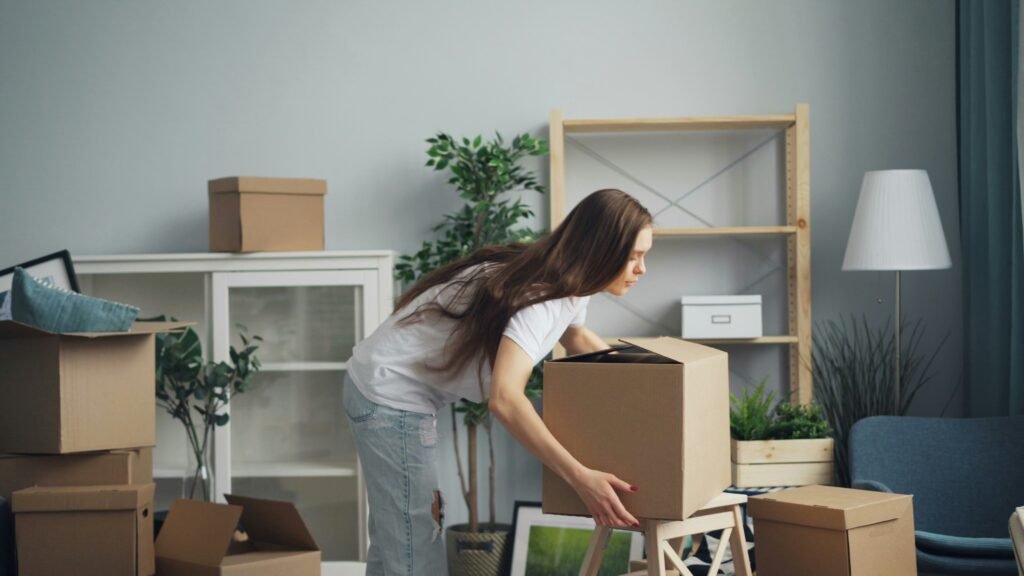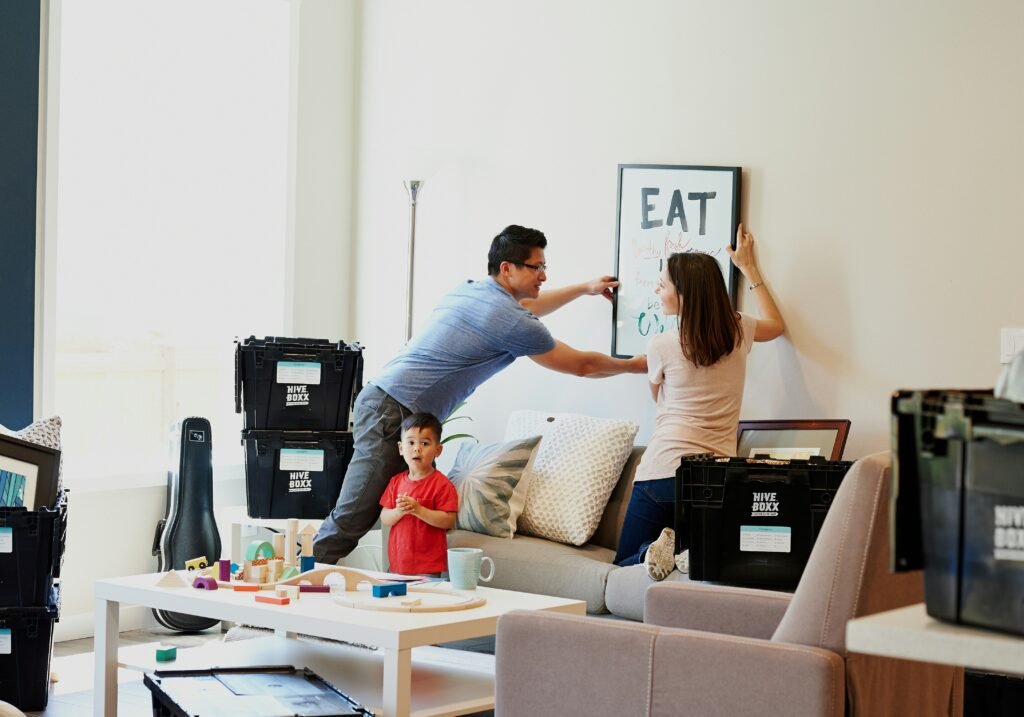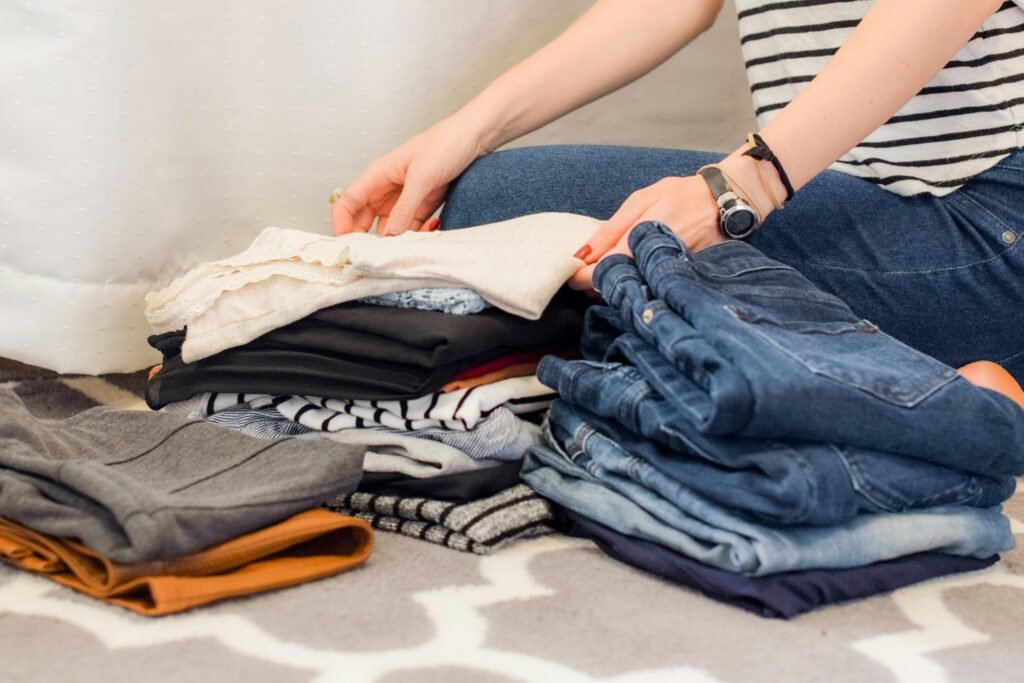

Packing an entire house becomes much easier when you follow a deliberate order. Start with storage areas and belongings you rarely use, then work toward bedrooms, bathrooms and the kitchen. Everyday essentials should remain available until the final few days.
Learning how to pack a house for moving room by room can prevent mixed boxes, damaged belongings and last-minute confusion. This guide explains what to pack first, which supplies to use and how to prepare each part of your home.
Room-by-Room Packing Overview
Use this table to decide where to begin and when each room should be packed.
| Room or Area | When to Start | What to Pack First | What to Pack Last |
|---|---|---|---|
| Attic, basement and storage | 6–8 weeks before | Decorations, stored belongings and seasonal items | Tools and cleaning supplies |
| Garage | 4–6 weeks before | Sports equipment and rarely used tools | Basic tools and moving equipment |
| Guest room | 4–6 weeks before | Decorations, books and extra linens | Bedding if the room is still needed |
| Living room | 3–4 weeks before | Books, artwork and decorations | Electronics and daily-use furniture |
| Dining room | 3–4 weeks before | Special dishes, décor and extra linens | Everyday dining items |
| Bedrooms | 2–4 weeks before | Seasonal clothing and decorations | Daily clothing and bedding |
| Home office | 2–3 weeks before | Files, books and spare equipment | Computer and essential documents |
| Kitchen | 2–3 weeks before | Rarely used cookware and appliances | Daily dishes, food and cleaning supplies |
| Bathrooms | 1–2 weeks before | Extra towels and unopened products | Medication and daily toiletries |
| Outdoor areas | 2–4 weeks before | Furniture and seasonal equipment | Items used for property maintenance |
Adjust this schedule according to the size of your household. A lightly furnished apartment may require only a few days, while a large home with several storage areas may take weeks.
Declutter Before You Pack
Packing unwanted belongings wastes supplies, vehicle space and time. Sort each room before placing anything in a box.
Create four groups:
- Keep
- Sell
- Donate
- Recycle or discard
Ask whether each item fits your new home, is still useful and would cost more to transport than replace.
Pay particular attention to furniture, duplicate kitchenware, old clothing and belongings stored for years without being used.
Complete the decluttering process before preparing your final inventory or written moving estimate. Removing major items afterward may affect the accuracy of your arrangements.
Gather the Right Packing Supplies
Using suitable materials can reduce shifting, crushing and exposure to moisture.
You may need:
- Small boxes
- Medium boxes
- Large boxes
- Wardrobe boxes
- Dish or glass dividers
- Packing paper
- Bubble cushioning
- Strong packing tape
- Permanent markers
- Labels
- Resealable bags
- Stretch wrap
- Mattress bags
- Furniture covers
- Moving blankets
- Plastic bins for sensitive items
Use small boxes for heavy belongings and large boxes for light items. A large box filled with books can become unsafe to lift and may break under its own weight.
The Library of Congress recommends choosing boxes that are not too large when packing books because oversized boxes can become too heavy to handle safely.
Create a Packing System
A consistent system makes unloading and unpacking easier.
Label Every Box
Each box label should contain:
- Destination room
- General contents
- Box number
- Fragile warning when needed
- Orientation instructions
- Unpacking priority
For example:
Kitchen — Baking Supplies — Box 4 of 9 — Open Later
Avoid writing the names of valuable electronics or other expensive belongings on the outside.
Number the Boxes
Number boxes by room so you can quickly identify anything missing.
Examples include:
- Kitchen 1 of 9
- Bedroom 1 of 6
- Office 1 of 4
Record each number in a household inventory.
Use a Priority Code
A simple priority system can help:
| Priority | Meaning |
|---|---|
| Open first | Needed during the first day |
| Open soon | Needed during the first week |
| Open later | Seasonal, decorative or rarely used |
Place the priority on more than one side so it remains visible when boxes are stacked.
How to Pack the Attic, Basement and Storage Areas
Storage areas should usually be packed first because they contain belongings you do not use every day.
Sort Before Packing
These areas often contain forgotten, damaged or unwanted items. Do not transfer every stored box directly to your new home without reviewing it.
Check for:
- Water damage
- Mold
- Pest activity
- Broken furniture
- Expired products
- Unlabeled containers
- Items that should not be transported
Repack Weak Boxes
Boxes stored for several years may have weakened from moisture, dust and pressure. Transfer the contents into strong containers.
Label old photographs, family documents and sentimental belongings carefully. Consider transporting irreplaceable items personally.
Keep Weight Manageable
Books, records, tools and stored documents can make boxes extremely heavy. Divide them among smaller containers and fill empty spaces to prevent shifting.
How to Pack the Garage
Garages frequently contain sharp, heavy, flammable or restricted items, making them one of the most complicated areas to pack.
Sort Tools
Clean dirt and oil from tools before packing. Place small hand tools in a strong box and protect sharp edges.
Remove detachable parts when appropriate and keep related hardware in labeled bags.
Prepare Outdoor Equipment
Drain fuel from applicable equipment according to the manufacturer’s instructions and local requirements. Clean grass, soil and debris from garden tools.
Do not pack fuel, propane or other flammable materials with ordinary household goods.
Identify Hazardous Products
Products such as paints, cleaners, oils, pesticides and batteries may require special handling or disposal. The Environmental Protection Agency provides guidance on household hazardous waste.
Contact your city or county waste authority for local disposal options. Do not pour chemicals down drains or place them in ordinary trash unless local rules permit it.
How to Pack the Guest Room
A guest room is often one of the easiest spaces to complete early.
Pack:
- Decorations
- Books
- Extra bedding
- Unused clothing
- Lamps
- Wall art
- Spare toiletries
Wash and dry bedding before packing it. Use sealed containers or bags to protect linens from dust and moisture.
When the guest room is no longer needed, use it as a temporary staging area for completed boxes. Keep walkways clear and avoid stacking boxes where they could fall.
How to Pack the Living Room
Living rooms often contain a combination of furniture, electronics, books, artwork and fragile decorations.
Books
Use small, strong boxes. Place large and heavy books at the bottom.
Books can be packed flat or vertically with the spine down. Fill gaps with packing paper so they do not shift.
Artwork and Mirrors
Use appropriately sized boxes and corner protection. Do not place loose artwork flat beneath other belongings.
Mark boxes clearly as fragile and indicate the correct upright direction. Valuable or irreplaceable artwork may require specialized preparation.
Lamps
Remove shades and light bulbs. Pack shades separately without placing heavy objects on top.
Wrap lamp bases and secure cords so they do not scratch surfaces.
Electronics
Photograph cable connections before disconnecting equipment. Label each cable and place remote controls, stands and hardware in marked bags.
Use the original packaging when it remains in good condition. Otherwise, select a sturdy box with enough cushioning on every side.
Keep temperature-sensitive electronics away from extreme heat, cold and moisture.
How to Pack the Dining Room
Dining rooms often contain fragile dishes, glassware and furniture.
Dishes
Wrap each item separately. Place heavier dishes at the bottom and lighter items above them.
Avoid leaving empty spaces that allow movement. Use dividers or cushioning between layers.
Glassware
Wrap each glass individually and use divided boxes when available. Do not place heavy objects above delicate glassware.
Mark the box as fragile and identify the correct upright direction.
Dining Furniture
Remove table leaves and detachable legs when appropriate. Keep all hardware in labeled bags.
Protect surfaces with furniture pads or appropriate covers. Avoid applying adhesive tape directly to finished wood.
How to Pack Bedrooms
Bedrooms contain clothing, bedding, furniture and personal belongings.
Clothing
Sort clothing before packing. Donate or discard items that no longer fit or are no longer used.
Use:
- Wardrobe boxes for hanging clothes
- Suitcases for folded clothing
- Small containers for shoes
- Sealed bags for seasonal clothing
Keep enough clothing available for the final days, travel and the first several days in the new home.
Bedding
Wash and dry bedding before packing. Pack each household member’s bedding together so beds can be set up quickly.
Place one complete bedding set in your essentials box or personal vehicle.
Dressers
Remove fragile, loose and heavy belongings from drawers. Whether lightweight clothing can remain in drawers depends on the furniture, transportation method and agreed requirements.
Empty drawers make furniture lighter and reduce the risk of structural damage.
Jewelry and Personal Valuables
Keep jewelry, money, identification and irreplaceable personal belongings with you. Do not place them inside general household boxes.
How to Pack a Child’s Room
Involve children in age-appropriate decisions. Allow them to choose which toys and comfort items remain available during the move.
Pack a personal bag containing:
- Favorite toy
- Comfort item
- Change of clothing
- Snacks
- Medication
- Books or games
- Toiletries
- Electronic device and charger
Label boxes clearly so the child’s belongings can be taken directly to the correct bedroom.
Avoid packing every familiar item. Having recognizable belongings available can make the transition less stressful.
How to Pack a Home Office
Home offices may contain sensitive documents, expensive equipment and information needed immediately after arrival.
Sort Documents
Separate papers into:
- Keep and transport
- Scan and securely store
- Shred
- Recycle
Keep passports, identification, financial records, property documents and medical information with you.
Back Up Digital Files
Create a current backup before disconnecting computers. Store the backup securely and separately from the equipment.
Photograph cable connections and label accessories.
Protect Electronics
Use anti-static materials when appropriate and avoid exposing equipment to moisture or extreme temperatures.
Remove ink cartridges or follow the manufacturer’s preparation instructions for printers and similar devices.
How to Pack the Kitchen
The kitchen often takes longer than expected because it contains fragile, sharp, heavy and perishable items.
Begin With Rarely Used Items
Start with:
- Specialty cookware
- Baking equipment
- Serving dishes
- Extra glasses
- Small appliances
- Cookbooks
- Seasonal items
Leave enough plates, cups, utensils and cookware for the final few days.
Pack Pots and Pans
Nest pots and pans when possible, placing protective material between finished surfaces. Use medium boxes so the weight remains manageable.
Wrap glass lids separately and place them upright with cushioning.
Pack Knives
Use blade guards or wrap knives securely so the sharp edges cannot cut through the box. Label the container so people know it contains sharp objects.
Never place loose knives inside a box.
Prepare Appliances
Empty, clean and dry small appliances. Remove loose components and wrap them separately.
Follow manufacturer instructions for refrigerators, freezers, dishwashers and other major appliances. Some connections may require qualified assistance.
Manage Food
Use refrigerated, frozen and opened food before moving day. Avoid transporting perishables during a long-distance move unless they can remain at a safe temperature.
Check whether unopened shelf-stable food can be donated through an appropriate nonprofit program.
How to Pack Bathrooms
Bathrooms should be packed close to moving day because many items remain in daily use.
Sort Products
Discard empty containers and dispose of expired products according to applicable guidance.
Check bottles for leaks. Tighten lids and place liquids inside sealed bags or waterproof containers.
Keep Medication With You
Do not place essential medication inside the household shipment. Keep prescriptions, medical devices and necessary records accessible.
Temperature-sensitive medication may require special transportation. Follow instructions from the healthcare provider or manufacturer.
Pack an Immediate-Use Bathroom Box
Include:
- Toilet paper
- Soap
- Towels
- Toothbrushes
- Toothpaste
- Shower supplies
- Basic first aid
- Daily toiletries
Mark it as “Open First.”
How to Pack Laundry and Utility Areas
Use or dispose of cleaning products appropriately. Do not combine chemicals or transfer them into unmarked containers.
Prepare washing machines and dryers according to their manufacturer instructions. Water lines may need to be disconnected and the machine may need to be drained.
Pack:
- Laundry baskets
- Dry cleaning
- Iron and ironing board
- Unopened laundry products
- Cleaning cloths
- Vacuum attachments
Keep a basic cleaning kit available for the final walkthrough.
How to Pack Outdoor Areas
Clean soil and plant material from outdoor equipment before packing.
Prepare:
- Patio furniture
- Garden tools
- Grills
- Bicycles
- Sports equipment
- Outdoor decorations
- Planters
Fuel, propane cylinders and some chemicals may not be suitable for transportation with ordinary belongings. Confirm restrictions before moving day.
Live plants can also be affected by temperature, travel time and interstate rules. Research applicable agricultural requirements when crossing state lines.
Prepare Furniture for Moving
Measure large furniture and compare it with doors, halls, stairs and elevators at the new property.
Disassemble items when necessary and appropriate. Before taking furniture apart:
- Photograph the assembled item.
- Review manufacturer instructions.
- Label each component.
- Place hardware in a resealable bag.
- Attach the bag securely or store it in a designated hardware box.
- Protect finished surfaces.
Do not disassemble furniture beyond your ability to reassemble it safely.
What Should Not Go in Ordinary Moving Boxes?
The exact restrictions depend on the transportation method and agreement. Items that may require separate handling include:
- Fuel
- Propane
- Fireworks
- Paint thinner
- Some pesticides
- Corrosive chemicals
- Pressurized containers
- Ammunition
- Perishable food
- Essential medication
- Important documents
- Money and jewelry
- Irreplaceable items
Federal law prohibits shipping hazardous materials in interstate household-goods boxes without informing the mover. Review the FMCSA’s Protect Your Move guidance and ask for a written restricted-items list.
Pack a Moving Essentials Box
Your essentials box should remain with you or be loaded last and unloaded first.
| Category | Items to Pack |
|---|---|
| Personal care | Toiletries, toilet paper, soap and towels |
| Medication | Prescriptions, medical devices and basic first aid |
| Clothing | Sleepwear and clothing for the next day |
| Electronics | Phones, chargers and portable batteries |
| Bedroom | Bedding and pillows |
| Kitchen | Water, snacks, utensils and simple meal supplies |
| Cleaning | Trash bags, paper towels and basic cleaner |
| Children | Comfort items, clothing and entertainment |
| Pets | Food, water, medication, leash and waste supplies |
| Tools | Screwdriver, scissors, flashlight and basic hardware |
Ready.gov’s emergency kit guidance can help you prepare additional supplies for severe weather or travel delays.
Check Your Packing Before Moving Day
Use this final review:
- Every box is taped securely.
- Boxes are labeled by room.
- Fragile items have suitable cushioning.
- Heavy items are in small boxes.
- Empty spaces have been filled.
- Valuables are separated.
- Medication is accessible.
- Important documents remain with you.
- Hazardous materials have been removed.
- Furniture hardware is labeled.
- Electronics have been backed up.
- The essentials box is separate.
- The household inventory is current.
- Walkways are clear.
Most packing should be complete two or three days before moving day. Our guide to what to do during the final week before moving can help you manage the remaining tasks.
Packing Your Own Boxes and Damage Claims
Packing your belongings can reduce costs, but it also gives you responsibility for the quality of the packing.
The FMCSA notes that damage to owner-packed boxes may be more difficult to establish in a claim. Review applicable liability and protection information before choosing valuation options.
Create photographs of valuable items before packing. Do not seal a box containing high-value belongings until any required inventory or documentation has been completed.
Frequently Asked Questions
How long does it take to pack a house?
A small household may require several days, while a large home can take several weeks. The amount of belongings matters more than the number of bedrooms alone.
Which room should I pack first?
Begin with the attic, basement, garage, storage areas and guest room. These areas usually contain belongings that are not needed every day.
Which room should I pack last?
The kitchen, bathrooms and primary bedroom should usually be completed last because they contain daily necessities.
How heavy should a moving box be?
A box should remain manageable for one person to lift safely. Use small boxes for dense items such as books and large boxes for lightweight belongings.
Can clothes stay inside dresser drawers?
Lightweight clothing may sometimes remain, but the correct approach depends on the furniture and transportation method. Heavy or fragile items should be removed.
Should I pack food when moving?
Use refrigerated and opened food before moving. Shelf-stable food may be packed when appropriate, but avoid transporting perishables without safe temperature control.
What should I personally transport?
Keep identification, medication, important records, money, jewelry, keys, electronics and irreplaceable belongings with you.
When should most packing be finished?
Aim to finish most packing two or three days before moving day. Leave only personal essentials and final cleaning supplies unpacked.
What should I do with paint and household chemicals?
Follow local hazardous-waste guidance. Do not pack restricted materials or dispose of chemicals through drains or ordinary trash unless local rules permit it.
A room-by-room system turns one large packing project into a series of manageable tasks. Begin with storage areas, label every box consistently and keep essential belongings separate until you reach your new home.
Note: Packing restrictions, hazardous-material rules and valuation terms vary by transportation method and jurisdiction. Confirm current requirements and obtain a written restricted-items list before moving day.