
A summer move from Washington, DC to Las Vegas involves more than transporting belongings across the country. The differences in climate, housing, transportation and daily routines can affect what you pack, when you schedule delivery and how you choose an apartment.
People accustomed to Washington’s humid summers may underestimate how quickly sustained desert heat can affect physical work, electronics and belongings waiting inside a vehicle. At the same time, renters moving without extensive knowledge of Las Vegas may need to coordinate apartment searches, employment changes and shipment timing from more than 2,000 miles away.
A successful Washington, DC to Las Vegas move therefore requires a plan for both the journey and the first several days after arrival.
Start Planning Earlier Than You Would for a Local Move
A cross-country relocation has more dependencies than a move between nearby apartments. The lease, shipment, personal travel and job start date must work together.
Begin by identifying the earliest and latest acceptable arrival dates. Then work backward to determine when packing, loading and the apartment search should begin.
Confirm:
- When the Washington, DC lease ends
- When the Las Vegas apartment becomes accessible
- Whether the new job has a fixed starting date
- How long household transportation may take
- Whether the shipment includes guaranteed or estimated dates
- Where you will stay if the apartment is not ready
- Who can receive the belongings if one spouse is unavailable
TCM’s guide to planning a long-distance move provides a broader timeline for transportation, documents and moving-day preparation.
Set a Complete Housing Budget
A target monthly rent is a useful starting point, but it should not be the only number used to compare Las Vegas apartments. Advertised rent may not reflect the total recurring housing cost.
Ask for a written explanation of required charges before applying. Depending on the property, additional costs could include utilities, parking, internet, trash collection, renters insurance, amenity charges or pet-related fees.
The move-in amount may also include:
- An application charge
- A security deposit
- Prorated rent
- The first full month’s rent
- Utility deposits
- Parking charges
- Pet deposits or other animal-related costs
Avoid committing the entire relocation budget to transportation. Keep enough money available for deposits, temporary lodging, meals and unexpected delivery changes.
Evaluate the Commute From the Actual Workplace
Being “20 minutes from the airport” does not necessarily mean being 20 minutes from a workplace south of the airport. The airport is surrounded by major roads, commercial areas and several distinct communities.
Use the exact work address when evaluating an apartment. Check travel times during the hours when the employee will actually commute rather than relying on a single midday estimate.
Also investigate the apartment’s immediate access to major roads. A property may appear close on a map but require an indirect route because of divided roads, limited entrances or heavy traffic near major event areas.
If the household will initially have one vehicle, determine whether both spouses can reach work, interviews and essential services. Washington residents accustomed to rail, buses and walking may need to budget differently for transportation in Las Vegas.
Check the Apartment Before Applying Remotely
Photographs and virtual tours can make an apartment look newer or larger than it is. Request a live video walkthrough of the specific unit whenever an in-person inspection is impossible.
Ask to see:
- Every room and closet
- The view from each window
- The exact parking area
- The route from parking to the unit
- The building entrance and elevator
- The air-conditioning controls
- Areas beneath sinks
- Walls, floors and ceilings
- Laundry facilities
- The location of trash and package areas
Confirm whether the advertised unit is the one being offered. A model apartment may have different finishes, lighting, orientation or storage space.
Before transferring money, verify the identity of the property representative and confirm that the unit is legitimately available. Pressure to pay immediately without documentation should be treated cautiously.
Confirm That the Air Conditioning Works
Working air conditioning is not a minor comfort during a Las Vegas summer. It affects whether people can safely occupy the apartment and whether heat-sensitive belongings can be unloaded inside.
Ask when the system was last inspected and whether electricity will be active before you arrive. If utilities must be placed in your name, arrange that process early enough to avoid entering an uncooled home.
Do not accept a promise that the apartment “cools down eventually” without checking its actual condition. If possible, request a temperature reading during the walkthrough and ask whether maintenance requests involving cooling are pending.
The National Weather Service notes that Las Vegas regularly experiences triple-digit summer temperatures. It also identifies an urban heat-island effect near central parts of the valley, where nighttime temperatures can remain warmer than in outlying areas. Review the National Weather Service’s Las Vegas climate information.
Schedule Loading and Unloading Around the Heat
An early start can reduce exposure to the hottest part of the day, but the schedule must be coordinated with building-access rules and the shipment’s arrival time.
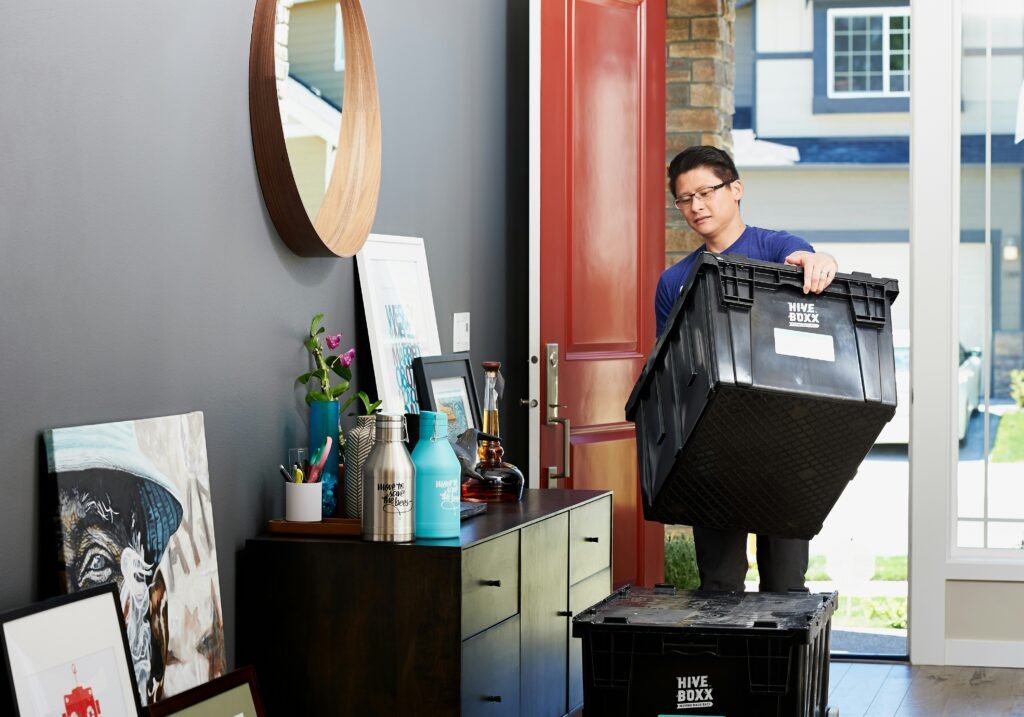
If possible, arrange for the Las Vegas unloading to begin in the morning. Make sure the apartment is unlocked, the air conditioning is operating and the unloading route is ready before the vehicle arrives.
Provide access to drinking water and an air-conditioned area for breaks. Watch for signs of heat-related illness, including dizziness, weakness, headache, nausea, confusion and unusually heavy sweating.
The Southern Nevada Health District advises people working or performing activities outdoors during hot weather to reduce heat exposure and understand the symptoms of heat-related illness.
A schedule should never require someone to continue carrying heavy furniture when they appear confused, faint or physically unwell.
Protect Electronics and Production Equipment
A household involving video, audio or event-production work may include more sensitive equipment than an ordinary move. Cameras, switchers, monitors, computers, drives and cables can be vulnerable to heat, impact and poor packing.
Create a separate inventory for professional equipment. Record serial numbers and photograph the condition of each item before packing.
Small, valuable devices and media containing irreplaceable files may be safer traveling personally rather than inside the main shipment. Back up important files to more than one secure location before leaving Washington.
Avoid allowing electronics to sit for extended periods in a parked vehicle under direct sunlight. After delivery, give equipment time to adjust to the indoor environment before powering it on, particularly if it experienced a major temperature change.
Follow TCM’s guide to packing electronics for moving for additional protection and labeling steps.
Identify Other Heat-Sensitive Belongings
Electronics are not the only possessions that can be affected by summer temperatures. Review the household inventory for anything that should not remain in a hot truck, garage or outdoor container.
Potentially vulnerable belongings include:
- Candles and wax decorations
- Medication
- Cosmetics
- Artwork
- Musical instruments
- Batteries
- Photographs
- Adhesive products
- Vinyl records
- Certain food products
- Aerosol containers and prohibited hazardous materials
Ask for a written list of items that cannot be included in the household shipment. Keep medication, identification and irreplaceable valuables with you.
Do not assume that a shaded vehicle remains cool enough for sensitive belongings. The interior can become dangerously hot even when outdoor exposure appears brief.
Coordinate the Lease With the Shipment
A long-distance shipment may not arrive on the same day as the household. An estimated delivery window should not be treated as a guaranteed appointment unless the written agreement explicitly provides one.
If the shipment arrives early, determine who can legally receive it and whether the building will permit delivery. If it arrives late, prepare to live without furniture and ordinary household supplies.
Keep enough essentials for several days, including:
- Clothing
- Toiletries
- Medication
- Bedding
- Chargers
- Work equipment
- Important documents
- Basic kitchen supplies
TCM’s moving-day essentials box guide can help identify what should remain outside the main shipment.
If there is a substantial gap between the Washington lease ending and the Las Vegas apartment becoming available, review the options described in TCM’s guide to moving when housing dates do not line up.
Prepare for Las Vegas Storage Limitations
People moving from older East Coast housing may be accustomed to basements, dense built-in storage or nearby walkable services. Many Las Vegas homes and apartments have different layouts.
Measure closets, garages and storage areas before deciding what to transport. A garage should not automatically be treated as climate-controlled household storage. Summer heat can damage electronics, photographs, candles, batteries and other sensitive belongings.
Decluttering in Washington is generally easier and less expensive than transporting unnecessary belongings across the country and then paying to store them in Nevada.
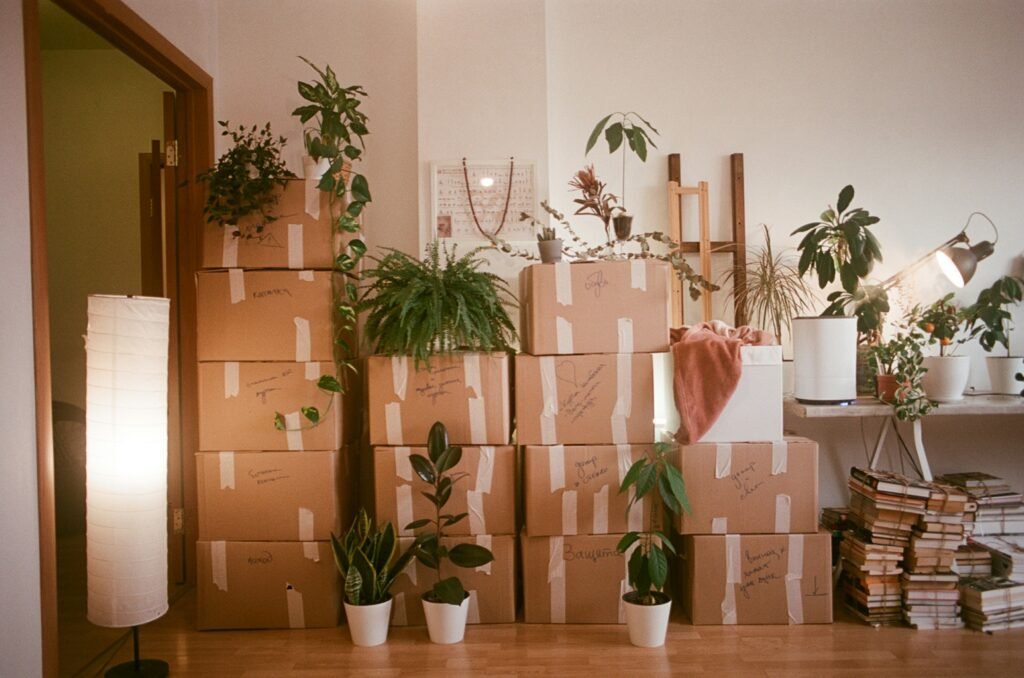
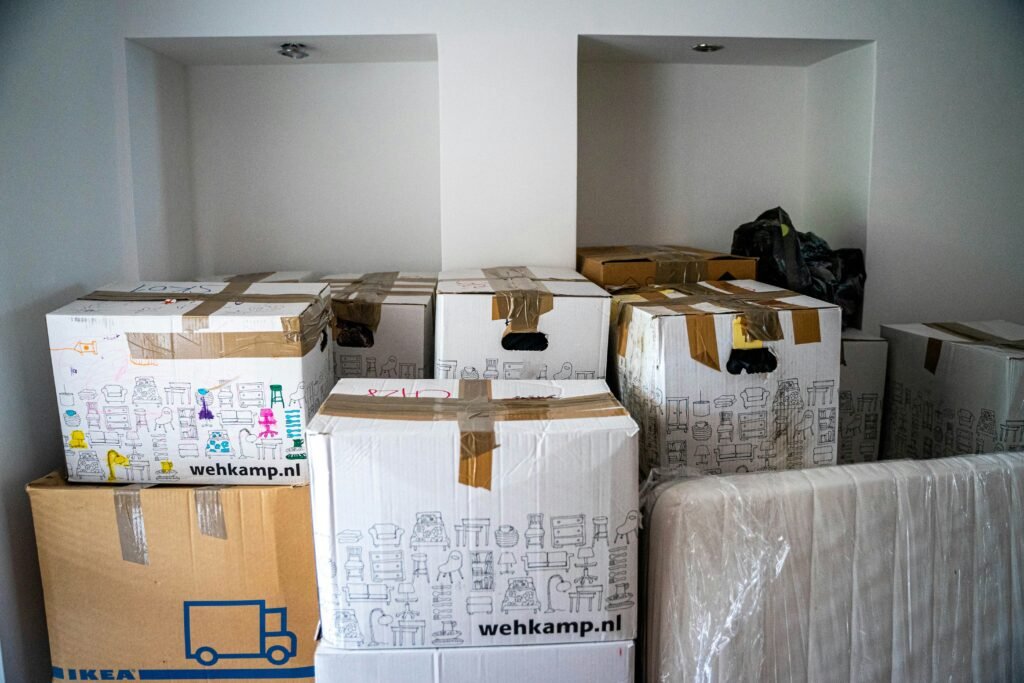
Create a destination label for every box, such as “bedroom closet,” “indoor storage” or “garage—heat-safe items.” This prevents temperature-sensitive possessions from being placed in the garage during unloading.
Plan the Personal Journey Separately
Decide whether to fly or drive based on the household’s vehicles, pets, schedule and belongings that must remain under personal control.
If driving, the route may involve multiple days of summer travel. Inspect the vehicle before departure and avoid leaving people, animals, medication or electronics inside it during stops.
Keep water, identification, emergency contacts, chargers and basic vehicle supplies accessible. Build flexibility into hotel reservations in case weather, traffic or mechanical problems alter the schedule.
If flying, confirm how keys will be collected and how you will travel from the airport with luggage, pets or equipment. Do not pack apartment-access information inside checked baggage.
Prepare for Employment Changes
When one spouse has secured employment and the other is still searching, the relocation budget should be able to support the household during the search period.
Keep professional equipment, interview clothing, identification and employment records accessible. Do not place everything needed for work inside a shipment with an uncertain delivery date.
Someone working in event production may need to account for evening, weekend or irregular schedules when choosing housing and transportation. Evaluate whether the household can manage two different work schedules with its planned number of vehicles.
The article should not depend on specific employer recommendations because opportunities can change quickly. A better approach is to identify the types of workplaces that use production skills and prepare a portfolio, résumé and equipment list before relocating.
Document the Apartment at Move-In
Before boxes and furniture cover the floors and walls, photograph the condition of the apartment. Record damage, stains, appliance problems, missing fixtures and signs of water intrusion.
Test the air conditioning, locks, plumbing, electrical outlets and included appliances. Submit problems through the property’s documented reporting process and retain copies.
A complete condition record helps distinguish existing damage from damage that may occur during delivery or occupancy.
Build a Flexible Arrival Plan
The first day should not depend on every part of the move proceeding perfectly. Prepare alternatives for delayed keys, a late shipment, vehicle trouble or air-conditioning problems.
Keep contact details, reservations and important documents available offline. Make sure both spouses understand who will handle apartment access, transportation questions and shipment updates.
Use TCM’s complete moving checklist to organize the final preparation without relying on memory during the busiest part of the move.
Moving Note: For a Washington, DC to Las Vegas summer move, confirm that the new apartment has working air conditioning before delivery begins. Avoid scheduling strenuous unloading during the hottest part of the day when another safe time is available.