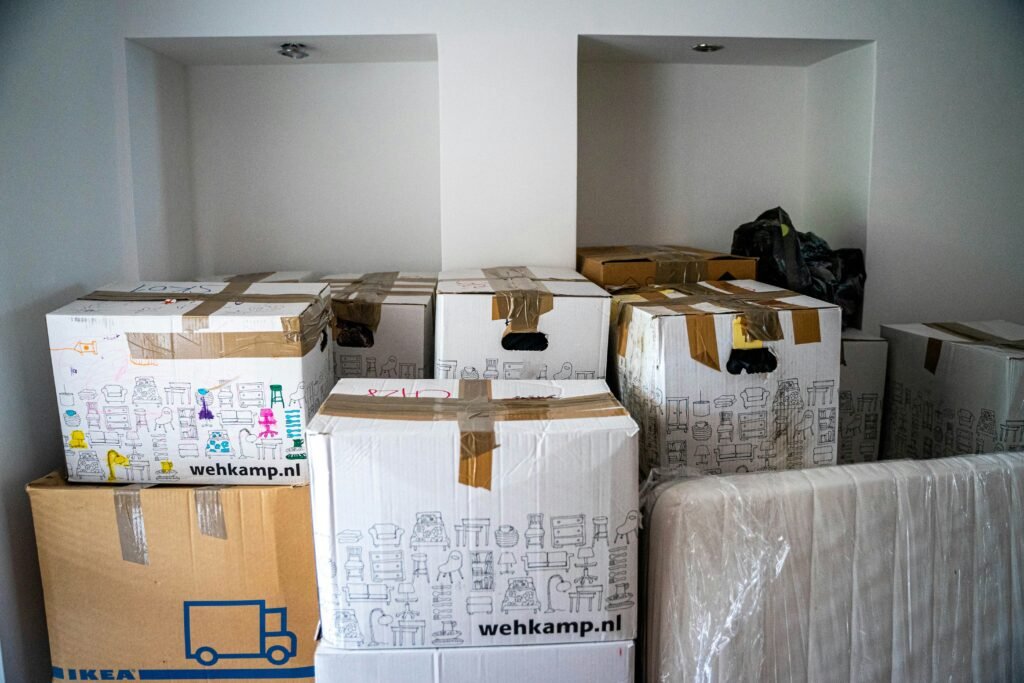

An NYC move-out date does not always match the freight elevator schedule offered by a building. A tenant may have a mover booked, a lease ending and a new apartment ready, only to learn that the service elevator is unavailable on the required day.
This problem is particularly common near the end of the month, when many leases expire at the same time. Buildings may limit moves to weekday business hours, prohibit weekend moves or allow only one apartment to use the freight elevator during each time block.
Resolving the conflict may require changing the mover’s arrival time, moving earlier, arranging temporary storage or requesting an exception from building management. The best option depends on the lease dates, elevator availability and cost of changing the moving reservation.
Why NYC Freight Elevator Slots Become Unavailable
Freight elevators are shared resources. Building employees may use them for deliveries, maintenance work, waste removal and contractor access in addition to apartment moves.
Management may limit reservations to reduce congestion and protect common areas. A typical building might offer a morning slot and an afternoon slot while refusing moves during evenings, weekends or holidays.
Availability can become particularly limited because of:
- Multiple leases ending on the same date
- Building renovation projects
- Elevator maintenance or inspection
- Restricted doorman or superintendent hours
- Holiday staffing schedules
- Rules allowing only one move at a time
- Previously approved furniture deliveries
- Protection work required before each move
A lease expiration date does not automatically reserve the elevator. Tenants may need to submit a separate request weeks before moving out.
Confirm Whether the Reservation Is Actually Required
Before changing the entire moving plan, ask management to explain the rule in writing. Some buildings require the freight elevator only for large furniture, while allowing sealed boxes and small belongings to leave through another approved route.
Other properties prohibit all moving activity outside a reserved time. Using a passenger elevator or stairwell without permission could lead to denied access, building charges or an interrupted move.
Confirm:
- Which elevator must be used
- Whether stairs are permitted
- Which entrance the movers must use
- Whether the truck needs loading-dock access
- How long each reservation lasts
- Whether management requires protective padding
- Whether a building employee must supervise the move
- What happens if the crew exceeds the reserved time
Do not assume the same rules apply at the origin and destination buildings. Each property may have its own moving hours and documentation requirements.
Ask for the Complete Elevator Schedule
A building may initially say that the requested date is unavailable without offering every possible alternative. Ask for all open slots surrounding the preferred NYC move-out date.
A late cancellation may create an opening. Management may also maintain a waiting list that is not mentioned in the standard reservation form.
Ask whether the building can offer:
- An earlier or later slot on the same day
- A shorter loading window
- A cancellation waitlist
- Access on a normally restricted day
- Two smaller reservations instead of one long block
- Permission to stage boxes near the service entrance
- Approval to use the stairs for selected items
Any exception should be documented. A verbal agreement from one employee may not help if another staff member is controlling access on moving day.
Check the Lease Before Moving Early
When the only available elevator slot is several days before the lease ends, the tenant may consider leaving early. That can solve the building-access problem, but it may create additional expenses.
Moving out early does not usually mean the tenant stops being responsible for the apartment immediately. Rent, utilities and other lease obligations may continue through the official end date unless the landlord agrees otherwise.
Before accepting an earlier slot, determine:
- Whether rent remains due through the lease expiration
- When the keys must be returned
- When the final inspection will occur
- Whether the apartment must be empty for repairs
- Who remains responsible for damage after the belongings leave
- Whether building access remains available afterward
- When utilities should be disconnected
An early physical move and an early lease termination are not necessarily the same event. Written confirmation can prevent confusion over possession of the apartment.
Coordinate Both Buildings Before Confirming Movers
For an apartment-to-apartment move, the origin and destination schedules must work together. Reserving only the move-out elevator can create another delay when the destination building will not accept the shipment at the expected arrival time.
Compare the following details:
| Planning Detail | Origin Building | Destination Building |
|---|---|---|
| Approved moving date | Confirm departure slot | Confirm arrival slot |
| Elevator period | Include loading time | Include unloading time |
| Building entrance | Identify service entrance | Identify receiving entrance |
| Truck access | Check curb or loading area | Check curb or loading dock |
| Required paperwork | Submit mover documents | Submit mover documents |
| Overtime policy | Ask what happens after the slot | Ask whether late arrivals are admitted |
Travel time must be included between the two reservations. Traffic, parking difficulty and loading delays can make back-to-back elevator slots unrealistic even when the apartments are close to each other.
Tell the Moving Company About the Conflict Early
A mover needs more than the street addresses and number of rooms. The estimator should know that the move is controlled by fixed elevator windows.
Provide:
- The confirmed elevator times
- Service entrance locations
- Loading-dock instructions
- Maximum truck dimensions, if restricted
- The number of floors
- Distance from the curb to the elevator
- Building contact information
- Required certificate details
- Any penalties for exceeding the reservation
The mover can then evaluate whether the job requires a larger crew, a different truck or additional preparation.
Waiting until moving day to disclose a short elevator window can create overtime, missed access or a partially completed move.
Review Mover Rescheduling and Cancellation Fees
Changing an NYC move-out date may affect the moving price. The result depends on how much notice is provided, whether the new date falls during a busy period and what the booking agreement says.
Possible charges include:
- Date-change fees
- Lost deposits
- Short-notice cancellation charges
- Higher weekend or end-of-month rates
- Additional labor for split-day service
- Waiting time
- Overnight storage
- Redelivery charges
- A second truck trip
Ask the mover for a written comparison of the available options. Moving one day earlier with storage may cost less than cancelling the original reservation and booking another crew during a high-demand period.
Consider Moving and Storage Between Apartments
Temporary storage can bridge a scheduling gap when the origin building requires an earlier departure than the destination permits.
Under this arrangement, the mover collects the shipment, holds it temporarily and delivers it once the destination elevator becomes available. Storage may last overnight or for several days.
Before approving this option, ask:
- Where the belongings will be stored
- Whether the shipment remains on the truck
- Whether it will be transferred into a warehouse
- How many times the items will be handled
- Whether storage is charged daily or by volume
- Whether there is a separate redelivery fee
- How access to stored belongings works
- Whether the original crew will complete delivery
- How valuation coverage applies during storage
Prepare a separate bag containing medication, identification, chargers, clothing, work equipment and other essentials. Even a one-night storage period can become longer if the next elevator reservation changes.
Understand Split-Move Arrangements
A split move allows part of the apartment to be removed during one elevator slot and the rest during another. This can work when management offers two short reservations but no single block long enough for the full move.
It may also help when a tenant can remove boxes earlier but needs a later appointment for furniture.
The disadvantages are additional travel, repeated setup and a greater chance of inventory confusion. A moving company may charge a new minimum for each visit, especially when the appointments occur on different days.
Request one written inventory covering both stages. Clearly mark which belongings must leave during each appointment so the crew does not load items needed before the second visit.
Prepare for a Short Freight Elevator Window
When the building provides only a limited reservation, preparation becomes more important than usual. The crew should be able to start moving immediately after access is granted.
Before arrival:
- Finish packing and sealing every box
- Label the destination room
- Disassemble approved furniture
- Remove wall-mounted items
- Reserve parking or loading access where possible
- Clear hallways and doorways
- Confirm that elevator padding is installed
- Keep pets and children away from the moving path
- Place personal documents and valuables separately
- Assign one person to communicate with building staff
Last-minute packing can consume a significant portion of a short reservation. If professional packing is included, schedule it before the official moving window whenever the building permits.
Decide Whether a Larger Moving Crew Would Help
Adding movers can shorten the loading or unloading period, but it does not improve every move. A narrow hallway or small freight elevator may limit how many people can work effectively.
Ask the mover whether a larger crew would reduce the total time at the property. The estimator should consider:
- Elevator capacity
- Walking distance to the truck
- Number of large furniture pieces
- Apartment size
- Stair access
- Loading-dock layout
- Amount of disassembly required
An additional crew member may be valuable when the truck is parked far from the service entrance because workers can form separate loading and carrying teams.
Certificate of Insurance Timing
Many NYC buildings require a certificate of insurance, often called a COI, before approving a moving company. The document may need specific wording, coverage limits and additional insured parties.
An elevator reservation may remain tentative until management accepts the certificate. This creates a risk when the mover is booked but the building has not granted final approval.
Request the building’s sample certificate or written requirements and send them to the mover promptly. Then confirm that management has approved the submitted document.
If the date changes, ask whether a revised certificate is required. Some certificates identify the service date, building address or additional insured entities and cannot automatically be reused.
What Happens When Movers Arrive Outside the Slot
A crew that arrives before the reservation may have to wait outside. A late arrival may be denied access entirely if another tenant has the next elevator period.
When movers charge hourly, waiting can increase the bill even though no belongings are being carried. If access is refused, the shipment may require another appointment or temporary storage.
Before moving day, ask:
- When paid labor time begins
- Whether waiting time is billable
- What happens if building staff delay access
- Whether the crew can complete another task while waiting
- What rescheduling charges apply if entry is denied
- Whether storage is available in an emergency
Keep the property manager’s contact information available. A person with authority to approve access may be able to resolve a minor timing problem faster than front-desk staff.
When the Building Offers No Reasonable Date
If management provides no usable reservation near the lease expiration, send a written request describing the conflict. Include the lease-end date, preferred moving period and any practical problems caused by the available alternatives.
Ask whether management can:
- Provide a cancellation slot
- Extend moving hours
- Approve stair access
- Allow a smaller crew to work outside normal hours
- Coordinate two shorter appointments
- Permit early staging in an approved area
- Identify another route through the building
Keep copies of the request and response. If the situation may affect the tenant’s ability to vacate on time or comply with the lease, consider obtaining guidance from an appropriate New York housing resource or qualified professional.
A moving company cannot override building management. Its role is to adjust staffing, transportation and storage once the building provides an approved plan.
Costs Created by an Elevator Scheduling Conflict
The elevator itself may be free to reserve, but a scheduling conflict can produce indirect expenses.
Common examples include:
- Mover date-change fees
- Higher rates for another moving day
- Temporary storage
- Warehouse handling
- Redelivery
- Additional truck use
- Waiting time
- Extra rent or temporary accommodation
- Building deposits
- Missed-work expenses
- Cleaning on a separate day
Compare the complete cost of each solution. The lowest mover quote may not remain the least expensive option after storage, repeat travel and additional minimum hours are included.
Creating a Backup Plan
Even a confirmed reservation can be affected by an elevator breakdown, staff absence or another move running late.
A practical backup plan should identify:
- A secondary elevator date
- The mover’s rescheduling procedure
- Emergency storage availability
- A contact with authority at each building
- Essential belongings that remain with the customer
- Temporary accommodation if delivery is delayed
- The latest time the destination will accept the shipment
Confirm important details again several days before the move and on the morning of service. Written approval, contact numbers and the moving agreement should remain accessible rather than being packed inside a box.
Frequently Asked Questions
How early should an NYC freight elevator be reserved?
Reservation periods vary by building, but tenants should request a slot as soon as the move becomes likely. End-of-month and summer dates may fill particularly quickly.
Can a building restrict moves to weekdays?
Many NYC buildings establish specific moving hours and may prohibit weekend or evening moves. Review the lease, house rules and written instructions from management.
What if my lease ends when no elevator slot is available?
Ask management for all available alternatives, a cancellation list and any permitted exception. Contact the mover before changing the date so you understand the related fees and storage options.
Can movers use the passenger elevator instead?
Only when the building authorizes it. A moving crew should not use passenger elevators or restricted stairways without approval.
Who pays if movers must wait for elevator access?
Responsibility depends on the moving agreement and the cause of the delay. Hourly movers may charge for waiting even when building staff control access.
Can belongings remain on the moving truck overnight?
Some movers offer overnight truck storage, while others transfer shipments to a warehouse. Ask about security, handling, delivery scheduling and additional charges before agreeing.
Does changing the moving date require a new COI?
It may. Ask both the building and moving company whether the certificate includes date-specific information that must be revised.
Note: Building rules, lease obligations, elevator access policies, moving charges and storage terms vary. Confirm requirements in writing with building management and review the moving agreement before changing an NYC move-out date. This article provides general planning information and is not legal advice.