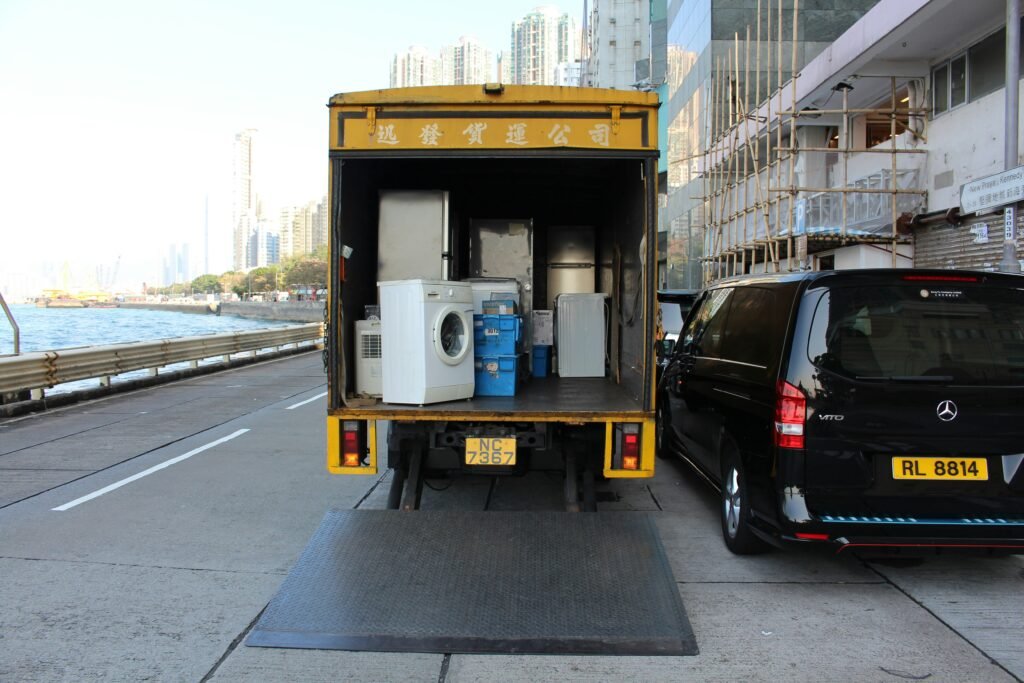

Honolulu container returns can add costs after your belongings have reached your new home. An unloading crew may finish its work while the shipping container still needs collection, transportation and acceptance at the designated return location.
That final step deserves a place in your moving budget. Before hiring movers, establish who handles the empty container, which deadline applies and what happens if the planned return cannot be completed.
This guide focuses on carrier-owned ocean containers used for household moves to Honolulu. Portable storage units, shared shipments and containers you own may follow different arrangements.
Identify Who Is Responsible for Each Stage
A move involving ocean freight can include several businesses: the shipping line, a trucking company, a local unloading crew and possibly a warehouse. Booking one does not necessarily book the others.
Ask your main contact to identify who will:
- Collect the loaded container from the terminal.
- Deliver it to the unloading location.
- Supply the unloading crew and equipment.
- Schedule and complete the empty-container return.
- Pay any additional charges initially and pass them on to you.
If one mover coordinates everything, get those responsibilities included in its written scope. If you hire unloading labor separately, confirm where that crew’s responsibility ends.
The payment arrangement matters too. A trucking company might arrange the return while the shipping agreement still makes you responsible for certain equipment charges. Ask how those costs would be documented and billed.
Our guide to what a moving estimate should include can help you check whether the full job appears in the paperwork.
Get the Actual Return Deadline in Writing
“Free time” means an allowance before particular storage or equipment charges begin. It does not mean trucking, unloading or every related service is free.
For ocean transportation between the U.S. mainland and Hawaii, the Surface Transportation Board explains that water carriers maintain public tariffs containing rates, charges, rules and service terms. Ask which tariff provisions and booking terms apply to your shipment.
Request the shipment’s availability notice and a written last free date. Clarify:
- Which event starts the allowance.
- Whether days are counted as calendar days or working days.
- How weekends and holidays affect the calculation.
- Whether pickup and empty return share one allowance.
- What event stops the equipment charge.
Avoid calculating the deadline from the day the container reaches your driveway unless the applicable terms specifically use that event. Time may already have elapsed before residential delivery.
Give the confirmed deadline to the trucker and unloading crew so both can plan around the same date.
Separate the Different Types of Charges
A bill described simply as a “container fee” is difficult to evaluate. Ask for the charge’s name, calculation and triggering event.
The Government Accountability Office distinguishes demurrage associated with container use within a port terminal from detention associated with use outside it. Individual contracts may use more specific descriptions, including port storage or equipment detention.
| Potential charge | What to establish before booking |
|---|---|
| Port storage or demurrage | When charges begin while the container remains at the terminal |
| Equipment detention | The allowance and rate for retaining equipment beyond permitted use |
| Empty-return trucking | Whether the return trip is included in the delivery quote |
| Truck waiting time | How long the driver can wait during unloading before additional billing |
| Chassis charges | Whether use of the wheeled container frame is included or billed separately |
| Cleaning or failed-return charges | What condition and receiving requirements apply |
Not every shipment incurs every charge. The purpose is to find omissions before agreeing to the price.
Also distinguish truck waiting time from container detention. One concerns a vehicle and driver waiting during the job; the other concerns equipment retained beyond its allowance.
Confirm That Your Honolulu Address Can Receive the Container
Before arranging delivery, send the trucker photographs and measurements of the proposed access route. Include turning space, driveway slope, overhead clearance and the intended unloading position.
For a condo, confirm the loading area, elevator reservation and permitted moving hours with building management. A delivery window must leave enough time to unload before the building’s access period ends.
Do not assume a shipping container can remain on the street overnight. Honolulu’s permitting guidance identifies street-usage permit requirements for work that temporarily obstructs a roadway or sidewalk. Check the proposed setup with the Department of Transportation Services before relying on public curb space.
If direct delivery is unsuitable, ask about an approved unloading location and onward transport of your belongings. Price the additional handling and transportation before selecting that arrangement.
Match the Unloading Plan to the Return Booking
Find out whether the driver will remain during unloading or whether the container will be left for later collection, where permitted and operationally available.
With a driver waiting, ask for the included unloading time and the rate after that allowance. Give the crew an accurate inventory, including bulky furniture and items requiring careful handling.
With later collection, confirm how much notice the trucking company needs once the container is empty. A message saying “ready for pickup” does not establish when collection or terminal acceptance will occur.
Work backward from the return deadline. Leave room for the actual unloading work, cleanup, collection and receiving hours instead of scheduling every step at the last possible moment.
Compare a Delayed Return With Temporary Storage
If keys are unavailable or a renovation is unfinished, keeping belongings inside the shipping container may appear convenient. Compare the complete cost of that delay with unloading into temporary storage.
For illustration only, suppose the applicable equipment charge were $80 per chargeable day. Four extra days would add $320. A separately quoted $150 collection charge would bring those two items to $470, before any other applicable costs.
Those figures are hypothetical, not Honolulu market rates. Your agreement may use different rates, charging periods or escalating daily amounts.
Compare that total with warehouse handling, storage, later delivery and any additional loading labor. Temporary storage is not automatically cheaper, but the comparison gives you a basis for deciding.
If housing availability is the underlying problem, our guide to moving when closing dates do not line up explains other arrangements to consider.
Prepare the Empty Container for Acceptance
Ask for the required return condition before unloading begins. Clarify who removes loose packing materials, debris and temporary loading materials, following the provider’s instructions.
Once unloading is complete, check the interior for overlooked cartons or personal belongings. Photograph the empty interior, visible condition and container identification number.
Confirm the authorized return location with the trucking company. Ask whether receiving hours, an appointment or updated instructions affect the planned trip.
If a return attempt fails, request the reason and supporting record promptly. Keep any refusal notice, appointment record or communication about a changed receiving location. Those details may matter when reviewing later charges.
Keep Proof of Return With the Final Invoice
Ask for the terminal receipt, equipment interchange record or equivalent confirmation showing the container number and accepted return date and time.
A truck leaving your property proves collection; it does not, by itself, document acceptance at the return facility.
Match any later storage or detention invoice against the applicable allowance, rate schedule and return record. If a charge appears incorrect, raise the specific discrepancy in writing with the billing party and attach the relevant documents.
Keep the booking terms, availability notice, trucking agreement and return confirmation together. They provide a clear record of what was agreed, what happened and how the final amount was calculated.
Note: Container allowances, tariffs, receiving procedures and moving-company terms vary by provider, route and equipment. Confirm the conditions for your specific shipment. Any dollar amounts above are hypothetical examples in U.S. dollars, not current service quotes.