
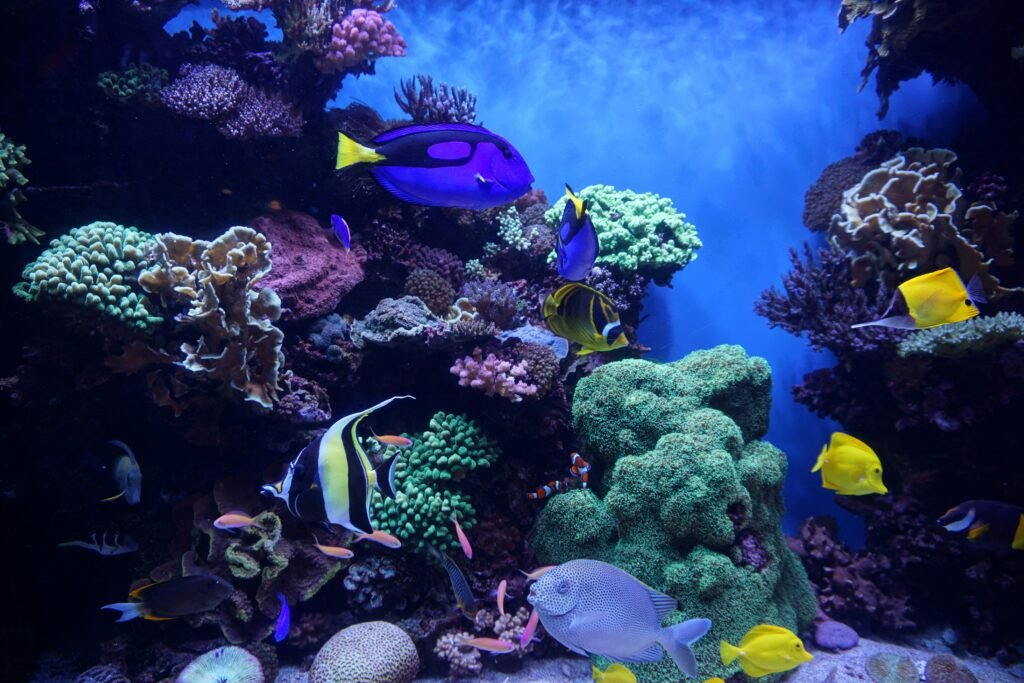
Moving an aquarium in Toronto involves considerably more planning than transporting ordinary furniture. The tank must be drained, aquatic life needs a stable temporary environment, and glass panels must be protected from pressure, twisting and impact.
Even a short move between Toronto neighbourhoods can take several hours once parking, elevator reservations, traffic and rebuilding the aquarium are considered. Cold winter temperatures and hot summer conditions can add further risks.
The safest plan separates the move into three parts: preparing the destination, transporting the living contents and protecting the empty aquarium.
Decide Whether the Aquarium Should Be Moved
Before making transportation arrangements, consider whether moving the existing aquarium is practical.
Important factors include:
- Tank size and weight
- Age and condition of the glass
- Condition of the seals
- Distance between the properties
- Number and type of aquatic animals
- Availability of suitable transportation
- Elevator and doorway dimensions
- Seasonal temperatures
- Time needed to rebuild the setup
- Replacement cost compared with moving cost
An older aquarium with deteriorating seals may not tolerate the stress of being lifted and transported. A large tank may also require more people, specialized lifting equipment and a vehicle capable of keeping it level.
Inspect the glass for cracks, chips and damaged edges. Look closely at the seams for lifting, bubbles, separation or deteriorated sealant. Moving can expose weaknesses that were not noticeable while the aquarium remained stationary.
Prepare the New Location First
The aquarium’s destination should be ready before anything is removed from the original setup.
Confirm that the new location has:
- A level and stable surface
- Sufficient floor support
- Nearby electrical outlets
- Space for filters, hoses and cables
- Protection from direct sunlight
- A suitable water source
- Enough clearance for maintenance
- Permission from the landlord or building when required
Measure the aquarium, stand, doorways, corridors and elevator. Do not assume that a tank entering one Toronto condo will fit into another, even when both units have similar floor plans.
The stand should be placed and levelled before the aquarium arrives. Moving the tank again after adding water, substrate or decorations could damage the aquarium and surrounding property.
Review Toronto Condo Moving Rules
Many Toronto condominiums regulate when and how residents can move large belongings through the building.
Ask management about:
- Elevator reservations
- Permitted moving hours
- Loading-area access
- Security or concierge procedures
- Moving deposits
- Protective elevator padding
- Certificates or proof of insurance
- Parking restrictions
- Maximum elevator dimensions
- Rules for water disposal
- Access through service entrances
An aquarium move may require more elevator time than an ordinary furniture delivery because the tank, stand, equipment, water containers and aquatic life may travel separately.
Confirm the reservation in writing. If the move cannot be completed during the assigned period, ask what happens when additional elevator time is required.
Arrange Legal Parking and Loading Access
A long distance between the building entrance and the vehicle increases carrying time and the risk of dropping or twisting the aquarium.
Inspect both properties for:
- Loading zones
- Underground garage height limits
- Street-parking restrictions
- No-stopping areas
- Construction closures
- Narrow driveways
- Snowbanks or icy walkways
- Stairs between the vehicle and entrance
Toronto traffic can also make a geographically short move take longer than expected. Schedule enough time for loading, travel, unloading and setting up temporary containers at the destination.
If the vehicle cannot park close to either property, TCM’s guide covering a moving truck that cannot park near your home provides additional access-planning steps.
Create an Aquarium Inventory
Photograph the complete aquarium before taking anything apart. Record the placement and condition of:
- The aquarium
- Stand and cabinet
- Filtration equipment
- Heater
- Lighting
- Air pumps
- Hoses and cables
- Lid or canopy
- Decorations
- Rocks and driftwood
- Substrate
- Plants
- Fish and other aquatic animals
Label cables, hoses and removable equipment so the system can be rebuilt correctly. Taking close-up photographs of plumbing connections is especially helpful for more complicated filtration systems.
Create a written inventory for small components such as valves, suction cups, clips, fittings and filter parts. These pieces are easily misplaced among wet towels and packing supplies.
Prepare Temporary Containers
Aquatic animals should not remain inside the aquarium during transportation. Water movement can throw animals against decorations, while the combined weight can damage the tank.
Temporary containers should be:
- Clean and free from chemical residue
- Suitable for the type and number of animals
- Securely covered
- Clearly labelled
- Protected from sudden temperature changes
- Large enough for the expected travel and waiting time
Do not use containers that previously held cleaners, paint, chemicals or other potentially harmful substances.
Separate animals when necessary because of size, aggression, compatibility or species-specific requirements. Avoid overcrowding, particularly when traffic or building delays could extend the transportation period.
Aquatic animals require more specialized planning than most household pets. TCM’s broader guide on moving with pets safely can help you incorporate identification, supplies and emergency preparation into the move.
Preserve Beneficial Bacteria
An established aquarium depends on beneficial bacteria that process waste. Much of this bacteria lives in filter media and on submerged surfaces rather than in the water itself.
Keep established filter media wet in aquarium water during the move. Do not rinse it with untreated tap water or allow it to dry out.
Depending on the aquarium and the expected delay, you may need to preserve:
- Filter sponges
- Ceramic media
- Biological filtration material
- Some established substrate
- Healthy plants
- A reasonable amount of original aquarium water
Keeping every litre of old water is generally unnecessary and can add substantial weight. The priority is protecting aquatic life and established biological media while preparing appropriate water at the destination.
Plan for Toronto Weather
Toronto’s seasonal temperatures can make an aquarium move more difficult.
Winter moves
Cold air can cool small containers quickly. Prepare the vehicle before bringing aquatic animals outside and minimize the time containers spend on sidewalks, loading docks or in unheated areas.
Insulated containers and clean towels can help slow temperature changes. Avoid placing aquatic animals directly beside exterior doors or on cold concrete surfaces.
Clear snow and ice along the carrying route before moving the tank. A person carrying glass may not be able to see slippery patches near their feet.
Summer moves
Vehicles can heat rapidly during warm weather. Aquatic animals should not be left inside a parked vehicle while other belongings are loaded.
Keep containers away from direct sunlight and monitor conditions throughout the move. Air conditioning should not blow intensely against one side of a small container, as this may cause uneven cooling.
Drain the Aquarium Completely
The aquarium should generally be moved empty. Water is heavy, shifts unpredictably and places pressure on the glass and seals.
Remove:
- Fish and other aquatic animals
- Plants
- Decorations
- Rocks
- Equipment
- Most or all substrate
- All remaining water
Even a small amount of water combined with gravel can add considerable weight. More importantly, the shifting load can place uneven pressure on the bottom panel.
Do not attempt to move an aquarium by leaving only a few inches of water inside for the fish. This can endanger the animals and damage the tank.
Pack Rocks and Decorations Separately
Never transport heavy rocks, driftwood or decorations inside the aquarium. A sudden stop or sharp turn could cause them to strike the glass.
Wrap hard objects individually and place them in sturdy containers. Wet items should be packed in a way that prevents leakage into other boxes.
Keep rocks separate from delicate pumps, heaters and glass equipment. Clearly mark containers holding fragile aquarium components.
Sharp decorations should not be packed against hoses, cables or filter media.
Handle the Substrate Carefully
Wet substrate is extremely heavy. Leaving it inside the aquarium can create concentrated pressure on the bottom panel and make the tank difficult to carry evenly.
Remove the substrate and place it in manageable containers. Avoid creating containers so heavy that they cannot be carried safely through corridors or elevators.
If you intend to reuse the substrate, keep it separate from household packing materials. Some established substrate may develop unpleasant or potentially harmful conditions when sealed for an extended period, so the appropriate handling method depends on the aquarium setup and length of the move.
Protect the Glass Aquarium
Once empty and dry on the exterior, protect the aquarium against impact and twisting.
Use materials such as:
- Clean moving blankets
- Foam sheets
- Corner protectors
- Cardboard panels
- Stretch wrap applied around protective material
- A properly sized rigid container when available
Do not place adhesive tape directly on aquarium seals. Avoid allowing hard objects to rest against the glass.
The aquarium should remain upright. It should not be balanced on one corner, dragged across a floor or carried by its top frame unless the manufacturer’s instructions specifically permit that handling method.
Larger tanks require enough people to keep the base level. Everyone involved should understand the route and where the aquarium will be placed before lifting begins.
Transport the Stand Separately
The aquarium stand may be designed to support a heavy, evenly distributed load while stationary, but that does not mean it can safely support the aquarium during transportation.
Move the tank and stand separately. Remove doors, shelves or loose panels when appropriate, and secure any parts that could swing open.
Keep stand hardware in a sealed, labelled bag. Record where the bag is stored so it is available when the aquarium reaches the destination.
Inspect the stand for swelling, water damage, loose joints or an uneven top before placing the aquarium on it again.
Protect Aquarium Equipment
Heaters, glass tubes, lights and filter components require individual protection.
Before packing:
- Disconnect all electrical equipment
- Allow hot equipment to cool
- Drain water from pumps and hoses
- Label every connection
- Secure loose lids and covers
- Protect glass components separately
- Keep biological filter media wet
- Place small fittings in labelled bags
Do not pack wet electrical equipment in a sealed box for an extended period. Keep moisture away from plugs and electrical connections.
Photographs taken before disassembly can help prevent incorrect hose or cable connections during setup.
Keep Aquatic Animals With You
Aquatic animals and essential aquarium supplies should remain under your direct supervision rather than being packed with ordinary household belongings.
Keep the following accessible:
- Temporary animal containers
- Water-conditioning supplies
- Thermometer
- Towels
- Nets
- Backup containers
- Battery-powered aeration when appropriate
- Basic water-testing supplies
- Aquarium records
- Emergency contact information
This aquarium kit serves a similar purpose to the supplies described in TCM’s moving-day essentials box, but it should remain separate from household necessities.
Reassemble the Aquarium Carefully
At the destination, place the stand in its permanent position and confirm that it is level. Examine the aquarium again for chips, cracks or seam damage before adding substrate or water.
Reinstall the substrate, decorations, plants and equipment in a controlled order. Confirm that electrical equipment is positioned correctly before connecting it.
Avoid rushing to return aquatic animals immediately. The aquarium water should be properly prepared, and temperature and water conditions must be suitable for the species being moved.
Monitor water quality after setup. Disturbed substrate, reduced bacterial activity and interrupted filtration may affect conditions even when the aquarium appears normal.
Understand the Main Cost Factors
The cost of moving an aquarium in Toronto depends on much more than travel distance.
| Cost factor | Why it affects the price |
|---|---|
| Aquarium size | Larger tanks require more labour and handling |
| Tank weight | Thick glass and large stands may require additional people |
| Stairs | Carrying heavy glass on stairs increases time and difficulty |
| Elevator booking | Limited reservations can extend the schedule |
| Parking distance | Long carries increase labour time |
| Aquarium disassembly | Removing equipment, decorations and substrate takes time |
| Living contents | Fish, plants or other animals require separate preparation |
| Packing materials | Glass needs appropriate padding and corner protection |
| Setup assistance | Reassembly and equipment reconnection add labour |
| Toronto traffic | Travel time may be included in the total |
| Weather | Winter or extreme heat may require additional preparation |
| Multiple trips | The animals, tank and equipment may not fit safely in one load |
A short move across Toronto can still be expensive if the aquarium is large, parking is distant or condo access is restricted.
Request a written description of what is included in any estimate. Confirm whether the quoted work covers only transportation or also draining, packing, disassembly, setup and waiting time.
Questions to Ask Before the Move
Before finalizing the plan, clarify:
- Who will drain and disassemble the aquarium?
- Who is responsible for aquatic animals?
- Are packing materials included?
- How many people will carry the tank?
- Is the aquarium covered for accidental damage?
- Are the stand and equipment included?
- Is travel time charged?
- What happens if the elevator reservation is delayed?
- Are stairs or long carries charged separately?
- Will setup assistance be provided?
- Who is responsible for water leaks or property damage?
- What happens if the tank cannot fit through the planned route?
Record the answers in writing. A general agreement to “move the aquarium” may not include handling animals, preserving filter media or rebuilding the system.
Frequently Asked Questions
Can an aquarium be moved with water inside?
An aquarium should generally be drained before transportation. Moving water creates a shifting load that can stress the glass, frame and seals. Fish should travel in appropriate temporary containers.
Should fish remain in the tank during a short Toronto move?
No. Even during a short move, water can move violently inside the aquarium. Decorations may shift, and temperature or oxygen conditions may change unexpectedly.
Can gravel remain inside the aquarium?
Removing it is usually safer. Wet gravel adds weight and places pressure on the tank’s bottom panel. Transport the substrate in separate manageable containers.
How long does an aquarium move take?
The timeline depends on draining, animal preparation, building access, travel, unloading and reassembly. The drive may be short while the complete process takes several hours.
Can aquarium water be transported in ordinary containers?
Only use clean, secure containers that have never held harmful chemicals. Do not overfill them, and confirm that they can be transported without leaking or tipping.
Should the aquarium be tested before the animals return?
Inspect the tank and setup carefully before use. Water temperature and other conditions should be appropriate for the aquarium’s inhabitants before they are reintroduced.
Can a cracked or chipped aquarium be moved and reused?
Damage near an edge, seam or structural area may affect safety. Do not refill a questionable aquarium until its condition has been properly evaluated.
Is moving an aquarium covered as part of a normal household move?
Do not assume that it is. An agreement may exclude living animals, water-filled items, aquarium disassembly or setup. Confirm the exact scope before moving day.
Moving Note: Fish and other aquatic animals have species-specific temperature, oxygen, water-quality and transportation requirements. When you are uncertain about their needs or the aquarium’s structural condition, obtain qualified guidance before the move.