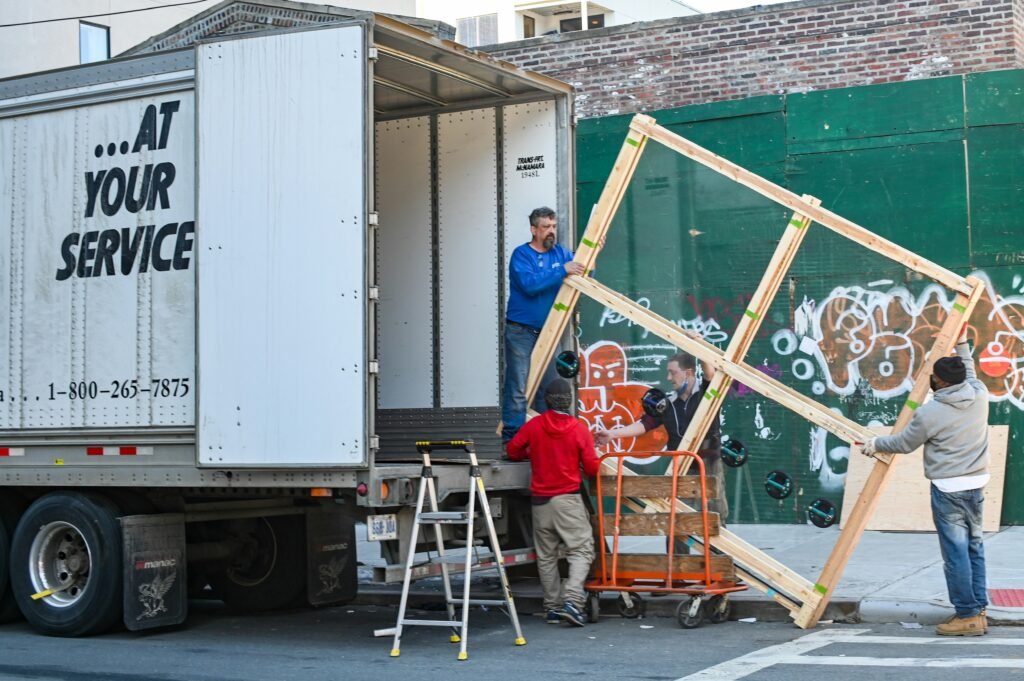

Chicago moving cost typically ranges from approximately $400 for a straightforward studio move to $4,000 or more for a large local household move. Interstate relocations beginning or ending in Chicago can cost considerably more.
Home size provides a useful starting point, but movers may calculate the final price according to crew size, labor hours, travel time, furniture volume and property access. Stairs, freight-elevator restrictions, limited loading space, winter weather and packing services can all affect the total.
A lightly furnished two-bedroom apartment with an elevator and loading dock could cost less to move than a one-bedroom walk-up with heavy furniture and no nearby parking. For this reason, home-size estimates should be combined with a detailed inventory and accurate access information.
Chicago Moving Cost at a Glance
The following figures are broad planning ranges for local moves within Chicago. They are not guaranteed quotes.
| Home size | Typical crew | Estimated time | Planning cost range |
|---|---|---|---|
| Studio | 2 movers | 2–4 hours | $400–$800 |
| One bedroom | 2–3 movers | 3–5 hours | $550–$1,250 |
| Two bedrooms | 3 movers | 4–7 hours | $900–$2,000 |
| Three bedrooms | 3–4 movers | 6–9 hours | $1,400–$3,000 |
| Four bedrooms | 4–5 movers | 8–12 hours | $2,000–$4,500 |
| Five or more bedrooms | 5+ movers | Full day or multiple days | $3,200–$7,000+ |
The lower end generally reflects a properly packed household, convenient parking, straightforward access and a short distance between properties. Packing, storage, specialty items and difficult access can push the price above these ranges.
Average Chicago Moving Cost by Home Size
Studio Moving Cost in Chicago
A local studio move in Chicago may cost approximately $400 to $800. Most studio moves require two movers and two to four hours.
A move may remain near the lower end when:
- The studio contains limited furniture
- All boxes are packed before arrival
- The building has an elevator
- The moving truck can stop close to the entrance
- The destination is nearby
- No specialty items require additional handling
Minimum-hour requirements can represent a large percentage of a small move. For example, a job that takes two hours could still be billed at a three-hour minimum.
Ask whether the minimum includes travel time, the truck and basic furniture protection.
One-Bedroom Apartment Moving Cost
Moving a one-bedroom apartment locally may cost approximately $550 to $1,250. A crew of two or three movers may need three to five hours.
The cost depends on more than the number of rooms. Important factors include:
- Number of boxes
- Amount of living-room furniture
- Bed disassembly
- Elevator availability
- Number of staircases
- Parking distance
- Packing requirements
- Travel time between addresses
A minimally furnished apartment may cost less than the suggested range, while a one-bedroom walk-up containing large furniture could exceed it.
Two-Bedroom Moving Cost in Chicago
A local two-bedroom move may cost approximately $900 to $2,000. Many moves of this size require three workers for four to seven hours.
The estimate can increase when the household includes:
- Complete furniture in both bedrooms
- A dining set
- Home-office furniture
- Exercise equipment
- Patio or balcony furniture
- A storage locker
- Garage contents
- Large televisions or electronics
- Furniture requiring disassembly
Tell the mover about every storage area. Items in a basement, garage or separate storage locker may not be included in an estimate based only on the apartment.
Three-Bedroom Moving Cost in Chicago
Moving a three-bedroom home within Chicago may cost approximately $1,400 to $3,000. A crew of three or four movers may require six to nine hours.
A house with convenient access may be completed faster than an apartment with elevator restrictions. Conversely, a multistory house with basement and garage contents may require additional labor even when parking is straightforward.
Potential cost drivers include:
- Multiple floors
- Basement storage
- Garage contents
- Large appliances
- Oversized furniture
- A piano or safe
- Extensive packing
- More than one truck
- Multiple pickup locations
A video or onsite survey can help the mover assign the right crew and vehicle.
Four-Bedroom House Moving Cost
The estimated cost of moving a four-bedroom Chicago home locally is approximately $2,000 to $4,500. These moves commonly require four or five workers and eight to twelve hours.
The total may rise when the home contains extensive basement, attic, garage or outdoor belongings. Large households may also need professional packing, more than one truck or temporary storage.
For moves of this size, the estimate should identify:
- Expected crew size
- Number and size of trucks
- Approximate labor hours
- Packing responsibilities
- Furniture preparation
- Specialty items
- Storage requirements
- Possible overtime
Five-Bedroom and Larger Home Moving Cost
A five-bedroom or larger local move may cost approximately $3,200 to $7,000 or more. Large inventories, specialty belongings and complicated access can push the total above this range.
An onsite assessment is especially valuable for a large home. Bedroom count alone may not account for furnished basements, home gyms, workshops, outdoor furniture or extensive storage.
How Chicago Movers Calculate Local Moving Prices
Local moves are commonly priced according to the number of workers and the time required.
A simplified calculation is:
Hourly crew rate × billable hours = estimated moving labor
The final bill may also include:
- Travel time
- Transportation or truck charges
- Minimum labor hours
- Packing materials
- Furniture disassembly
- Heavy-item handling
- Long carries
- Stair or elevator conditions
- Storage
- Additional stops
- Parking expenses
- Overtime
Ask when billing begins and ends. Some estimates may count only the time between arrival and departure from the property, while others may include travel connected to the job.
Typical Crew Size by Home
| Home size | Common crew size |
|---|---|
| Studio | 2 movers |
| One bedroom | 2–3 movers |
| Two bedrooms | 3 movers |
| Three bedrooms | 3–4 movers |
| Four bedrooms | 4–5 movers |
| Large household | 5 or more movers |
A larger crew creates a higher hourly rate but may finish the move faster. Comparing hourly rates without considering crew size and estimated duration can therefore be misleading.
If one proposal includes two movers for eight hours and another includes four movers for four hours, compare the complete estimated price and scope—not just the hourly number.
Chicago-Specific Factors That Affect Moving Costs
Walk-Up Apartments
Chicago has many apartment buildings without elevators. Carrying boxes and furniture down several flights of stairs increases labor time and physical difficulty.
Tell the mover:
- Which floor the unit is on
- Whether an elevator is available
- How wide the staircase is
- Whether the staircase turns sharply
- Whether large furniture fits through the route
- Whether the entrance has exterior steps
Photographs or video of the stairs can help identify possible disassembly requirements.
High-Rise Elevator Reservations
Downtown and lakefront high-rises may require residents to reserve a freight or service elevator. Moving may be limited to specific weekday or daytime periods.
Building requirements can include:
- Elevator reservations
- Move-in or move-out fees
- Refundable deposits
- Certificates of insurance
- Elevator padding
- Loading-dock reservations
- Security check-in
- Approved moving hours
- Advance registration of the moving company
Confirm the rules at both properties. The origin and destination may impose different requirements.
Missing an elevator window could result in waiting time or rescheduling expenses.
Parking and Loading Access
A moving truck may not be able to stop directly outside a Chicago apartment. Busy roads, bus stops, bike lanes, parking restrictions, alleys and narrow entrances can affect access.
A longer distance between the truck and the building means the crew must spend more time carrying every item. It can also require additional equipment.
Before moving day, determine:
- Where the truck can legally stop
- Whether the building provides a loading zone
- Whether alley access is permitted
- Whether posted restrictions affect the moving time
- Whether building management requires advance arrangements
- How far the crew must walk
- Whether doors or gates require keys or security access
Do not assume that an available curb space can legally accommodate a moving truck.
Winter Weather
Snow, ice and freezing temperatures can make a Chicago move slower and more complicated.
Winter conditions may require:
- Clearing sidewalks and exterior stairs
- Protecting floors from salt and moisture
- Wrapping furniture against snow
- Allowing extra travel time
- Keeping entrances safely accessible
- Protecting temperature-sensitive belongings
- Adjusting the schedule during severe weather
A winter date may offer better mover availability, but delays and safety precautions can increase the time required on the day.
Summer and Month-End Demand
Summer weekends and dates near the beginning or end of a month may have greater demand. Apartment leases frequently turn over around these periods.
Higher demand can affect:
- Availability
- Hourly prices
- Minimum booking requirements
- Preferred time slots
- Rescheduling flexibility
Request estimates early when the move must occur on a particular weekend or lease-end date.
Basements, Attics and Storage Areas
Chicago houses and multifamily properties may have belongings stored in basements, attics, garages or shared storage rooms.
These spaces are easy to overlook when preparing an inventory. They may contain heavy tools, shelving, seasonal items and a large number of boxes.
Tell the mover about every area included in the job to reduce the risk of an undersized truck or an unexpected additional trip.
Packing Costs in Chicago
Professional packing can add several hundred to several thousand dollars to a Chicago move. The amount depends on the household size, number of fragile items and level of service.
| Packing option | Typical scope |
|---|---|
| Materials only | Boxes, paper, tape and protective supplies |
| Partial packing | Kitchen, artwork, clothing or fragile rooms |
| Full packing | Most household contents |
| Specialty packing | Antiques, artwork, mirrors or electronics |
| Unpacking | Opening boxes and placing contents as agreed |
Ask whether the quote includes packing materials. Television boxes, mattress bags, wardrobe cartons and custom crates may be separately priced.
If you plan to pack without professional assistance, finish before the crew arrives. Open boxes and loose belongings can delay loading or require additional paid labor.
Common Additional Charges
A complete estimate should explain which expenses are included and which could be added later.
Potential additional charges include:
- Minimum labor periods
- Travel time
- Packing labor
- Packing materials
- Stair carries
- Long carries
- Elevator delays
- Additional stops
- Storage
- Waiting time
- Furniture disassembly
- Furniture reassembly
- Heavy-item handling
- Additional trucks
- Overtime
- Date changes
- Last-minute service
- Parking expenses
- Extra valuation coverage
TCM’s guide to understanding moving estimates explains how to identify missing services and compare proposals fairly.
When Shuttle Fees May Apply
Most local Chicago moves use a truck that travels directly between the two properties. However, difficult access can occasionally require a smaller vehicle to transfer belongings between the residence and a larger truck.
Possible triggers include:
- Narrow streets
- Low clearances
- Restricted driveways
- Inaccessible loading areas
- Long-distance shipments using large trailers
- Property rules that limit truck size
Ask whether both addresses can accommodate the planned vehicle. TCM’s guide to moving-company shuttle fees explains when this extra service may be required and how it can affect the bill.
Local Versus Long-Distance Chicago Moving Costs
Local and long-distance moves are usually priced differently.
Local Chicago Move
A local move may be calculated using:
- Crew size
- Labor time
- Travel time
- Trucks and equipment
- Additional services
Interstate Move From Chicago
An interstate move may be priced according to:
- Shipment weight or volume
- Transportation distance
- Origin and destination
- Packing requirements
- Storage
- Delivery method
- Seasonal demand
An interstate move beginning in Chicago may cost approximately $2,000 to $15,000 or more. A small shipment traveling to a nearby state may fall near the lower end, while a large cross-country move can exceed the range.
For an example of route-specific pricing, see TCM’s guide to moving from Chicago to Phoenix.
Interstate consumers can use the Federal Motor Carrier Safety Administration’s Protect Your Move resources to research registration, understand moving documents and review consumer protections.
Sample Chicago Moving Budgets
One-Bedroom Apartment
| Expense | Illustrative range |
|---|---|
| Moving labor and truck | $550–$1,050 |
| Packing materials | $75–$250 |
| Partial packing | $150–$500 |
| Building or parking costs | $0–$300 |
| Estimated total | $625–$2,100 |
Three-Bedroom Home
| Expense | Illustrative range |
|---|---|
| Moving labor and trucks | $1,400–$2,800 |
| Packing materials | $200–$600 |
| Packing assistance | $500–$1,800 |
| Specialty handling | $0–$750+ |
| Estimated total | $1,600–$5,950+ |
These are preliminary examples. Actual prices depend on the household inventory, properties, distance and services.
How to Compare Chicago Moving Quotes
Provide each prospective mover with the same information:
- Complete addresses
- Moving date
- Alternative dates
- Home size
- Furniture inventory
- Estimated box count
- Floor numbers
- Stair and elevator details
- Parking and loading conditions
- Storage areas
- Heavy or fragile belongings
- Packing requirements
- Additional stops
- Storage needs
Then compare:
| Quote detail | What to verify |
|---|---|
| Hourly rate | Number of movers and trucks included |
| Minimum | Minimum billable hours |
| Travel | When travel charges begin and end |
| Inventory | Whether every area and item is included |
| Packing | Labor and supplies included |
| Access | Stairs, elevators and long carries |
| Furniture | Disassembly and reassembly |
| Extra charges | Conditions that can change the price |
| Coverage | Available valuation options |
| Deposit | Amount and refund conditions |
| Payment | Accepted methods and due dates |
| Cancellation | Rescheduling and cancellation terms |
A lower total may reflect an incomplete scope rather than a genuinely less expensive service.
Ways to Reduce Chicago Moving Costs
Declutter Before Requesting the Final Estimate
Sell, donate, recycle or dispose of belongings that will not be needed. Reducing the inventory can lower packing time, loading time and truck-space requirements.
Finish Packing Before the Crew Arrives
Unless professional packing is included, seal and label every box before moving day. Set aside items that will travel with you so they are not loaded accidentally.
Reserve the Elevator Early
High-rise elevator schedules can fill quickly during busy moving periods. Confirm reservations at both buildings before finalizing the moving time.
Arrange Loading Access
Speak with building management about loading areas, alleys and service entrances. Better access can shorten the distance between the residence and truck.
Provide an Accurate Inventory
Include basements, garages, balconies, attics and storage lockers. Disclose heavy items and furniture that may need disassembly.
Consider Multiple Moving Dates
Request prices for weekdays and off-peak dates when your schedule is flexible. Availability may be better outside summer weekends and month-end periods.
Measure Large Furniture
Check elevators, stairwells, doorways and hallways. Identifying a sofa or table that requires disassembly in advance helps prevent moving-day delays.
Frequently Asked Questions
What is the average moving cost in Chicago?
A local Chicago move may cost approximately $400 to $4,000 or more. Home size, labor time, access, parking, packing and the moving date determine the final amount.
How much does it cost to move a one-bedroom apartment in Chicago?
A local one-bedroom move may cost approximately $550 to $1,250 before extensive packing, storage or specialty services.
How much does it cost to move a two-bedroom apartment in Chicago?
A two-bedroom move may cost approximately $900 to $2,000. Stairs, elevator delays, parking distance and the volume of belongings can increase the price.
How much does it cost to move a three-bedroom house in Chicago?
A local three-bedroom move may cost approximately $1,400 to $3,000. A furnished basement, garage, extensive packing or specialty items can push the total higher.
Do Chicago movers charge by the hour?
Many local moves are priced using an hourly crew rate. Interstate moves may be based on weight, volume, mileage and requested services.
Do stairs increase the moving cost?
Stairs can increase the time and labor required. Ask whether they are covered by the hourly rate or subject to a separate charge.
Are elevator fees paid to the mover?
Not necessarily. Elevator reservations, deposits and building fees may be charged directly by building management. Confirm the requirements with both properties.
Is moving in winter less expensive in Chicago?
Winter may provide greater scheduling availability, but snow, ice and severe weather can create delays. Compare the possible scheduling savings with weather-related risks.
How many moving estimates should I request?
Consider requesting at least three written estimates based on the same inventory, access conditions and services. This makes the prices easier to compare.
Moving Note: The prices in this article are broad budgeting estimates and are not guaranteed quotes. Chicago moving costs vary according to inventory, labor time, travel, stairs, elevators, parking, weather and requested services. Obtain a written estimate for your specific move and verify the mover’s licensing or registration before signing an agreement.